
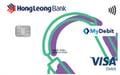
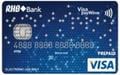
Best Prepaid Debit Cards in Malaysia
What Is a Prepaid Debit Card?
A Prepaid Debit Card is a simple and secure payment card that you can use for shopping online and in stores, just like a regular bank card.
The card is called "prepaid" because you load the money in advance, and this amount becomes your spending limit. This card is not connected to your main bank account. It is separate from a credit card, which allows you to borrow money up to a limit, and different from a regular debit card, which deducts money directly from your current or savings account.
Comparing Prepaid Cards, Debit Cards and Credit Cards
It is helpful to know the key differences between the three main types of payment cards. One of the distinct features is where the money comes from.
A Prepaid Card uses your own money that you loaded onto the card in advance. You can only spend what you load, so there is no risk of debt. Using this card does not affect your credit score.
A Regular Debit Card uses your own money directly from your current or savings bank account. This means there is no debt, but you must have money in your bank account to use the card. Like a prepaid card, it does not build or harm your credit score.
A Credit Card is different because it uses money borrowed from the bank up to an approved limit. This creates a high risk of debt because you must repay the borrowed money plus interest. Proper use of a credit card can build your credit score, but late payments can harm it.
In summary, a Prepaid Card is separate and uses the funds that you have loaded. A Debit Card is linked to your main bank account, while a Credit Card is a short-term loan that creates debt.
How Do Prepaid Debit Cards Work?
Prepaid debit cards offer a clear and simple way to manage your payments:
- Getting the Card: You can apply for a prepaid card from major Malaysian banks such as RHB and Maybank or specialist financial service companies like BigPay and Wise. For convenience, some cards can be ordered online. You will typically need to show a form of identification to verify your account.
- Loading the Card: You add money to your prepaid card using methods like a bank transfer (IBG), FPX, or sometimes a cash deposit at a bank branch or ATM. The amount you load is the maximum you can spend.
- Spending the Money: You can use your prepaid card wherever the card network (such as Visa or Mastercard) is accepted. Each time you make a purchase, the money is immediately deducted from the balance on the card. When your balance reaches zero, the card cannot be used until you reload it.
Benefits and Features of a Prepaid Debit Card
Prepaid cards are great tools for financial control, security, and travel.
Enhanced Financial Control
The pre-loaded balance sets a limit on your spending, which makes budgeting much easier. Since you are using your own money that you loaded earlier, you can never spend more than you have or go into debt. You do not need a credit check or a minimum income requirement to open a prepaid card.
Security and Protection
The biggest security benefit is that the card is not linked to your main savings or current account. If the card details are lost or stolen, any fraudster can only access the limited funds you have loaded onto that specific card. The cards use security standards like Chip and PIN technology. Some card providers send SMS alerts for transactions to help you spot any unauthorised spending quickly.
Travel and Convenience
Prepaid cards that carry the Visa or Mastercard logos are accepted for shopping and payments worldwide. Certain prepaid cards allow you to hold and exchange money in multiple foreign currencies. Using multi-currency cards can help you lock in exchange rates before you travel and potentially avoid high foreign transaction fees. You can typically withdraw cash from ATMs in Malaysia and overseas.
Understanding Prepaid Card Fees
While prepaid cards offer flexibility, you should be aware of a few common fees. These charges vary between card providers, so always check the Product Disclosure Sheet (PDS) carefully.
- A Card Order Fee is a one-time fee some providers charge to issue the physical card when you first apply.
- An Annual Fee is a yearly fee some cards charge to keep the card active.
- There might be a small Top-Up Fee when you add money to your card, depending on the method and card provider.
- If you use an ATM outside of the card issuer's network, there is often an ATM Withdrawal Fee for cash withdrawals, both locally and internationally.
- When you spend money in a different currency, most cards will charge a Foreign Exchange Fee, which is often a percentage of the transaction amount, for the conversion.
- If you do not use your card for a long period (for example, 12 months without any transactions), some providers may charge an Inactivity or Dormancy Fee.
Best Prepaid Debit Card Options in Malaysia
The right prepaid card depends on your primary use, whether it is for travel, local spending, or online security.
For the International Traveller
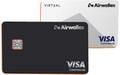
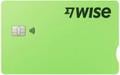
- Wise Card: This is an excellent choice if you often travel or shop internationally. The Wise Card lets you hold money in over 40 currencies. It converts your money at the mid-market exchange rate, which is the real-time value of a currency representing the midpoint between the buying and selling prices on the global market. This is usually more favourable than a regular bank's rate.
- BigPay Card: This card is linked to the BigPay e-wallet and is a secure option for carrying travel money. The BigPay Card is known for its relatively low foreign transaction fee. It comes with extra features like budgeting tools and local payment options.
For Everyday Local Control
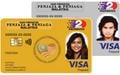
- Cards from Banks: There are a few Malaysian banks that offer prepaid cards for local use, such as the RHB Prepaid Card. You can easily reload at the bank's branches or ATMs. They may also offer rewards for local spending.
- E-Wallet Linked Cards: These cards such as the TNG Visa Prepaid Card, let you use your e-wallet balance for offline shopping or online transactions wherever Visa is accepted.
Disclaimer: Card features, fees, and availability can change. Always check the latest terms and conditions with the card issuer before applying.
Frequently Asked Questions (FAQs) About Prepaid Debit Cards
Who can apply for a prepaid card?
Eligibility for a prepaid card is generally easier than for credit cards. Malaysian Citizens and Residents usually need to be 18 years or older, but some cards may be available for individuals aged 12 and above. Prepaid cards are a simple solution for Foreigners and Non-Citizens since they typically do not require a credit check or a minimum income. Foreign applicants usually only need a valid passport and sometimes an approved permit or visa.
Can I build my credit score with a prepaid card?
No, you cannot build a credit score by using a prepaid card. Building a credit score requires borrowing money and paying it back reliably. Because a prepaid card uses your own loaded money, it does not involve any credit or debt, so it does not affect your score.
Do the funds on a prepaid card expire?
The money you load onto the card does not expire. However, the physical card itself will have an expiry date, usually listed on the front. When the card expires, the funds can generally be transferred to a new replacement card issued by the provider. You should contact the card issuer well before the "Valid Thru" date printed on your card to arrange a renewal.
How fast is the process when I top up the card?
Topping up a prepaid card is usually very fast, especially when done through a mobile app or online banking. The money will often be reflected in your card balance instantly after you complete the transaction using methods like DuitNow or a local bank transfer. You can also top up using a local debit card linked to your card app.
How are prepaid card fees different from credit card fees?
Prepaid cards do not have the major fees associated with credit cards. There is no interest charge because you are not borrowing money. There are also no late payment fees because there are no repayments to be made. The fees for prepaid cards are fixed charges for services, such as a one-time card issuance fee, an annual fee, or fees for withdrawing cash from out-of-network ATMs.
Is there a daily limit on how much I can spend or withdraw?
Yes, most prepaid cards have daily limits set for security. This limit controls the total amount you can spend in stores, online, or withdraw from an ATM. The default limit is set by the card provider, but you often have the option to increase or decrease this limit by contacting the bank or through their mobile banking app.
Can I check my account balance easily?
Yes, keeping track of your balance is simple because you must manage the loaded amount. Most prepaid card providers allow you to check your balance instantly through a dedicated mobile app, online banking portal, or by requesting an e-statement.
Is a prepaid card covered by PIDM?
The protection provided by Perbadanan Insurans Deposit Malaysia (PIDM) applies to deposits held in member institutions, primarily banks. For prepaid cards, the money is often held by the issuer (which may or may not be a PIDM member bank), so you should always check the Product Disclosure Sheet to understand exactly how your funds are protected. If the funds are held in a separate e-money account, they are subject to the regulations of Bank Negara Malaysia (BNM).