















Best Debit Cards in Malaysia 2026: FX Savings, Security, and Travel Utility
What Is a Debit Card?
A debit card is an essential financial tool in Malaysia, giving you direct access to the money in your Savings, Current, or Investment account. Unlike a credit card, a debit card helps you manage your budget because you can only spend the money you already have, meaning no debt, no interest, and no late fees.
Virtually all major Malaysian banks issue these cards, which work across three key networks: MyDebit, Visa, and Mastercard.
How Does Your Debit Card Work?
A debit card transaction involves the direct and immediate deduction of funds from your linked bank account, typically within a day or two. This direct deduction mechanism is key to maintaining financial discipline.
Payment Networks: Cards are typically co-branded to ensure maximum acceptance.
- MyDebit (Domestic): Malaysia’s domestic scheme, essential for local transactions at over 300,000 merchants nationwide.
- Visa and Mastercard (International): The global powerhouses that enable online shopping and overseas purchases wherever the network logo is displayed.
Dual Functionality: Your single plastic card serves both as a payment method for retail and online purchases and as your ATM card for cash withdrawals and deposits.
No Debt or Interest: Since you are spending your own money, there is no risk of accruing interest, late payment fees, or debt.
How to Pay with Your Malaysian Debit Card
Malaysian debit cards offer multiple convenient and secure payment methods to suit different transaction needs. Understanding each method helps you choose the most appropriate option for your purchases.
Chip and PIN Transactions
This is the most secure and widely accepted payment method in Malaysia. When you make a purchase at any Point-of-Sale (POS) terminal, you insert your card into the reader and enter your mandatory 6-digit Personal Identification Number (PIN).
The chip technology embedded in your card creates a unique transaction code each time, making it extremely difficult for fraudsters to duplicate your card information. This method is required for all high-value transactions and provides the strongest security for in-person payments.
Contactless Payments (Tap-and-Go)
Most modern Malaysian debit cards are equipped with contactless technology, branded as PayWave (Visa) or PayPass (Mastercard). This feature allows you to simply tap your card on a compatible terminal for quick, seamless payments. The convenience varies by transaction amount:
- For purchases up to RM250, you can complete the transaction with just a tap, no PIN entry required, making checkout incredibly fast.
- For purchases exceeding RM250, you'll need to insert your card and enter your PIN for added security verification.
This method is perfect for everyday purchases like meals, groceries, or transportation, offering speed without compromising security.
Card-Not-Present (CNP) Transactions
When shopping online or making phone orders, your card details are processed without the physical card being present. To protect against unauthorised use, Malaysian banks have implemented enhanced security measures for these transactions.
You'll typically need to verify your identity through a One-Time Password (OTP) sent via SMS to your registered mobile number, or approve the transaction through your bank's mobile app. This two-factor authentication ensures that only you can authorise online purchases, even if someone obtains your card details.
Managing Your Card Limits and Security Controls
Malaysian banks provide cardholders with robust tools to control spending and protect their accounts, in compliance with Bank Negara Malaysia (BNM) regulations. Taking an active role in managing these features is essential for maintaining financial security.
Daily Spending Limits
Your debit card comes with a default daily purchase limit, typically set at RM3,000. This limit applies to the total amount you can spend on purchases (both in-store and online) within a 24-hour period. However, this isn't a fixed restriction; you have the flexibility to adjust this limit based on your needs.
Most banks allow you to increase it up to a maximum threshold, which varies by institution (commonly RM20,000 to RM50,000). You can modify these limits through your bank's ATM, online banking portal, or mobile app, giving you control over your spending capacity.
Daily ATM Withdrawal Limits
Separate from your purchase limit, your card has a dedicated daily cash withdrawal limit, usually defaulted to RM5,000. This controls how much cash you can withdraw from ATMs in a single day.
Like spending limits, this is adjustable according to your requirements, though banks set maximum thresholds for security purposes. Managing this limit helps prevent substantial unauthorised cash withdrawals if your card is compromised.
Real-Time Transaction Alerts
All Malaysian banks provide instant notifications for every transaction made with your debit card. These alerts are delivered via SMS or push notifications through your mobile banking app.
This real-time monitoring is your first line of defence against fraud; you'll immediately know if any unauthorised activity occurs on your account, allowing you to take swift action. These alerts typically include the transaction amount, merchant name, and remaining balance.
Card Locking and Control Features
Modern mobile banking apps offer an emergency card control feature that puts you in complete command of your card's status. If you've misplaced your card or suspect it may be compromised, you can instantly freeze (lock) it through the app. This immediately prevents any new transactions from being processed.
Once you locate your card or resolve the security concern, you can unfreeze it just as quickly. This temporary measure gives you peace of mind without the need to cancel your card permanently, saving you the hassle of waiting for a replacement.
Virtual Card Security Layer
Modern digital banks like Wise, Ryt Bank, and AEON Bank offer a crucial security upgrade: a separate virtual card number from the physical card. This means you can use the virtual number exclusively for online shopping, and if it's compromised in a merchant data breach, your physical card and main bank account remain secure.
Many providers allow you to instantly regenerate or delete this virtual number without affecting the physical card, providing maximum fraud defence.
Best Debit Card in Malaysia 2026
Selecting the best card depends entirely on your spending habits.
Quick Comparison Table
| Card Name | Best For | Foreign Transaction Fee | Key Advantage |
| Maybank Visa/Mastercard Debit | Largest Local ATM and Regional Access | ~2.0% Markup | Free ATM withdrawals across 5 ASEAN countries (regional convenience). |
| CIMB Debit Mastercard | Local Transport Rewards | ~2.0% Markup | Targeted cashback on tolls/transit; Free e-Wallet top-ups. |
| RHB Premier Multi Currency | Locking Foreign Exchange Rates | Zero fee when spending pre-loaded currency | Convert and hold up to 33 currencies to hedge against rate fluctuations. |
| HSBC Everyday Global | Zero-Fee Spending in 11 Currencies | Zero fee when spending pre-loaded currency | Free overseas HSBC ATM withdrawals; No fee on 11 major currencies. |
| Wise Card | Best International Exchange Rates | Mid-Market Rate + Small Fee (from 0.35%) | Real-time exchange rate for 40+ currencies; Global low-cost spending. |
Before diving into specific cards, consider your spending patterns
- For Frequent Travellers: Choose a multi-currency card (RHB, HSBC, Wise) to eliminate the standard 2% foreign transaction fee charged by traditional banks.
- For Local Value Seekers: Choose a card that offers cashback or rewards on your usual spending (e.g., CIMB for transit and tolls).
- For Basic Banking Needs: Choose a card with no annual fees (most major banks offer this) from a bank with many local ATMs for convenient access.
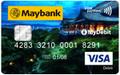
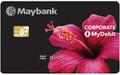
1. Maybank Visa Debit Card: Best Domestic ATM Network and Regional Access.

Your go-to card for the largest domestic ATM network and fee-free cash withdrawals across key ASEAN countries.
- Extensive Free ATM Access: Offers free in-network ATM cash withdrawals at Maybank ATMs in Malaysia, Singapore, Brunei, the Philippines, and Cambodia.
- High Limit Customisation: Flexibility to set daily purchase limits up to RM20,000 via online banking (Maybank2u).
- Digital Integration: Easy tracking of all retail and online transactions via the Maybank2u and MAE apps.
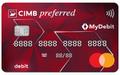
2. CIMB Debit Mastercard: Focus on Local Transport Rewards and Free e-Wallet Top-ups.

Gives targeted cashback, often on tolls and transit, and lets you add money to your e-wallets for free.
- Targeted Cashback: Known for specific, high-percentage cashback promotions on tolls and transit-related expenses (check latest campaign details).
- Free e-Wallet Top-ups: Supports top-up of popular e-wallets (e.g., Touch 'n Go eWallet, GrabPay) with no extra charge.
- Accessible to Minors: Available to customers as young as 12 years old (with necessary guardian documents).
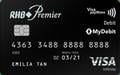
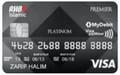
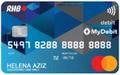
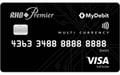
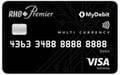
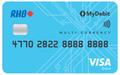
3. RHB Premier Multi Currency Visa Debit Card: Best Card to Lock Foreign Exchange Rates

Allows you to spend easily across 33 different money types (currencies), letting you lock in the exchange rate before your trip to avoid surprises.
- Broad Currency Support: Linked to an account that allows converting and holding up to 33 foreign currencies in one card.
- Zero Conversion Fee Rule: No currency conversion fee is charged when spending in a foreign currency you already hold in your multi-currency account.
- Lock-in Rates: Allows users to convert MYR to foreign currencies in advance to hedge against rate fluctuations.
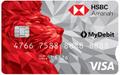
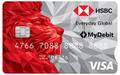
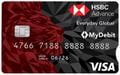
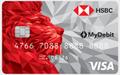
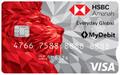
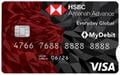
4. HSBC Everyday Global VISA Debit Card: No-Fee Spending in Many Major Currencies
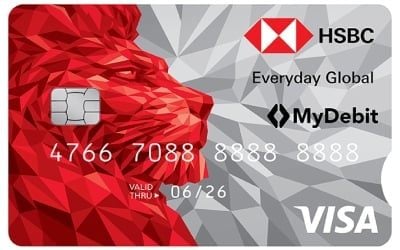
Offers free transactions and ATM cash withdrawals when you spend any of its 11 supported currencies, supported by a strong global bank.
- Zero-Fee Spending: Zero conversion fees for retail purchases and ATM withdrawals when spending one of the 11 supported currencies where a sufficient balance is held.
- Free Account Maintenance: No annual debit card fee and no monthly account fee for the standard Everyday Global Account.
- Global ATM Network Benefit: Zero withdrawal fees when using the card at overseas HSBC ATMs.
- Global Transfers: Free and instant global transfers between your own worldwide HSBC accounts.
5. Wise Card (Non-Bank Issuer): Best International Exchange Rate

Gives you the real, clear exchange rate (the rate you see on Google) for the lowest overall cost when you spend and send money in over 40 currencies.
What is Wise? Wise is a licensed e-money institution (not a traditional bank) that specialises in international money transfers and multi-currency accounts. It's regulated by financial authorities and holds your money in safeguarded accounts.
- Mid-Market Exchange Rate: Uses the real exchange rate (the mid-market rate) for all currency conversions, with only a small, transparent conversion fee.
- Broadest Currency Range: Supports holding and spending over 40 currencies globally.
- Zero Ongoing Fees: No annual fee, no monthly fee, and no minimum balance requirement.
- Free ATM Withdrawals: Offers two free ATM withdrawals monthly up to a cumulative limit of RM1,000.
Using Your Debit Card Overseas: Activation and Fees
For global convenience, most Malaysian debit cards are accepted worldwide via Visa or Mastercard networks. However, two critical steps are mandatory for international use:
1. Activation is Required
Due to BNM security regulations, you must actively opt in to enable overseas usage, including both retail purchases and ATM withdrawals.
- You can typically activate this feature through your bank’s online portal, mobile app, or at any local ATM.
- Set specific start and end dates for your travel period to maintain security when you're not abroad.
- Some banks require you to activate overseas usage at least 24 hours before departure.
2. Key International Fees
While convenient, spending abroad often incurs fees that can add up quickly.
Foreign Transaction Fee: Most traditional Malaysian bank cards charge a foreign exchange conversion markup of around 2% of the transaction value for spending in a foreign currency. This is typically split between a network fee and the bank's administrative fee.
Overseas ATM Withdrawal Fee: Expect a fixed fee of approximately RM10 to RM12 per withdrawal, charged by your issuing bank, plus any fees charged by the overseas ATM operator.
The Best Strategy: Avoid Dynamic Currency Conversion (DCC)
Critical Money-Saving Tip: When paying overseas, merchants or ATMs may offer to charge you in Ringgit Malaysia (MYR) instead of the local currency; this is called Dynamic Currency Conversion (DCC). Always decline this offer and choose to pay in the local currency.
Why? DCC uses unfavourable exchange rates set by the merchant or ATM operator, often 3-5% worse than the rate offered by your card network. By paying in the local currency, you get a better exchange rate from Visa or Mastercard.
Example: At a shop in Singapore, if asked "Charge in MYR or SGD?" always select SGD for better rates.
Real-Life Scenario: What a Week-Long Singapore Trip Actually Costs
Understanding the fee differences between cards becomes clearer when you see actual travel expenses:
Using a standard Malaysian debit card (with 2% foreign transaction fee):
- Spending: RM2,100 over 7 days
- Foreign transaction fees (2%): RM42
- ATM withdrawals (3 times at RM12 each): RM36
- Total fees: RM78
Using HSBC Everyday Global with pre-loaded SGD:
- Spending: RM2,100 over 7 days
- Foreign transaction fees: RM0
- HSBC ATM withdrawals: RM0
- Total fees: RM0
The savings: RM78 on a single week-long trip to Singapore, money that could go toward an extra meal at a hawker centre, a museum visit, or shopping instead.
Debit Card Fees and Costs at a Glance
A significant advantage of debit cards over credit cards is their generally low fee structure. Here's what you can expect to pay:
| Fee Type | Cost | When It Applies |
| Annual Fee | Free to RM18 | Most standard debit cards linked to basic accounts have no annual fee. Premium accounts may charge RM8 to RM18 annually. |
| In-Network ATM Withdrawal | Free | When you withdraw cash from your own bank's ATM network. |
| Out-of-Network ATM Withdrawal | RM1.00 per transaction | When you use another bank's ATM through the MEPS network. |
| MyDebit Cash Out | RM0.50 | When you withdraw cash at a merchant's Point-of-Sale (POS) terminal during a purchase. |
| Card Replacement | RM8 to RM18 | When you need a new card due to loss, theft, or damage. |
| Foreign Transaction Fee | ~2% of transaction | Charged by traditional banks when spending abroad in foreign currencies. |
| Overseas ATM Withdrawal | RM10 to RM12 | Charged by your bank per withdrawal, plus potential fees from the foreign ATM operator. |
How to Apply for a Debit Card
Most debit cards are issued automatically when you open a savings or current account with a Malaysian bank. You can apply directly at a bank branch, through the bank's website or mobile app, or use RinggitPlus to compare and apply for the best debit card that matches your needs with eligibility pre-checking.
Basic Requirements
For Malaysian Citizens:
- MyKad (Identity Card)
- Minimum age: 18 years old (some banks offer junior accounts from age 12 with parental consent)
- Initial deposit amount (varies by bank, typically RM20-RM250)
- Proof of address (utility bill or bank statement) for some banks
For Non-Citizens/Foreigners:
- Valid passport with an employment visa or a student visa
- Work permit or student ID
- Proof of Malaysian address
- Initial deposit amount
- Some banks may require a reference letter from your employer or university
Application Process
Direct to Bank:
- Visit a bank branch or apply online through the bank's website/mobile app
- Complete the account opening form and provide the required documents
- Make your initial deposit (amount varies by bank)
- Receive your debit card - typically issued immediately at the branch, or mailed within 7-14 working days for online applications
- Activate your card by setting your 6-digit PIN at an ATM or through the mobile app
The Easier Way (Through RinggitPlus):
Applying for your preferred debit card through RinggitPlus is designed to be a straightforward process. Once you have chosen the card that best suits your financial needs, you can complete the necessary steps online.
Processing Time
- In-branch applications: Card issued immediately (instant issuance) or within 3-5 working days
- Online applications: 7-14 working days for card delivery by mail
- PIN setup and activation can be done immediately once you receive the card
Should you have any questions regarding your debit card application, reach out to us at [email protected].
Frequently Asked Questions (FAQs)
1. What is the difference between MyDebit and Visa/Mastercard on my card?
MyDebit is the domestic scheme used for local, in-store payments across Malaysia. Visa or Mastercard are the international networks used for online purchases and transactions outside Malaysia. Your card typically has both logos, allowing it to work everywhere.
2. Is the debit card PIN 4 or 6 digits in Malaysia?
In Malaysia, the PIN for both ATM and debit card retail transactions is 6 digits.
3. Do I need to activate my card for overseas use?
Yes. For security, you must activate the overseas usage feature via your bank's online banking, mobile app, or ATM before you travel, setting a start and end date for your trip. This is a Bank Negara Malaysia requirement to protect your account.
4. How can I avoid high international transaction fees?
Multi-currency debit cards eliminate the standard 2% foreign transaction fee charged by traditional Malaysian bank cards. These cards let you pre-load foreign currencies at your preferred exchange rate and spend them directly abroad with zero conversion fees.
The three main options are:
- RHB Premier Multi Currency (supports 33 currencies)
- HSBC Everyday Global (supports 11 currencies)
- Wise (supports 40+ currencies)
You convert Ringgit to your destination currency before travelling, then spend that pre-loaded currency without additional fees. Standard Malaysian debit cards charge approximately 2% on every foreign purchase on a RM5,000 overseas trip; you'd pay RM100 in foreign transaction fees with a regular card versus RM0 with a pre-loaded multi-currency card.
5. Is there an annual fee for my debit card?
Most standard debit cards from major Malaysian banks have no annual fee. If a fee is charged, it is typically minimal (RM8 to RM18) and usually applies to premium cards with enhanced features.
6. Is a PIN required for online purchases?
No. Online purchases usually require a One-Time Password (OTP) or approval via your mobile banking app for security (known as 3D Secure or Secure Code). The 6-digit PIN is for physical transactions only.
7. Can I use my debit card for contactless payment without a PIN?
Yes. For transactions up to the default limit of RM250, you generally only need to tap the card, and no PIN is required. For amounts above RM250, you'll need to insert your card and enter your PIN.
8. What should I do if my card is lost or stolen?
Immediately call your bank's 24-hour customer service hotline to block the card. Most banks also allow you to freeze your card instantly through their mobile banking app. Prompt reporting ensures you are not liable for any unauthorised transactions. After blocking, file a police report if the card was stolen, and request a replacement card from your bank.
9. Can I get a debit card for my child?
Yes. Many banks offer junior debit cards for minors (usually from age 12) that are linked to a parent or guardian's account. These cards typically come with spending controls that parents can monitor and adjust, making them a good tool for teaching children about money management.
10. Are debit card transactions protected against fraud?
Yes. Malaysian banks follow Bank Negara Malaysia guidelines that protect cardholders from unauthorised transactions if reported promptly. However, you must take reasonable care of your card and PIN. If you report fraudulent transactions immediately, you typically won't be liable for losses. Delayed reporting may result in limited liability depending on your bank's policy.