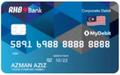
Business Debit Cards: The Smart Way to Manage Company Spending
What is a Business Debit Card and How Does It Differ from a Personal Card?
Tired of chasing receipts or worrying about where the money went? For any Malaysian business from a solo freelancer to a growing Sdn Bhd, getting crystal-clear oversight of your spending is non-negotiable. Business debit cards solve this by connecting directly to your company account.
The key difference? You are using cash-in-hand, not borrowed money, instantly eliminating interest, debt, and complicated monthly bills. It’s custom-built for the demands of running a business in Malaysia, featuring:
- The ability to issue cards to employees and set custom daily or monthly spending caps.
- Real-time reporting on all transactions, simplifying budgeting.
- Automated data export for seamless integration with your accounting system.
This keeps your business accounts professional while giving you complete control over every ringgit spent.
How Do Malaysian Business Debit Cards Connect To Your Business Bank Account?
Business debit cards are simple to use. They create a seamless bridge between your Malaysian business bank account and your daily operational spending. Unlike a personal debit card, which links to your own savings account, business debit cards are exclusively designed to handle official company transactions, whether you are running a sole proprietorship, partnership, or Sdn Bhd.
This direct connection means every purchase you make is immediately reflected in your business account, giving you real-time visibility of your company's available funds.
When you tap your business debit card at a supplier in Shah Alam, your Malaysian bank immediately receives a balance check request.
Your bank confirms you have sufficient funds, then deducts the exact amount in ringgit from your business account.
Within seconds, the transaction appears in your banking app with the date, merchant name, amount, and reference number. This automatic record-keeping eliminates manual receipt tracking and provides exactly what LHDN requires for tax audits.
The big difference from credit cards is simple: You spend your own company money immediately. You are not borrowing from the bank. This means no interest charges, no debt problems, and you know exactly how much money you have.
Why Are Business Debit Cards Important for SMEs in Malaysia?
Business debit cards solve three problems Malaysian SME owners face every month: proving business expenses to LHDN (Inland Revenue Board of Malaysia) at tax time, stopping employees from overspending, and keeping personal and company money separate.
Three ways they help:
Business Debit Cards Help You Control Company Money
Business debit cards enforce financial discipline by creating a clear line between personal and company spending. Every business purchase, from Grab rides to office supplies, goes through one card, automatically separating your finances for professional credibility and LHDN compliance.
In real-time, every transaction is automatically recorded in your bank's system, allowing you to monitor spending trends, catch wrong charges quickly, and make smarter budget choices.
Many Malaysian business debit card providers allow you to issue additional cards to employees. You can easily set strict spending limits, such as a RM500 daily cap, and even control what types of things they can buy, protecting your business from overspending while keeping operations efficient. This complete oversight is essential for any growing Malaysian SME.
Save Your Time and Prevent Debt
Business debit cards are useful tools for improving efficiency and ensuring financial stability by eliminating interest risk. Modern business debit cards integrate seamlessly with Malaysian accounting software like AutoCount, SQL Account, Financio, and Bukku Accounting.
Your transaction data goes directly into your system, eliminating manual data entry, which saves 5 to 10 hours of bookkeeping every month and prevents human errors.
When tax season comes, all your business expenses are already documented, categorised, and consolidated. This organised, digital record-keeping system makes tax filing less stressful and helps ensure compliance with LHDN requirements if your records are ever audited.
Security Features and Rewards with Malaysian Business Debit Cards
Business debit cards come equipped with features that protect your funds and reward your routine spending. Malaysian banks offer high-level security, including robust fraud protection, instant transaction alerts, and the ability to instantly freeze a lost or stolen card via your mobile app, whether you are in Kuala Lumpur or overseas.
Many cards also offer virtual card numbers for secure online shopping. Some business debit cards in Malaysia offer cashback on regular business purchases like advertising, fuel, or office supplies. These rewards effectively turn your routine, necessary expenses into automatic savings, giving you a continuous stream of funds back into your account without the debt risk associated with rewards credit cards.
How to Choose the Best Malaysia Business Debit Card for Your Company in 2026
The best business debit card for a solo freelancer in Penang isn't the same as the best card for a Kuala Lumpur trading company with five employees. Match your choice to how you actually use money.
These are what every Malaysian business owner should look for when comparing cards from banks like Maybank, CIMB, Alliance Bank, and digital banks like GXBank:
Essential Financial Criteria and Cost
Focus on the direct costs and fundamental spending parameters of the card to ensure financial efficiency.
-
Monthly and Transaction Fees
Look carefully at all fees. This includes the nominal annual card fee (often RM8 to RM15), transaction charges, and ATM withdrawal fees. In the MEPS network, most banks charge around RM1 if you use another bank's ATM after your first few free monthly withdrawals. Digital banks, like GXBank, often waive monthly or annual fees entirely, making them cost-effective options for startups and freelancers.
-
Spending Limits
Ensure the card's daily and monthly purchase limits match your operational needs. Some basic business cards might cap daily spending low, such as RM3,000. Many premium corporate accounts allow limits up to RM20,000 or more. Match the limit to your typical transaction volume.
-
International Payment Support
If your business deals with overseas clients or uses foreign websites (e.g., buying Facebook ads in US Dollar currency), you must choose a card with low or zero foreign transaction fees. Standard Malaysian debit cards often charge a high conversion fee, ranging from 2% to 3% on top of the exchange rate. Consider multi-currency cards from banks like RHB or specialised digital wallets that eliminate this costly markup.
Operational Efficiency and Control Features
These parts determine how easily the card fits into your daily workflow, especially if you manage employees or use accounting software.
-
Employee Card Options and Limits
If you have staff who need to make business purchases, look for cards that allow multiple users. The best providers let you issue cards with separate, customised daily or monthly spending limits (such as up to RM5,000). This feature gives you tight control over all employee expenses and simplifies expense reporting.
-
Accounting Software Connection
Choose a card that connects easily with the accounting software commonly used by Malaysian SMEs, such as Xero, QuickBooks, or AutoCount. This direct API connection saves hours of manual data entry, prevents errors, and ensures accurate transaction records for LHDN compliance.
-
Digital Features
Modern business debit cards feature a user-friendly mobile app that provides instant transaction alerts and quick card freezing. Look for robust, dedicated online banking platforms like Maybank2u Biz or CIMB BizChannel that offer management tools and simple expense reporting features, which simplify money management.
Risk Management and Added Value
This section covers the security and reward aspects that minimise risk and maximise savings.
-
Cashback and Rewards
Choose a card that gives rewards in categories relevant to your major local expenses, such as fuel, utilities, or office supplies. These rewards turn routine spending into savings without the debt risk of a credit card.
-
Customer Support Quality
When a payment fails, urgent help is needed. Look for providers with dedicated business support hotlines or 24/7 in-app chat support tailored for the Malaysian market. Read reviews from other local business users to understand the actual quality and speed of problem resolution.
Malaysian Business Debit Cards Comparison
| Card Name | Annual Fee (RM) | Benefit | Daily Purchase Limit (Default/Max) |
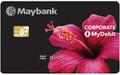
| Maybank SME Visa Platinum Debit Card | RM0 (Often waived for life) | Designed exclusively for Sole Proprietors; High default daily limit; Visa Platinum privileges. | RM3,000 / Up to RM20,000 |
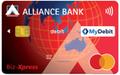
| Alliance Biz-Xpress Card (BXC) | RM8 | Allows application for unlimited cards for employees; Each card can link up to 6 accounts. | Up to RM30,000 |
| OCBC Business Debit Card | Waived | Linked to the OCBC eBiz Account; Allows customisation of daily limits at the branch. | RM5,000 for each limit |
| RHB Corporate MyDebit Card | RM12 | Good for general business transactions; Part of a major bank network. | RM3,000 |
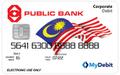
| Public Bank Corporate MyDebit Card | RM8 | Low annual fee; Standard MyDebit card for local use. | Customisable |
What are the Eligibility Requirements for a Business Debit Card in Malaysia?
Understanding these three main requirements before you apply for business debit cards will save you time and prevent application rejection by Malaysian banks.
1. Applicant and Business Status
These are the fundamental requirements related to who you are and the legal status of your enterprise with the SSM (Suruhanjaya Syarikat Malaysia).
- Age: You must be at least 18 years old (or 21 for some premium corporate accounts).
- Citizenship: You must be a Malaysian Citizen or Permanent Resident (with a valid MyKad).
- Foreigners: Non-residents may be accepted by some banks if they hold valid documentation like a Work Permit or Employment Pass.
- Registered Business:Your business must be registered with the SSM.
- Sole Proprietors: Apply using your personal ID and the business registration number.
- Sdn Bhd/Partnerships: Need to provide full official business registration documents.
2. Financial and Account Requirements
These rules govern the banking relationship and the money tied to the card.
- Business Bank Account: Applicants will need to have an existing business bank account with the bank you are applying to. The card cannot be linked to your personal savings account.
- Minimum Balance: A deposit and maintaining a minimum monthly balance are needed to avoid fees and qualify for features:
- Basic Accounts: Typically require RM1,000 to RM5,000.
- Premium Accounts: Can require RM10,000 or more.
- Business Activity Proof: Some banks may request proof of consistent operations over 3 to 6 months such as invoices or revenue statements to confirm stability, especially for accounts with higher transaction limits.
3. Banking History Check
Banks review your past financial behavior to ensure you are a reliable customer.
- Review: Banks review your history for red flags like frequent overdrafts or returned checks.
- Risk: Poor banking history could lead to the rejection of your application.
How to Apply for a Business Debit Card in Malaysia (Step-by-Step Guide)
The application process is simple, but the required documents, and timeline vary depending on your chosen bank and your business structure. A simple guide to help you:
Where You Can Apply Your Business Debit Cards
- Online Application: Most modern banks let you apply through their website or mobile app from anywhere, anytime. This is the fastest option, typically taking 15 to 30 minutes if you have all required documents ready in digital format.
- Branch Application: Visit any branch and apply in person with help from bank staff. This option is good if you have questions or prefer face-to-face interaction.
- Phone Banking: Some banks let you start applications by calling their business banking customer service. A staff member will guide you through the process over the phone.
What Documents Do I Need for a Business Debit Card Application in Malaysia?
To make your application smoother and faster, you will need to prepare a few documents that the bank will ask for in your business debit card application. The required documents needed depend on your business structure:
For Sole Proprietors:
- MyKad or a valid ID card
- Business registration certificate (SSM registration)
- Proof of business address (utility bill, rental agreement, or official letter from the last three months)
- Recent bank statements showing business transactions (usually the last three to six months)
For Partnerships:
- MyKad or ID cards of all partners
- Partnership registration certificate (SSM registration)
- Partnership agreement
- Proof of business address
- Business bank statements or financial records
For Sdn Bhd and Private Limited Companies:
- MyKad or ID cards of directors
- Certificate of incorporation (Form 9 and Form 49)
- Memorandum and Articles of Association (Form 48A)
- Form 24 and Form 44
- Board resolution authorising the account opening
- Proof of business address
- Recent company financial statements
Additional Documents (may be required):
- Business licenses or permits
- Tax identification number
- Proof of business income (invoices or receipts)
- Utility bills for business premises
- Company stamp
How Long Does It Take to Get a Business Debit Card in Malaysia?
Step 1: Preparation (1 to 2 hours)
Gather all required documents and make sure they are complete, valid, and current. Missing or outdated documents are the most common cause of delays.
Step 2: Application Submission (15 to 30 minutes for online; 30 to 60 minutes for bank branch)
Complete the application form with all the information needed. Double-check everything before uploading or submitting all required documents.
Step 3: Initial Review From Bank (1 to 3 business days)
The bank reviews your application and documents. They may contact you to request additional information.
Step 4: Background Checks and Approval (3 to 7 business days for standard accounts; 7-14 business days for premium accounts)
The bank checks your business registration and banking history. Existing customers usually get faster approval. New customers may need additional time.
Step 5: Account Opening and Card Production (1 to 3 business days after approval)
Once approved, your business bank account is opened and your debit card is made. Some digital banks issue virtual cards immediately, while physical cards are being made and mailed.
Step 6: Card Delivery (3 to 7 business days for mail; immediate for branch collection)
You'll receive your physical card by registered mail at your business address, or you can collect it at the branch.
Step 7: Card Activation (5 to 10 minutes)
Once received, you'll need to activate your card through the bank's mobile app, online banking, phone banking, or ATM. Follow the activation instructions provided with your card.
Total Timeline
Expect 7 to 21 business days from application to having a fully working business debit card. Digital-only banks may complete the process in 3 to 5 business days for simple applications.
Tips for a Smooth Application
- Prepare Documents in Advance: Don't start your application until you have every required document ready. Digital applications need clear, readable scans or photos of all documents.
- Make Sure Information Matches: All documents should show the same business name, address, and owner details. Differences will cause delays.
- Choose the Right Account Type: Understand the different business account types and select one that matches your transaction volume and balance. Starting with a basic account and upgrading later is often easier.
- Have the Opening Deposit Ready: Have the required initial deposit ready before applying. Most business accounts require an opening deposit ranging from RM1,000 to RM10,000.
- Respond Quickly to Bank Requests: If the bank contacts you for additional information, respond immediately. Delays can extend processing time.
- Ask About Processing Times: When submitting your application, ask how long approval and card delivery typically take.
- Keep Copies of Everything: Keep copies of your completed application and all submitted documents for your records.
Frequently Asked Questions (FAQs) About Business Debit Cards in Malaysia
What is the difference between a business and a personal debit card?
A business debit card connects to a business bank account and is designed for company expenses. A personal debit card connects to your individual savings account. Business cards let you issue additional cards to employees with spending controls you can manage. They provide detailed expense reports organised by category, vendor, and date.
Business cards sync automatically with accounting software like AutoCount, SQL Account, Financio, and Bukku Accounting. They have higher daily and monthly spending limits compared to personal cards. Most importantly, business cards keep personal and company finances separate, which protects you legally and simplifies your taxes.
If you're currently mixing personal and business expenses, you should open a business bank account immediately. You should apply for a business debit card even if you're a sole proprietor. Stop using your personal card for business purchases to avoid tax complications later.
Can a sole proprietor get a business debit card in Malaysia?
Yes, sole proprietors can definitely get business debit cards. Banks treat sole proprietors as legitimate businesses for banking purposes. But you need to prepare a few documents such as:
- MyKad or other valid identification card
- Business registration certificate from Suruhanjaya Syarikat Malaysia (SSM)
- Proof of business activity such as invoices, bank statements, or receipts from the last three to six months
- Proof of business address like a utility bill or rental agreement
- Minimum opening deposit ranges from RM1,000 to RM5,000.
Register your business with SSM if you haven't already done so. You can complete this online at the SSM website. Gather 3 to 6 months of business transaction records to prove your business activity. Compare different banks that offer sole proprietor accounts. Check their monthly fees and minimum balance requirements. Apply online or visit a branch with all your documents ready in hand. Expect 7 to 14 days for approval and card delivery to your address.
You'll have a simpler tax filing because your finances are separated. You'll look more professional when paying suppliers and clients. You'll have better record-keeping without doing manual tracking. You'll find it easier to prove business expenses if you're ever audited.
How many employee cards can I issue and what spending limits can I set?
The ability to issue cards to your team is an important feature for gaining financial control over a growing business in Malaysia. The number of employee cards you can issue varies significantly across the local banking landscape.
MajorMalaysian banks like Maybank or CIMB typically limit basic business accounts to 2 to 5 employee cards. For instance, the Maybank Corporate Debit Card allows a maximum of 5 cards per registration. Certain premium or corporate accounts can permit 10 to 50 or more.
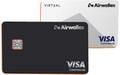
In contrast, many of the newer digital banks and fintech providers such as Alliance Bank and Airwallex that are operating in the Malaysian market offer the advantage of unlimited employee cards, making them excellent choices for rapidly growing Sdn Bhd companies.
Regardless of the provider, you retain precise control over staff spending in Ringgit Malaysia (RM): you can set strict daily or monthly budgets such as RM5,000 monthly budget, restrict purchases by specific merchant categories (like blocking non-business-related spending), and even control transaction types, such as explicitly blocking all ATM cash withdrawals for greater security.
In terms of cost, while traditional banks might charge a nominal annual fee of around RM8 to RM15 per additional card, digital accounts frequently include these employee cards free of charge.
Are Malaysian business debit cards accepted for car rentals and hotels globally?
Business debit cards with Visa or Mastercard logos are accepted at almost all merchants worldwide. They work at the same places that accept personal debit cards.
Many car rental companies require credit cards for security deposits. You should check the rental company's policy before arriving. Some hotels place holds on credit cards only for check-in deposits. You should call ahead to confirm their payment policy. Large equipment purchases may require credit cards for buyer protection programs. Some international merchants, in rare cases, only accept cards issued in their local country.
If you're renting a car, call the rental company ahead of time and ask if they accept business debit cards. Bring a credit card as backup, just in case. If you're staying at a hotel, contact the hotel directly before your trip to confirm they accept debit cards for check-in deposits.
If you're making international purchases, check what foreign transaction fees your bank charges. These fees typically range from one percent to three percent of each purchase. Before you travel abroad, notify your bank of your travel dates and destination countries to prevent your business debit card from being blocked for suspicious activity.
What happens if I don't have enough money in my business account?
If your business account balance is too low to cover a transaction, the purchase will be declined immediately at the point of sale. Unlike credit cards, business debit cards cannot process transactions that exceed your available balance.
Some banks such as Maybank, Alliance Bank, CIMB Bank, Hong Leong Bank and Bank Simpanan Nasional (BSN) offer overdraft protection that allows transactions to go through even when you have insufficient funds. This service comes with large overdraft fees ranging from RM10 to RM50 per transaction that goes through. These fees add up very quickly if you make multiple purchases without enough balance.
Check your account balance every morning before starting your business day. Set up low balance alerts on your mobile banking app. Have the bank notify you when your balance drops below RM5,000 or another amount you choose.
Keep a buffer amount in your account. For example, if you need RM10,000 for operations, maintain at least RM12,000 to RM15,000. Transfer money from your savings to your business account before large planned expenses like supplier payments.
If you're considering overdraft protection, calculate whether the high fees are worth it. It's usually better to simply maintain a higher balance. Review your weekly cash flow to predict when you'll need to add more money to your business account. Consider setting up automatic transfers from your personal account to cover planned recurring business expenses.
What should I do if my business debit card is lost or stolen?
If your business debit card is lost or stolen, act immediately to prevent unauthorised use and protect your funds. First, use your mobile banking app to instantly freeze the card. This stops all future transactions. Next, call your bank’s customer service immediately to report the card as lost or stolen and request a replacement. Most banks offer 24/7 support for card issues.
Review your recent transactions on the app carefully. Report any unauthorised charges to your bank at once; timely reporting is critical for receiving fraud protection. If you suspect account compromise, immediately change your online banking password and PIN.
To prevent future loss, store your card securely and save your bank's emergency number in your phone. Make it a habit to review your business transactions daily.
Can I withdraw cash from Malaysian ATMs with a business debit card?
Yes, you can use your business debit card for cash withdrawals at ATMs across the MEPS network in Malaysia, just like a personal debit card. To be safe, be aware of the daily limits and fees set by major local banks.
Daily withdrawal limits are tailored for business needs but can range widely. For instance, CIMB Bank typically allows up to RM10,000 per day, while Maybank’s SME Visa Platinum Debit Card has a flexible limit that can be increased up to RM20,000 for purchases and up to RM10,000 for ATM withdrawals per day. You can request to increase your limit temporarily by calling your bank or adjusting it via the ATM or online portal like Maybank2u Biz.
Are there monthly fees for business debit cards in Malaysia?
Monthly fees for business debit cards in Malaysia depend on the bank and the account type you choose. Digital banks and certain fintech accounts like GXBank often offer free business accounts with absolutely no monthly fees, making them highly attractive for startups and sole proprietors.
Conversely, traditional banks like Maybank, CIMB, and Hong Leong Bank typically charge monthly fees ranging from RM10 to RM100 or more, depending on the account features and services included. These fees are often waived if you maintain a minimum monthly balance.
For example, a basic business current account might require you to maintain a minimum average monthly balance of between RM3,000 and RM5,000 throughout the entire month to avoid a service fee.
Premium or corporate accounts, designed for higher transaction volumes, require a balance of RM10,000 to RM20,000 or more. Calculate the total annual cost, including potential service charges, before committing to an account. Always compare the fee structure and minimum balance requirements of at least 3 to 5 different Malaysian banks to ensure you can realistically maintain the required balance and minimise your operational costs.
What should I do if my cashback or rewards don't appear?
If your expected cashback or rewards do not appear in your business account, follow these three steps. First, self-check the eligibility. Review your card's terms and conditions to confirm the purchase was not on the exclusion list and that you met all required minimum spending or balance rules.
Second, verify the payout timing. Rewards are rarely instant. Check the typical reward schedule (monthly or quarterly) in your card's terms. Wait three to five business days after the billing cycle closes for processing.
Third, contact the bank. If the rewards remain absent after the waiting period, call customer service immediately. Be ready to provide the exact transaction date, merchant name, and amount. Obtain and keep a record of the case reference number; most banks resolve verified disputes within 7 to 14 working days.
Can I use my business debit card for international purchases?
Yes, business debit cards with Visa or Mastercard logos work internationally at millions of merchants and ATMs worldwide. But you need to be aware of foreign transaction fees, which typically range from one percent to three percent of each purchase amount.
Some banks also charge currency conversion fees on top of the foreign transaction fee. International ATM withdrawals often have additional fees of RM10 to RM15 per withdrawal plus the foreign transaction percentage.
Before you travel abroad for business, inform your bank of your exact travel dates and destination countries. This prevents your card from being blocked when the bank sees transactions from foreign locations.
Most banks let you set travel notifications through their mobile app or by calling customer service. Consider choosing a business debit card that offers low or zero foreign transaction fees if you regularly work with international suppliers or travel frequently for business trips. Some premium business accounts waive foreign transaction fees as a benefit.
When using your card internationally, always choose to pay in the local currency rather than your home currency when given the option at checkout. Paying in local currency usually gives you better exchange rates.
Keep all international transaction receipts for your records and expense reports. Monitor your account daily while travelling to catch any unauthorised charges immediately. Make sure you know your bank's international customer service number before you leave, in case you need to report issues.
Key Takeaways:
- Business debit cards connect directly to your company account in Malaysia, letting you spend only what you have with zero interest charges
- Major Malaysian banks like Maybank, CIMB, and Hong Leong offer business cards with monthly fees from RM0 (GXBank) to RM20, often waived with minimum balances of RM3,000-RM15,000
- Issue employee cards with custom spending limits from RM500 to RM5,000 daily, protecting your business from overspending
- Integration with Malaysian accounting software like AutoCount and SQL Account saves 5-10 hours of bookkeeping monthly
- Daily ATM withdrawal limits range from RM3,000 (basic accounts) to RM20,000 (premium accounts like Maybank SME Visa Platinum)
- Foreign transaction fees range from 1% (Maybank) to 2.5% (Public Bank), with some premium accounts waiving these fees entirely