




Your Complete Guide to Islamic Debit Cards in Malaysia
Malaysian Muslims looking for banking solutions that align with Islamic principles have more options than ever. Islamic debit cards offer Shariah-compliant alternatives to conventional banking, with over 30 cards available from major Islamic banks, like Bank Islam, CIMB Islamic, Maybank Islamic, and RHB Islamic.
Unlike conventional debit cards that may involve interest-based transactions, Islamic debit cards operate on profit-sharing principles and avoid riba (usury). Annual fees range from genuinely free options (Bank Rakyat, CIMB Octo/Preferred, HSBC Basic/Premier, Hong Leong Basic) to RM15 for CIMB's standard card, with most cards charging RM8-RM12 annually.
What Makes a Debit Card "Islamic"?
Islamic debit cards differ from conventional cards in how the underlying account operates. The card itself connects to a current or savings account that follows Shariah principles, avoiding interest-based transactions entirely.
Most Islamic debit cards in Malaysia use one of two Shariah concepts for the linked account. Wadiah accounts work like safekeeping arrangements where the bank guarantees your deposit and may share profits with you, but you're not entitled to fixed returns. Mudarabah accounts operate on profit-sharing principles where returns depend on the bank's investment performance.
When you use an Islamic debit card for purchases, you're spending your own money from these Shariah-compliant accounts. There's no borrowing involved and no interest charged, making it fundamentally different from credit cards. Foreign currency transactions use Shariah-compliant currency exchange rather than interest-based forex calculations.
Understanding Annual Fees and Account Requirements
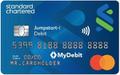
Islamic debit card annual fees range from completely free to RM15, depending on your chosen bank and card tier. Several genuinely free options exist with no conditions: CIMB Preferred Debit Mastercard-i, HSBC Amanah Visa Debit Card-i, and Standard Chartered JumpStart Debit Card-i all charge no annual fees.
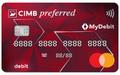
CIMB Islamic operates a three-tier structure. The standard CIMB Islamic Debit Mastercard charges RM15 annually (RM15 issuance plus RM15 annual renewal), making it the highest-priced basic Islamic debit card in Malaysia. However, the CIMB Octo Debit Card-i waives all fees entirely when you maintain at least RM500 in monthly credits to your account. The premium CIMB Preferred Debit Mastercard-i also charges no annual fee but requires a relationship balance of RM200,000 or more across your CIMB accounts - in exchange, it waives foreign transaction fees entirely.
RHB Islamic cards typically cost RM8-RM12 annually. The standard RHB Visa Debit Card-i charges RM12 with 0.5% cashback on overseas spending, while a budget variant costs RM8 without cashback. The RHB Platinum Debit Card-i costs RM50 annually, but waives this fee in year one and in subsequent years if you spend RM5,000 annually or make 5 transactions - it offers 1% cashback on all overseas retail purchases.
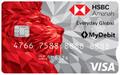
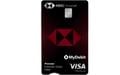
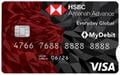
HSBC Amanah structures fees by account type. Basic Savings and Current accounts include free debit cards with no annual fees. Statement Savings and Advance accounts charge RM8 annually for card issuance and renewal. Premier accounts waive all debit card fees but require RM200,000 in deposits and investments. The multi-currency Everyday Global Account charges no annual fee regardless of balance.
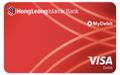
Hong Leong Islamic Bank offers free cards for Basic Savings and Current accounts, Priority Banking customers, and UCSI co-branded cardholders. Generic and Junior cards cost RM8 annually for both issuance and renewal.
KFH charges RM12 annually for principal cards and RM10 for supplementary cards. Card replacement costs RM15 for the primary cardholder and RM10 for supplementary cardholders.
Account balance requirements vary. Basic cards have no minimum balance, while premium tiers may require RM10,000-RM200,000 in combined deposits. Falling below minimum balances can trigger monthly account service charges even if the card itself is free.
ATM Withdrawal Fees: What You'll Actually Pay
ATM fees depend on which bank's machine you use and the type of card you hold. Most Islamic debit cards offer free withdrawals at their own bank's ATM network, but charge RM1 per withdrawal at other Malaysian banks' MEPS network ATMs.
All CIMB Islamic cards (Standard, Octo, and Preferred) charge RM1 for MEPS network withdrawals at other banks, despite other fee differences between tiers. Bank Islam, Bank Rakyat, RHB Islamic, Hong Leong Islamic, and KFH cards also charge RM1 for out-of-network domestic withdrawals.
HSBC Amanah's fee structure varies by account tier. Basic accounts allow 8 free ATM transactions monthly, then charge RM1 after. Statement Savings accounts offer 4 free transactions for balances above RM5,000, otherwise RM1 per withdrawal after the quota. Advance accounts provide 2 free MEPS withdrawals monthly, then RM1. Premier accounts include 3 free MEPS transactions, then RM1 for additional withdrawals.
RHB Platinum Debit Card-i waives MEPS ATM fees entirely at all domestic machines. Standard RHB cards offer free withdrawals at RHB ATMs, then charge RM1 at other banks' MEPS network.
International ATM withdrawals cost substantially more. KFH charges RM12 per withdrawal at Visa Plus network ATMs overseas. Hong Leong Islamic charges either RM12 or 2% of the withdrawal amount, whichever is higher, with fixed equivalent amounts in foreign currencies (USD3, EUR3, GBP2.50, SGD4, AUD4.50, etc.). HSBC charges RM5 per overseas HSBC ATM withdrawal for Advance and Basic accounts, while Premier customers get free overseas HSBC ATM access.
MyDebit Cash Out transactions cost RM0.50 per transaction at most banks, a fee introduced in July 2022 for point-of-sale cashback withdrawals.
MEPS network withdrawals at your own bank remain free across all Islamic debit cards.
Foreign Transaction Fees When Spending Overseas
Foreign transaction fees on Islamic debit cards range from 0% to 2%, depending on your bank and card tier. These fees cover Shariah-compliant currency conversion when you shop overseas or with foreign online merchants.
CIMB Preferred Debit Mastercard-i waives foreign transaction fees entirely, making it the best option for frequent overseas spending. Standard CIMB and Octo cards charge approximately 1% administration fee plus Mastercard's network conversion fees, totalling around 2%.
RHB Islamic maintains exactly 1% foreign transaction fees across all card variants - Standard, Easy, Platinum, Ocean Harmoni, and Premier Multi Currency. This consistent rate makes budgeting straightforward. The Standard RHB card offers 0.5% cashback on overseas transactions, while the Platinum card provides 1% cashback on all retail purchases, effectively reducing your net foreign transaction cost.
HSBC Amanah charges 1% foreign currency conversion fees across most account tiers (Premier, Advance, Basic, Statement Savings). The Everyday Global Account works differently: if you maintain sufficient foreign currency balances in one of the 11 supported currencies (USD, GBP, EUR, SGD, AUD, HKD, CAD, NZD, JPY, SAR, CNY), transactions in that currency incur no conversion fees. Transactions using your MYR balance still attract the 1% fee.
Hong Leong Islamic charges 2% total for foreign transactions, calculated as 1% from the card network (Visa/Mastercard) plus 1% bank markup. This applies whether you use Visa or Mastercard variants.
KFH charges up to 1% administration fee, though the exact calculation is inclusive of Visa International's conversion rate rather than added separately.
Bank Rakyat uses a unique "earmark" system. When you make an overseas purchase, 1.25% of the transaction is temporarily held (not charged) as a security against currency fluctuations. The actual transaction amount is debited within 3 working days once the merchant settles. This is not a permanent fee - it's a temporary hold that releases once the final amount is determined. This protects both you and the bank from volatile exchange rate movements.
Currency conversion follows Shariah principles using spot rates determined by Visa or Mastercard on the processing date, without interest-based calculations. The bank's fee represents the cost of providing currency conversion services, keeping transactions halal.
Major Islamic Banks and Their Debit Card Offerings
Bank Islam Debit Cards
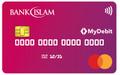
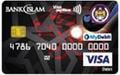
Bank Islam offers the widest range of Islamic debit cards in Malaysia, with over 10 different options. The standard Mastercard Debit Card-i charges a RM12 annual fee with free ATM withdrawals at Bank Islam ATMs and RM1 elsewhere in Malaysia.
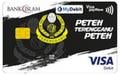
The Team Harimau co-branded card celebrates Malaysian football with unique designs. For sports fans, Bank Islam also offers rugby and hockey co-branded cards, with RM10 to RM12 annual fees.
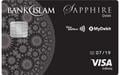
Educational partnerships include the PTPTN Debit Card-i for student loan borrowers (RM10 annual fee) and the Tabung Haji card for pilgrimage savers. The Sapphire variant offers enhanced features, whilst the Terengganu FA card supports local football. Several Bank Islam cards waive annual fees entirely, including the Team Harimau variant.
Bank Islam offers both Visa and Mastercard debit card options. Most Bank Islam cards offer free overseas ATM withdrawals, though foreign transaction fees still apply to purchases.
CIMB Islamic Debit Cards
CIMB Islamic operates a clear three-tier debit card system, with each tier offering different fee structures and benefits to suit various customer needs.
Standard CIMB Islamic Debit Mastercard charges RM15 for both issuance and annual renewal, making it Malaysia's highest-priced basic Islamic debit card. You'll pay RM1 for MEPS network withdrawals at other banks' ATMs, though CIMB ATM withdrawals remain free. Foreign transactions cost approximately 1% administration fee plus Mastercard's network conversion fees (~2% total). Card replacement costs RM10.
CIMB Octo Debit Card-i waives all issuance and annual fees entirely, provided you maintain at least RM500 in monthly credits to your account. This makes it genuinely free for most customers with a regular salary or business income. ATM fees mirror the Standard card: RM1 at MEPS network machines, free at CIMB ATMs. Foreign transaction fees are the same as Standard (~2% total). Replacement cards cost RM10.
CIMB Preferred Debit Mastercard-i also charges no annual fees but requires a substantial relationship balance of RM200,000 or more across your CIMB accounts. The significant benefit: foreign transaction fees are waived entirely, making it ideal for frequent overseas spenders or international online shoppers. ATM fees remain RM1 at the MEPS network, free at CIMB. Replacement costs RM10.
All three tiers use the Mastercard network, accepted at millions of merchants worldwide. The choice between them depends on your account balance, monthly income credits, and overseas spending frequency. For basic banking with minimal fees, Octo offers the best value. For international transactions, Preferred's zero foreign transaction fees justify the high balance requirement if you already maintain large deposits with CIMB.
RHB Islamic Debit Cards
RHB Islamic offers six distinct debit card variants, each with specific fee structures and benefits. All RHB cards charge exactly 1% for foreign currency conversion (not a range).
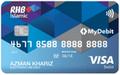
Standard RHB Visa Debit Card-i charges RM12 annually and offers 0.5% cashback on overseas transactions. ATM withdrawals are free at RHB branches, RM1 at MEPS network machines, and RM12 overseas. Foreign transactions cost exactly 1%, but the 0.5% cashback reduces your effective cost to 0.5%. This makes it competitive for budget travellers.
Budget RHB Variant costs just RM8 annually without the cashback feature. ATM fees match the standard card: free at RHB, RM1 at MEPS, RM12 overseas. Foreign transactions are exactly 1%. This suits customers who rarely spend overseas and want minimal fees.
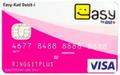
RHB Easy Debit Card-i charges RM12 annually with the same fee structure as the standard card: free at RHB ATMs, RM1 at MEPS, and 1% of foreign transactions. The key difference lies in account features rather than card fees.
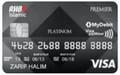
RHB Islamic Platinum Debit Card costs RM50 annually, but waives this fee entirely in the first year. For subsequent years, the fee is waived if you spend RM5,000 in retail purchases annually OR make at least 5 card transactions per year - easy conditions for regular users. It offers 1% cashback on ALL retail transactions (not just overseas), making it the most rewarding Islamic debit card in Malaysia. ATM fees are waived at all domestic MEPS network machines (not just RHB), while overseas withdrawals cost RM12. Foreign transactions cost 1%, but the 1% cashback effectively makes overseas spending free of net fees.
RHB Ocean Harmoni Debit Card-i charges RM15 for issuance plus RM12 annually. It features marine conservation themes with part of your fee supporting ocean sustainability projects under RHB's ESG initiatives. ATM and foreign transaction fees match standard RHB cards: free at RHB, RM1 at MEPS, and 1% overseas.
RHB Premier Multi Currency Debit Card-i costs RM20 annually and supports 30+ foreign currencies. This allows you to hold balances in multiple currencies and spend them abroad without conversion fees when using the matching currency. ATM fees are free at RHB, RM1 at the MEPS network. Foreign transactions in non-held currencies cost 1%.
All RHB Islamic debit cards offer free withdrawals at RHB ATMs and charge RM1 at other banks' MEPS network machines. The 1% foreign transaction fee across all variants makes budgeting straightforward. Choose based on your cashback preferences (0.5% overseas vs 1% all transactions) and annual spending patterns.
HSBC Amanah Debit Cards
HSBC Amanah structures debit cards by account type rather than standalone card tiers. Six account types offer debit cards with varying fee structures.
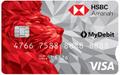
Basic Savings and Current Accounts include completely free debit cards. No issuance fee, no annual fee, and card replacement costs just RM10. ATM withdrawals are free for the first 8 transactions monthly, then RM1 thereafter at the MEPS network. Overseas HSBC ATM withdrawals cost RM5 per transaction. Foreign transactions incur 1% conversion fees plus Visa International charges. This provides excellent value for basic banking with no ongoing costs.
Statement Savings Account charges RM8 for both card issuance and annual renewal. If you maintain an average balance above RM5,000 monthly, ATM withdrawals at your own HSBC machines are free, plus you get 4 free transactions at other banks' MEPS ATMs. Below RM5,000, you'll pay RM1 per withdrawal after the first 4 transactions. Overseas HSBC ATM withdrawals cost RM5. Foreign transactions are 1% plus Visa fees. Replacement cards cost RM10.
Advance Account costs RM8 annually for the debit card, with RM8 issuance. You get 2 free MEPS ATM withdrawals monthly at other banks, then RM1 per transaction. Overseas HSBC ATM withdrawals cost RM5. Foreign transactions are 1% plus Visa charges. Replacement costs RM10. The Advance account itself requires a RM10 monthly account fee unless you meet the balance waiver criteria.
Premier Account waives all debit card fees entirely: free issuance, free annual fee, free replacement (even for lost/stolen cards). You get 3 free MEPS ATM transactions monthly at other banks, then RM1. Overseas HSBC ATM withdrawals are completely waived. Foreign transactions still cost 1% plus Visa fees. However, qualifying for Premier requires maintaining at least RM200,000 across your HSBC deposits and investments, plus the account has a RM150 monthly fee (waived if balance criteria are met).
Premier Junior Savings and Premier Junior Savers accounts include free debit cards for children of Premier customers. All card fees waived (issuance, annual, replacement). ATM and foreign transaction fees mirror adult Premier accounts. These cards help children learn money management with full parental oversight.
Everyday Global Account charges no annual fee and provides multi-currency support for 11 currencies: USD, GBP, EUR, SGD, AUD, HKD, CAD, NZD, JPY, SAR, and CNY. The unique benefit: if you maintain sufficient balance in one of these foreign currencies, transactions in that currency incur no conversion fees. Transactions using your MYR balance cost 1% conversion fee. ATM fees vary by your underlying account tier (Premier/Advance/Basic). Replacement costs RM10 (waived with a police report for lost/stolen). This makes it ideal for frequent travellers or those receiving income in multiple currencies.
All HSBC Amanah debit cards use the Visa network. The tiered structure means you can start with Basic (free) and upgrade to Statement Savings (RM8) or Advance (RM8 + requirements) as your banking needs grow. Premier requires large deposits but provides comprehensive fee waivers for customers who qualify.
Other Islamic Debit Card Providers
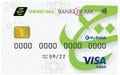
Bank Rakyat offers genuinely free debit cards offering no annual fees with no conditions, making it one of Malaysia's best value Islamic banking options. ATM withdrawals at Bank Rakyat are free, with RM1 charged at other banks' MEPS network machines.
Bank Rakyat uses a temporary "earmark" hold of 1.25% on overseas purchases, instead of a foreign transaction fee, to protect against currency volatility. This amount is held, not charged, and released within 3 working days once the final exchange rate is settled and the actual transaction amount is debited.
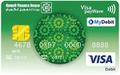
KFH (Kuwait Finance House) charges RM12 annually for principal cards and RM10 for supplementary cards. Card replacement costs RM15 for primary and RM10 for supplementary cardholders. ATM withdrawals cost RM1 at MEPS network machines and RM12 at Visa Plus international ATMs. Foreign transactions incur up to 1% fees (inclusive in Visa International's conversion rate). Sales draft retrieval costs RM20 per request.
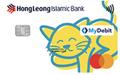
Hong Leong Islamic Bank structures fees by account type. Basic Savings and Current Account-i customers get completely free cards: no issuance fee, no annual fee, though replacement costs RM12. The Generic and Junior Debit Card-i cost RM8 for both issuance and annual renewal, with the Junior replacement at RM18. Priority Banking, UCSI co-branded, and Pay & Save Account-i cards are all free. The UCSI card even waives replacement fees entirely.
Hong Leong ATM withdrawals are free at HLISB machines, RM1 at other domestic banks. MyDebit Cash Out costs RM0.50 per transaction. Overseas withdrawals cost RM12 or 2% of the amount (whichever is higher), with fixed equivalent amounts in 11 currencies: USD3, EUR3, GBP2.50, SGD4, AUD4.50, CAD4, NZD5, HKD25, JPY350, SAR12, THB100. Foreign transactions cost 2% total: 1% from Visa/Mastercard plus 1% bank markup.
Islamic Debit Cards for Children and Teenagers
Several Malaysian Islamic banks offer junior debit cards for children aged 7-17. These cards help young Muslims learn financial responsibility whilst operating within Shariah principles.
Hong Leong Junior Debit Card-i charges RM8 annually for both issuance and renewal. Replacement costs RM18. ATM withdrawals are free at Hong Leong branches, RM1 at other banks' MEPS network machines. Foreign transactions cost 2% (1% network + 1% bank). Parents can set spending limits and monitor transactions through Hong Leong Connect mobile banking.
Standard Chartered JumpStart Debit Card-i takes a different approach with no annual fee for customers under 18. This makes it attractive for parents who want to introduce their children to Islamic banking without ongoing costs.
Parents typically must co-sign the account application for children under 12. Teenagers aged 12-17 can usually apply independently with parental consent, depending on the bank's policies. Spending limits can be set through the bank's mobile app or internet banking, helping parents manage their children's expenses while teaching financial responsibility within Islamic principles.
Visa vs Mastercard: Which Network Should You Choose?
Both Visa and Mastercard networks are widely accepted in Malaysia and overseas, with millions of merchants supporting both. Your choice between networks rarely impacts where you can spend, as most retailers accept both.
Bank Islam and RHB Islamic offer Visa cards primarily, whilst CIMB Islamic focuses on Mastercard. HSBC Amanah provides Visa options. The network doesn't affect the Islamic compliance of your transactions, as the Shariah principles apply to the account and transaction structure, not the payment network.
Foreign transaction fees are similar across both networks, typically 1-2% regardless of whether you use Visa or Mastercard. Both networks use daily exchange rates that the bank then applies its markup to, following Shariah-compliant currency conversion principles.
Some merchants, particularly in smaller markets or specific regions, may prefer one network over the other. In practice, carrying a Visa or Mastercard from a Malaysian Islamic bank rarely causes acceptance issues in major markets.
Multi-Currency Options for Frequent Travellers
Most Islamic debit cards operate in Malaysian Ringgit with foreign currency conversion applied when you spend overseas. A few banks offer multi-currency Islamic accounts that let you hold foreign currencies alongside your Ringgit.
HSBC Amanah Everyday Global accounts support up to 11 currencies, including USD, GBP, EUR, SGD, and AUD. You can hold these currencies in your account and spend them directly without conversion, potentially saving on foreign transaction fees when you travel frequently to the same destinations.
RHB Premier Multi-Currency Visa Debit Card lets you hold over 30 currencies, though the card-i version applies Islamic banking principles to all holdings and transactions. This works well for Malaysians who travel regularly or receive income in foreign currencies.
Currency conversion within these accounts follows Shariah principles using spot rates without interest calculations. The bank earns its fee through the spread between buy and sell rates rather than through interest, keeping conversions halal.
Comparing Islamic Debit Cards: Fee Structure Summary
Free Annual Fee Options
| Card | ATM Fee (MEPS) | Foreign Transaction | Cashback | Notes |
| HSBC Amanah Visa Debit Card-i | RM1 (after 8 free) | 1% | None | Basic Savings/Current accounts |
| Standard Chartered JumpStart Debit Card-i | RM1 | 1% | None | Under 18 years old |
| CIMB Preferred Debit Mastercard-i | RM1 | Waived | None | Requires RM200k relationship balance |
| HSBC Amanah Everyday Global Visa Debit Card-i | Varies by tier | 0% (with currency balance) | None | 11 currencies, all account tiers |
RM8 Annual Fee Options
| Card | ATM Fee (MEPS) | Foreign Transaction | Cashback | Notes |
| BSN Visa Debit Card-i | RM1 | 1% | None | Government bank option |
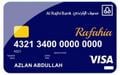
| Al Rajhi Debit Card-i | RM1 | Visa rate | None | Or no fee with an 8 free ATM option |
| Hong Leong Junior Debit Card-i | RM1 | 2% | None | Ages 7-17 |
RM10-12 Annual Fee Options
| Card | Annual Fee | ATM Fee (MEPS) | Foreign Transaction | Cashback | Notes |
| KFH Debit Card-i | RM12 | RM1 | Up to 1% | None | RM10 supplementary |
| Alliance Hybrid Standard Debit Card-i | RM12 | RM1 | ~1-2% | None | Hybrid account |
| RHB Visa Debit Card-i | RM12 | RM1 | 1% | 0.5% overseas | Best for occasional travellers |
| Al Rajhi Rafahia Debit Card-i | RM10 | Free at Al Rajhi Bank | Visa rate | None | Includes Takaful protection |
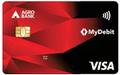
| Agrobank Agro Debit Card-i | RM10 | RM1 | ~1-2% | None | Agricultural focus |
Key Notes:
- FREE options require no annual fees (some have account requirements)
- MEPS = Malaysian Electronic Payment System network
- All cards: FREE at own bank ATMs
- Overseas ATM: RM5-RM12 depending on bank/tier
- Bank Rakyat earmark: Temporary 1.25% hold released within 3 days (not a permanent fee)
- RHB Platinum: FREE year 1, then waived with minimal usage
Best For:
- Zero fees: HSBC Amanah, Standard Chartered
- Overseas spending: CIMB Preferred (0% fees), RHB Platinum (1% cashback offsets 1% fee)
- Regular travellers: HSBC Everyday Global (11 currencies), RHB Multi Currency (30+ currencies)
- Children: Hong Leong Junior (RM8), Alliance Bank Junior (RM8)
- Cashback: RHB Platinum (1% all retail), RHB Standard (0.5% overseas)
Special Features and Co-Branded Benefits
Beyond basic banking, several Islamic debit cards offer unique benefits through partnerships and special features. These cards cost the same as standard versions but provide additional value for specific customer groups.
Bank Islam's sports-themed cards (Team Harimau, Malaysia Hockey Confederation, Malaysia Rugby Union, Terengganu FA) donate a portion of fees to support Malaysian sports development. The cards look identical to standard cards except for the design, but holders support local athletics.
The Bank Islam Visa PTPTN Debit Card-i connects to National Higher Education Fund loan accounts, making it easier for students and graduates to manage education loan repayments alongside regular banking.
Bank Islam's Tabung Haji card integrates with the pilgrimage savings fund, allowing seamless management of hajj savings. This appeals to Muslims planning their pilgrimage who want integrated account management.
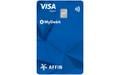
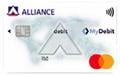
AFFIN Islamic and Alliance Islamic offer hybrid cards that work as both debit and ATM cards, though the functionality is similar to standard debit cards with different branding.
How to Choose the Right Islamic Debit Card
Start by looking at annual fees and fee waivers. If you want the lowest cost option, CIMB Islamic Debit Mastercard-i, Bank Rakyat Debit Card-i, and several Bank Islam variants charge no annual fee with reasonable ATM and transaction costs.
Consider your banking habits. If you travel frequently overseas, multi-currency options from HSBC Amanah or RHB Islamic might save you money on foreign transaction fees despite higher annual costs. For basic local use, a free card from Bank Rakyat or CIMB Islamic covers everyday needs.
Account requirements matter. Premium cards may offer free annual fees but require maintaining RM10,000-RM200,000 in deposits. Calculate whether the fee savings justify tying up that much money versus earning returns elsewhere.
Branch and ATM access affect convenience. Choose a bank with ATMs near your home, workplace, and regular shopping areas to minimise out-of-network withdrawal fees. Bank Islam, CIMB Islamic, and Maybank Islamic have the largest ATM networks.
Special features only matter if you'll use them. Sports fans might appreciate Bank Islam's co-branded cards, whilst parents will find junior cards from Hong Leong or Alliance Islamic useful for children's banking education.
Opening an Islamic Debit Card Account
Most Islamic banks let you apply for debit cards when opening a current or savings account. The process typically takes 30-60 minutes at a branch, or you can start applications online through most banks' websites.
You'll need your MyKad (Malaysian IC) and proof of address, like a recent utility bill or bank statement. Employment information isn't usually required for basic cards, though some banks ask for income details to assess account tier eligibility.
Minimum opening deposits vary by bank and account type. Basic Islamic current accounts typically require RM20-RM100 to open, while some Islamic savings accounts need RM500-RM1,000. Check the specific requirements for your chosen card and linked account.
Your debit card usually arrives within 7-14 days after account opening. Some banks offer instant debit cards printed at the branch when you open your account, though these might have daily spending limits until you activate the full card.
Activation happens through ATM, mobile banking, or internet banking, depending on your bank. Most banks require you to change your PIN at an ATM before using the card for purchases.
Managing Your Islamic Debit Card Through Mobile Banking
All major Islamic banks in Malaysia offer mobile banking apps that let you manage your debit card from your phone. You can check balances, review transactions, set spending limits, and block your card if it's lost or stolen.
CIMB Clicks, Bank Islam App, and RHB Now apps provide real-time transaction notifications. Every time you use your card, you get an instant push notification showing the merchant name and amount spent, helping you spot unauthorised transactions quickly.
Spending limits can be set through most banking apps. You might limit daily ATM withdrawals to RM1,000 or set a RM500 maximum per transaction for added security. These limits help protect your account if someone else gets hold of your card.
Temporary card blocking works through the app if you've misplaced your card but aren't sure it's stolen. Block it temporarily while you search, then unblock it through the app if you find it. Permanent blocking requires calling the bank or visiting a branch.
Transaction history downloads help with budgeting and accounting. Export your debit card transactions to PDF or Excel format for personal finance tracking or business expense reporting.
Security Features and Fraud Protection
Islamic debit cards include standard security features, like EMV chip technology and PIN verification. Every transaction requires either your physical card and PIN or contactless tap for amounts under the limit (typically RM250).
Zero liability policies protect you from unauthorised transactions if your card is stolen, as long as you report the loss promptly. Most banks require reporting within 24 hours for full protection, though some extend this to 48 hours.
SMS transaction alerts help you spot fraud quickly. You'll receive a text message for every transaction above a certain amount (usually RM500-RM1,000), letting you contact the bank immediately if you see unauthorised spending.
Contactless payment limits reduce fraud risk. Your card's tap-to-pay function only works for purchases under RM250, requiring PIN entry for larger amounts. Some banks let you disable contactless payments entirely through mobile banking if you prefer.
Travel notifications aren't always required for Islamic debit cards, but informing your bank of overseas travel prevents them from blocking your card when they see foreign transactions. Most banks let you set travel dates through mobile banking.
Islamic Debit Cards vs Islamic Credit Cards
Islamic debit cards and Islamic credit cards both avoid riba, but they work very differently. Debit cards spend money you already have in your account, while Islamic credit cards provide financing based on Shariah principles, like bai' al-inah (buy and sell back) or tawarruq (commodity murabahah).
With a debit card, you can't overspend beyond your account balance. This eliminates debt risk, but this means you can't make purchases when funds are low. Islamic credit cards provide a credit limit that lets you spend now and pay later, following Shariah-compliant financing structures.
Islamic credit cards often offer rewards programmes, cashback, and additional benefits, like travel insurance or lounge access. Islamic debit cards rarely offer these perks, focusing instead on basic spending and withdrawal functionality.
Annual fees differ significantly. Islamic debit cards cost RM0-RM15 per year, while Islamic credit cards might charge RM100-RM800 annually, depending on the tier. However, credit cards often waive annual fees if you meet minimum spending requirements.
For everyday spending within your means, Islamic debit cards provide simple Shariah-compliant transactions without financing charges. For larger purchases or building credit history, Islamic credit cards offer more flexibility with additional costs.
What to Do If Your Islamic Debit Card Is Lost or Stolen
Call your bank's 24-hour hotline immediately when you discover your card is missing. Every bank provides a dedicated number for card blocking, which operates around the clock for emergencies.
Block your card through mobile banking if you have the app installed. This is faster than calling and works even at 3 am when you might not want to speak to customer service.
File a police report if your card was stolen rather than lost. Banks typically require a police report number before issuing a replacement card when theft is involved, as this helps with fraud investigations.
Check your recent transactions through mobile banking or internet banking before calling the bank. Note any unauthorised charges and report them during the blocking process. Most banks reverse fraudulent transactions within 14 days after investigation.
Replacement cards usually arrive within 7-10 working days, sent to your mailing address on file. Some banks offer express replacement for a fee (typically RM20-RM50), delivering your new card within 3-5 days.
Your new card will have a different number than your old card, so update any recurring payments or online merchant accounts that stored your old card details.
Shariah Principles Behind Islamic Debit Cards
Islamic debit cards comply with Shariah law by avoiding riba (usury), gharar (excessive uncertainty), and maysir (gambling). The underlying accounts operate on either wadiah (safekeeping) or mudarabah (profit-sharing) principles.
Wadiah accounts work like trustee arrangements where the bank safeguards your money and may share profits with you, but you're not entitled to guaranteed returns. This differs from conventional savings accounts, where you receive fixed interest rates.
Mudarabah accounts operate on profit-and-loss sharing. The bank invests your deposits according to Shariah principles and shares the profits with you based on a predetermined ratio, typically 70% for depositors and 30% for the bank.
Currency exchange transactions follow Shariah requirements for immediate exchange at market rates. When you spend in foreign currency, the conversion happens at the spot rate without interest calculations or deferred settlement.
All fees charged by Islamic banks must represent actual services provided rather than interest charges. Annual fees compensate the bank for card maintenance. ATM fees, on the other hand, cover the infrastructure costs of cash distribution.
Shariah boards at each Islamic bank review and approve all card features and fee structures to ensure compliance. These boards include recognised Islamic scholars who specialise in Islamic finance.
Common Questions About Islamic Debit Cards
Can non-Muslims use Islamic debit cards?
Yes, Islamic debit cards are available to anyone regardless of religion. The cards operate on Islamic principles, but Malaysian banks don't restrict Islamic banking products to Muslims only.
Do Islamic debit cards work outside Malaysia?
Islamic debit cards work anywhere that accepts Visa or Mastercard, which includes millions of merchants in over 200 countries. Foreign transaction fees apply when spending overseas, typically 1-2% of the transaction amount.
What happens if I overdraw my Islamic debit account?
Most Islamic current accounts don't allow overdrafts to avoid interest-based overdraft fees. If you attempt a transaction that would overdraw your account, it will be declined. Some banks charge RM25 to RM50 for declined transactions due to insufficient funds.
Can I link my Islamic debit card to e-wallets?
Yes, most Islamic debit cards can be linked to e-wallets like Touch 'n Go eWallet, GrabPay, and Boost for reloads. The Islamic nature of the card doesn't affect e-wallet compatibility.
Are Islamic debit card fees higher than conventional cards?
Islamic debit card fees are similar to conventional cards from the same banks. Annual fees range RM0-RM15 for both types, with similar ATM withdrawal charges and foreign transaction costs.
Do Islamic debit cards offer cashback or rewards?
Most Islamic debit cards don't offer cashback or rewards programmes, focusing instead on basic Shariah-compliant banking functionality. Some co-branded cards provide indirect benefits, like supporting sports teams or charitable causes.
Can I use my Islamic debit card for online shopping?
Yes, Islamic debit cards work for online purchases anywhere that accepts Visa or Mastercard payments. Enter your card number, expiry date, and CVV code just like conventional debit cards.
What's the difference between Islamic debit cards from different banks?
The main differences lie in annual fees, ATM withdrawal charges, foreign transaction fees, and special features like co-branding or multi-currency support. All cards follow Shariah principles but implement them through different account structures.
Making the Most of Your Islamic Debit Card
Use your own bank's ATM network to avoid withdrawal fees. Most cards offer free withdrawals at their own bank's machines but charge RM1 to RM2 elsewhere. Plan cash withdrawals around locations where your bank has ATMs.
Set transaction limits through mobile banking to control spending and reduce fraud risk. Daily limits help you stay within budget while protecting against unauthorised charges if your card is compromised.
Enable transaction notifications through SMS or mobile app push alerts. Real-time notifications let you track spending immediately and catch unauthorised transactions within minutes.
Link your card to online banking and mobile banking for account monitoring. Check your balance before shopping to avoid declined transactions, and review transactions weekly to spot any irregularities.
Keep your emergency contact numbers saved on your phone. Store your bank's 24-hour hotline in your contacts so you can block your card immediately if it's lost or stolen.
Update your contact information with the bank when you move or change phone numbers. Banks send important security alerts and card expiry notifications to your registered contact details.
The Future of Islamic Debit Cards in Malaysia
Islamic banking continues to grow in Malaysia, with Islamic banks introducing new features to compete with conventional banks. Digital-first Islamic debit cards are emerging, with some banks offering instant virtual cards through mobile apps.
Contactless payment limits are increasing, with some banks now allowing contactless transactions up to RM500 for everyday convenience. This brings Islamic debit cards in line with conventional cards while maintaining Shariah compliance.
Digital wallet integration is expanding, with more Islamic debit cards supporting Apple Pay, Google Pay, and Samsung Pay. This lets Muslims use contactless mobile payments and adhere to Islamic banking principles.
Shariah-compliant buy-now-pay-later features may appear on Islamic debit cards, allowing customers to split purchases into instalments following Islamic financing structures. This bridges the gap between debit and credit functionality.
Cross-border Islamic banking partnerships could simplify overseas spending for Malaysian Muslims. Agreements between Islamic banks in different countries might reduce foreign transaction fees and provide better exchange rates for travellers.
Ready to Choose Your Islamic Debit Card?
Malaysian Muslims have excellent options for Shariah-compliant debit cards, with over 30 cards from major Islamic banks. Whether you want a basic no-fee card from CIMB Islamic or Bank Rakyat, a feature-rich option from HSBC Amanah, or a co-branded card supporting Malaysian sports, there's an Islamic debit card that fits your needs.
Compare annual fees, ATM charges, and foreign transaction costs based on your banking habits. If you rarely travel overseas and mainly use ATMs near home, a free card with low domestic charges makes sense. Frequent travellers benefit from multi-currency options despite higher costs.
Remember that the "best" Islamic debit card depends on your specific situation. A student might choose Hong Leong's UCSI co-branded card (completely free) or a basic free option from HSBC or Bank Rakyat. Parents might prefer Hong Leong or HSBC Premier Junior cards for their children, depending on their own banking relationship. Business owners may need debit cards from banks that offer comprehensive Islamic business banking services.
Check the Shariah principles underlying each card to ensure they align with your understanding of Islamic finance. All Malaysian Islamic banks have Shariah advisory boards, but different banks may structure accounts using different Islamic contracts (wadiah vs mudarabah).
Compare features, fees, and benefits across all available cards in Malaysia, right here in RinggitPlus. Need other debit card options? Check out our Prepaid, Cashback, Multi-currency, and Business debit cards.