




















What Is A Cashback Credit Card?
A cashback credit card rewards you with a percentage of your eligible spending, reducing the amount you need to pay on your credit card statement. Instead of earning reward points or air miles, you receive cashback that is credited to your account according to the card's terms and conditions.
Cashback credit cards in Malaysia typically reward everyday spending, such as groceries, petrol, dining, online shopping and utilities. However, not every purchase earns cashback. The amount you receive depends on several factors, including the cashback rate, eligible spending categories, minimum monthly spending requirements and monthly cashback limits.
If used strategically, a cashback credit card can help offset everyday expenses and maximise savings on purchases you already make.
Who Should Get a Cashback Credit Card?
A cashback credit card is ideal for people who want to save on everyday expenses without having to collect or redeem reward points. Instead of earning points or air miles, you receive cashback that is automatically credited to your credit card account when you make eligible purchases.
A cashback credit card may be suitable if you:
- Spend regularly on groceries, petrol, dining, online shopping or utilities.
- Prefer immediate savings over collecting reward points.
- Pay your credit card balance in full each month to avoid finance charges.
- Want a simple rewards programme that doesn't require manual redemption.
If you travel frequently or prefer redeeming points for flights, hotels or lifestyle rewards, a rewards credit card may provide better long-term value instead.
How Cashback Credit Cards Work
Every eligible purchase you make is assessed against your credit card's cashback programme. If the transaction meets the card's requirements, the bank calculates the cashback based on the applicable rate before crediting it to your account, usually in the following statement cycle.
For example:
| Eligible Spending | Cashback Rate | Cashback Earned |
|---|---|---|
| RM250 groceries | 8% | RM20 |
Although the calculation appears straightforward, the actual cashback you receive depends on four key factors:
- Eligible transactions
- Cashback rate
- Minimum monthly spending requirement
- Monthly cashback cap
Understanding how these features work helps you estimate your actual cashback and choose a card that matches your spending habits.
Eligible Transactions and Merchant Category Codes (MCCs)
Cashback is only awarded on eligible transactions. To determine whether a purchase qualifies, banks use Merchant Category Codes (MCCs), which classify merchants according to their primary business activity.
When you make a purchase, the merchant's MCC is sent to the bank together with the transaction details. If the MCC matches an eligible cashback category, cashback is awarded according to the card's terms and conditions.
This means cashback is based on where you spend, rather than the individual items you purchase. For example, buying groceries from a supermarket may qualify for grocery cashback because the merchant is classified as a supermarket. Buying the same groceries from a convenience store may not qualify if the merchant is assigned a different MCC.
Common eligible spending categories
| Spending Category | Typical Eligible Merchants |
|---|---|
| Petrol | Petrol stations |
| Groceries | Supermarkets and hypermarkets |
| Dining | Restaurants, cafés and fast-food outlets |
| Online shopping | E-commerce platforms and online retailers |
| Utilities | Electricity, water, telecommunications and internet providers |
| E-wallets | Selected reloads and payments, where supported |
Most cashback programmes also exclude certain transactions, even if they are charged to your credit card. Common exclusions include:
- Balance transfers
- Cash advances
- Easy Payment Plan (EPP) instalments
- Annual fees, finance charges and late payment charges
- Government payments
- Insurance premiums (depending on the card)
- Charity and donation payments
- Quasi-cash transactions
For example, paying your income tax using a credit card may not earn cashback if government payments are excluded under the cashback programme.
Some Islamic credit cards also exclude merchant categories that do not comply with Shariah principles. These commonly include alcohol retailers, gambling-related merchants and adult entertainment establishments.
Cashback Rate
The cashback rate determines the percentage of eligible spending you receive as cashback. While many cashback credit cards advertise rates of up to 10% or 15%, these rates usually apply only to selected spending categories and are subject to specific conditions.
For example, a card may offer 8% cashback on groceries but only 1% on all other retail spending. Another card may provide the same cashback rate for petrol but only during weekends.
The highest advertised cashback rate does not always provide the greatest savings. A card that rewards the categories where you spend the most is often the better choice.
Minimum Monthly Spending Requirement
Many cashback credit cards require you to meet a minimum monthly spending threshold before the higher cashback rate applies.
For example, a card may state up to 8% cashback, but only if you spend at least RM2,000 during your statement cycle. If you spend RM1,900 instead, you may only receive the base cashback rate.
The minimum spending requirement usually refers to your total eligible spending during the statement cycle, not just spending within the cashback category. This means purchases across groceries, petrol, dining and other retail categories may all contribute towards meeting the threshold, depending on the card's terms and conditions.
Choose a card with a minimum spending requirement that matches your normal monthly expenses. Increasing your spending solely to qualify for higher cashback often reduces the overall value of the rewards.
Monthly Cashback Cap
Most cashback credit cards also limit the maximum cashback you can earn during each statement cycle.
For example, if your purchases qualify for RM60 cashback but the card has a monthly cashback cap of RM30, only RM30 will be credited to your account.
When comparing cashback credit cards, consider the cashback cap together with the cashback rate. A card offering 10% cashback with a RM20 monthly cap may provide less overall value than a card offering 5% cashback with a higher or uncapped monthly limit, depending on your spending.
How to Choose the Right Cashback Credit Card
The best cashback credit card is one that rewards the categories where you spend the most. Rather than focusing on the highest advertised cashback rate, compare the overall cashback programme, including the eligible spending categories, minimum monthly spending requirement and monthly cashback cap.
Before applying, consider the following:
Your Spending Habits
Review your monthly expenses to identify where you spend the most. If most of your budget goes towards groceries and household essentials, choose a card that rewards supermarket spending. If you drive frequently, a petrol cashback card may offer greater savings. Those who shop online regularly may benefit more from a card that rewards e-commerce transactions.
Your cashback card should complement your existing spending habits, not encourage additional spending simply to earn higher rebates.
Minimum Monthly Income
Every cashback credit card has a minimum income requirement set by the issuing bank. Entry-level cards generally require a lower monthly income, while premium cashback cards often have higher eligibility requirements and may offer higher cashback rates or additional benefits.
Choose a card that matches both your income and your spending patterns rather than applying for a premium card solely because it advertises a higher cashback rate.
Minimum Monthly Spending
Many cashback programmes only offer their highest cashback rates after you reach a minimum spending threshold.
For example, if a card requires RM2,500 in monthly spending but you typically spend RM1,500, you may never qualify for the advertised cashback rate. In this situation, a card with a lower minimum spending requirement could deliver greater savings.
Monthly Cashback Cap
A higher cashback rate does not always translate into higher cashback.
For example, earning 10% cashback with a monthly cap of RM20 means you'll stop earning cashback once you reach the limit. If your monthly spending is relatively high, a card with a lower cashback rate but a higher or uncapped monthly limit may provide better overall value.
Annual Fees and Other Charges
Some cashback credit cards waive the annual fee for life, while others require you to meet a minimum annual spending requirement before the fee is waived.
Compare the annual fee alongside the cashback you expect to earn each year. If the annual fee exceeds your expected cashback, another card may offer better value.
Why You May Earn Less Cashback Than Expected
The cashback rate advertised by a credit card doesn't always reflect how much you'll actually receive. The amount of cashback you earn depends on the card's terms and conditions, including eligible spending categories, minimum monthly spending requirements, monthly cashback caps, and how your purchases are classified.
For example, a card offering 10% cashback with a RM30 monthly cashback cap will stop awarding cashback once you reach the maximum amount, even if you continue spending in eligible categories. Likewise, purchases made at merchants that don't fall under the card's eligible merchant category codes (MCCs) may not qualify for cashback.
Before applying, check:
- Eligible spending categories to make sure the card rewards the purchases you make most often.
- Minimum monthly spending requirements to see whether you can qualify for the advertised cashback rate.
- Monthly cashback caps to estimate the maximum cashback you can earn.
- Excluded transactions such as cash advances, balance transfers, government payments or other transactions listed in the card's terms and conditions.
Choosing a cashback credit card that matches your actual spending habits is often more valuable than simply choosing the card with the highest advertised cashback rate.
Types of Cashback Credit Cards
Not all cashback credit cards reward the same types of spending. Some focus on petrol, while others offer higher cashback on groceries, dining or online shopping. Choosing a card that matches your largest monthly expenses usually provides better value than simply selecting the highest advertised cashback rate.
Common types of cashback credit cards include:
| Type | Best For |
|---|---|
| Petrol cashback cards | Drivers who spend regularly on fuel. |
| Grocery cashback cards | Families and households with high supermarket spending. |
| Dining cashback cards | Frequent restaurant, café and food delivery spending. |
| Online shopping cashback cards | Regular purchases on e-commerce platforms and online retailers. |
| Utility cashback cards | Households that pay utility bills with their credit card. |
| General cashback cards | Cardholders who want cashback across a wide range of everyday purchases. |
Once you've identified where you spend the most each month, you can compare cashback credit cards that reward those spending categories.
Best Cashback Credit Cards 2026
The best cashback credit card isn't always the one with the highest advertised cashback rate. While some cards offer up to 10%, 12% or even 15% cashback, these rates often apply only to selected spending categories and may be subject to minimum spending requirements, cashback caps or promotional periods.
The right cashback credit card rewards the purchases you make most often. A card offering 5% cashback with a higher monthly cap may provide greater overall savings than a card advertising 10% cashback with stricter conditions.
To help you compare your options, we've grouped our recommended cashback credit cards by spending category, making it easier to find the card that best matches your spending habits.
Best Petrol Cashback Credit Cards in Malaysia
Petrol cashback credit cards help reduce your fuel costs by rewarding eligible petrol purchases with cashback. Some cards offer higher cashback at specific petrol brands, while others reward fuel purchases across multiple stations or through partner apps.
If you regularly drive to work or travel long distances, compare the cashback rate, participating petrol stations, minimum spending requirement and monthly cashback cap before choosing a card.

|
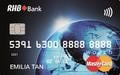
Sarah drives 120km daily for work, plus weekend trips to Ipoh, spending RM900 monthly on Shell petrol. She charges everything to her RHB Shell Visa Credit Card. This includes groceries, online spending, and utilities, hence she can easily hit the RM3,000 minimum. Her petrol spending earns her the RM30 monthly cap, and other categories add another RM30, giving her RM60 total monthly cashback. |

|
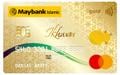
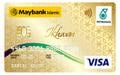
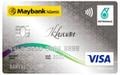
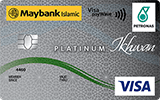
Ali drives to project sites during the week and runs family errands on weekends. He strategically refuels only on Saturdays and Sundays at Petronas, spending RM600 monthly on petrol plus RM200 on Petronas convenience store purchases. The Maybank Islamic Petronas Ikhwan Visa Platinum Card-i gives him 8% weekend cashback with no minimum spend requirement. His RM800 in weekend Petronas spending earns him RM50 monthly (capped), saving RM600 yearly. |

|
Kenneth drives a company car and spends RM2,500 monthly across petrol (RM1,800), Setel app transactions (RM400), and EV charging at Petronas for his wife's car (RM300). The CIMB PETRONAS Visa Platinum-i Credit Card gives him 8% cashback once he hits the RM2,000 minimum spend. His RM2,500 in Petronas-related transactions at 8% would be RM200, but it's capped at RM50 monthly, still RM600 saved per year. |

Best Grocery Cashback Credit Cards in Malaysia
Grocery cashback credit cards reward supermarket spending, helping households save on everyday essentials. Depending on the card, cashback may only apply at selected supermarkets or require a minimum monthly spend to unlock the highest cashback rate.
If groceries make up a significant portion of your monthly budget, choose a card that matches where you usually shop rather than one with the highest advertised cashback.
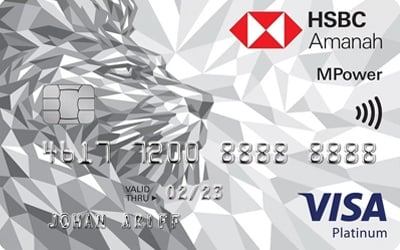
| Top Grocery Cashback Credit Cards Malaysia 2026 | |||
|---|---|---|---|
|
|
|
|
|
| Highest cashback rate | 8% cashback with RM2,000+ monthly spend | 10% cashback with RM1,500+ monthly spend | 10% cashback when RM1,500+ monthly spend |
| Monthly cap | RM15 per category |
RM10
|
RM15 |
| Eligible spending | Grocery + Petrol + E-wallets |
Online transaction, shopping, and grocery (one category) |
Grocery + Petrol + Dining + Grab |
| Eligible cardholder(s) | Principal only | Principal and Supplementary | Principal and Supplementary |

|
Puan Helena spends RM800 monthly on groceries at Giant, RM200 on petrol, and RM1,000 on e-wallet top-ups, totaling RM2,000. The HSBC Amanah MPower Platinum credit card gives her 8% cashback across all three categories once she hits the RM2,000 minimum. Each category caps at RM15, so she earns RM45 monthly (RM15 × 3 categories), saving RM540 yearly. The card only works at Giant, Lotus's, AEON BiG, and Mydin, which suits her since Giant is near her office. |

|
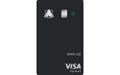
Noah spends RM3,000 monthly on groceries for his weekly Saturday gatherings, plus RM500 on dining out and RM200 on petrol. The AmBank Cash Rebate Visa Platinum Card gives him 10% cashback on groceries with no minimum spend requirement. His RM3,000 grocery spending at 10% would be RM300, but it's capped at RM50 monthly. He also earns cashback on dining (5%, RM25 cap) and petrol (8%, RM20 cap), bringing his total monthly cashback to RM95. |

|
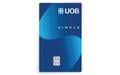
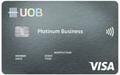
Mrs. Wong and her husband (principal cardholder) spend RM1,600 monthly on groceries across weekly AEON trips. The UOB ONE Card gives them 10% cashback on groceries when they meet the RM1,500 minimum monthly spend. Their RM1,600 grocery spending at 10% gives them RM15 monthly (capped), or RM180 yearly. The card works any day of the week at participating hypermarkets, giving them flexibility on when to shop. |

Best Dining Cashback Credit Cards in Malaysia
Dining cashback credit cards reward spending at restaurants, cafés and selected food delivery services. Some cards also combine dining cashback with groceries or petrol, making them suitable for cardholders who spend across multiple everyday categories.
Compare the eligible merchants, cashback rate and monthly cashback cap to find the card that best matches your dining habits.
|
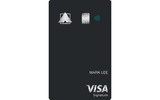
Marlina spends RM600 monthly dining out with family and friends, plus RM400 on groceries, RM300 on petrol, and RM200 on Grab rides, totaling RM1,500. The UOB ONE Card gives her 10% cashback across all four categories once she meets the RM1,500 minimum. Each category caps at RM15, so she earns RM60 monthly (RM15 × 4 categories), saving RM720 yearly. The card works any day of the week, not just weekends. |

|
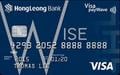
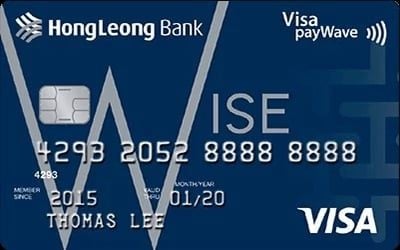
Aziz spends RM1,000 monthly on dining and RM800 on groceries for his weekend cooking sessions, plus RM700 on petrol, totaling RM2,500. The Hong Leong Wise Credit Card gives him 15% cashback once he hits the RM2,500 minimum spend. His combined spending at 15% would be RM375, but it's capped at RM60 monthly. That's RM720 saved per year. The card has an annual fee of RM98, but the cashback more than covers it. |

|
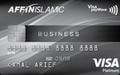
Chong spends RM800 on dining, RM600 on online shopping, RM400 on groceries, RM300 on petrol, and RM200 on utilities, totaling RM2,300 monthly. The Alliance Bank Visa Signature gives him 5% uncapped cashback across all categories. His RM2,300 spending earns him RM115 monthly in cashback, or RM1,380 yearly. The uncapped structure means he never hits a ceiling, making it perfect for his varied spending pattern. |

Best Online Shopping Cashback Credit Cards in Malaysia
Online shopping cashback credit cards reward purchases made through eligible e-commerce platforms and online retailers. Depending on the card, cashback may also apply to selected mobile apps, digital wallets or contactless payments.
If you frequently shop on platforms such as Shopee or Lazada, compare the eligible merchants, spending requirements and cashback cap before applying.
| Top Online Shopping Cashback Credit Cards Malaysia 2026 | |||
|---|---|---|---|
|
|
|
|
|
| Highest cashback rate | 8% cashback with RM5,000+ monthly spend | 10% cashback with RM1,000+ monthly spend | 5% cashback with RM2,000 or less monthly spend |
| Monthly cap | RM30 | RM15 | RM100 |
| Eligible spending |
Shopping online/retail (local or overseas) |
Online spend |
Visa payWave at AEON BiG Stores during AEON BiG Thank You Member Day (28th of every month) |
| Eligible cardholder(s) | Principal and Supplementary | Principal and Supplementary | Principal and Supplementary |
|
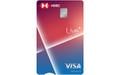
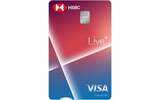
Ben spends RM2,000 monthly on online shopping (Shopee, Lazada) and RM3,500 on overseas retail during work trips, totaling RM5,500. The HSBC Live+ Credit Card gives him 8% cashback on both local and overseas shopping once he hits the RM5,000 minimum spend. His shopping expenses at 8% would be RM440, but it's capped at RM30 monthly. He also earns 8% on dining and entertainment. Total monthly cashback: RM30, or RM360 yearly from shopping alone. |

|
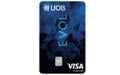
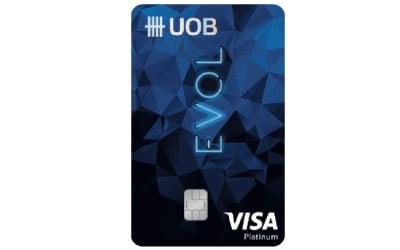
Farah spends RM1,200 monthly on online shopping across Shopee, Lazada, and Grab orders. The UOB EVOL Card gives her 10% cashback on online spending with a RM1,000 minimum monthly spend. Her RM1,200 at 10% would be RM120, but it's capped at RM15 monthly. She also tops up e-wallets (5% cashback, RM15 cap), bringing her total to RM30 monthly or RM360 yearly. The card has no annual fee for the first year. |

|
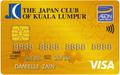
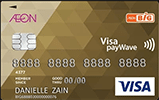
Mery spends RM500 monthly at AEON BiG, around RM300 on weekday lunches, and RM200 on weekend grocery stock-ups—all using Visa payWave. The AEON BiG Visa Gold gives her 5% cashback on contactless payments, but only on the 28th of each month (AEON BiG Thank You Member Day). She strategically does her big monthly shop on the 28th, spending RM800 that day at 5% to earn RM40 monthly, or RM480 yearly. |

Best Utility Cashback Credit Cards in Malaysia
Utility cashback credit cards reward recurring household bill payments such as electricity, water, telecommunications and internet services. Some cards require payments to be made through standing instructions or specific payment channels to qualify for cashback.
If you regularly pay household bills with your credit card, compare the eligible utility providers, cashback rate and monthly cashback cap to maximise your savings.
|
Top Utility Cashback Credit Cards Malaysia 2026 |
|||
|---|---|---|---|
|
|
|
CIMB Cash Rebate Platinum MasterCard |
|
| Highest cashback rate | 5% cashback with RM2,500+ monthly spend | 5% cashback with RM2,001+ monthly spend | 5% cashback with RM3,000+ monthly spend |
| Monthly cap | RM10 per category | Uncapped | RM30 |
| Eligible spending |
Utility + Petrol + Dining + Grocery |
Utility + Online Shopping + Groceries + Dining + Petrol + Other Retail |
Utility Bill Payment via Standing Instruction + Cinema + Petrol + Groceries + Mobile Bill Payment via Standing Instruction |
| Eligible cardholder(s) | Principal and Supplementary | Principal and Supplementary | Principal and Supplementary |
|
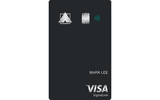
Johari spends RM400 on utilities (TNB, water, Astro), RM800 on groceries, RM600 on petrol, and RM300 on online shopping, totaling RM2,100 monthly. The Alliance Bank Visa Signature gives him 5% uncapped cashback across all categories. His RM2,100 spending earns him RM105 monthly in cashback, or RM1,260 yearly. The uncapped structure means his growing family expenses won't hit a ceiling. He automates his utility payments to never miss the due date. |

|
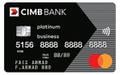
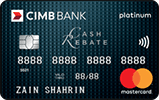
Paul automates RM300 in utilities (TNB, Astro), RM150 mobile bill, RM100 internet, and RM200 in other bills via Standing Instruction, totaling RM750 monthly. The CIMB Cash Rebate Platinum MasterCard gives him 5% cashback on automated bill payments once he hits the RM3,000 total monthly spend. His RM750 utilities at 5% would be RM37.50, but it's capped at RM30 monthly. He charges another RM2,250 on petrol and groceries to meet the minimum. Annual savings: RM360. |

|
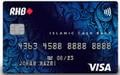
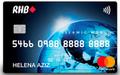
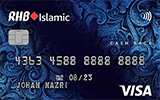
Kamalia and her husband (supplementary cardholder) spend RM250 on utilities, RM600 on petrol, RM800 on groceries, and RM500 on dining, totaling RM2,150 monthly. They need RM2,500 to unlock the 5% tier on the RHB Islamic Cash Back Credit Card-i, so they charge another RM350 on miscellaneous purchases. Each category caps at RM10, giving them RM40 monthly across utilities, petrol, groceries, and dining—RM480 yearly while staying Shariah-compliant. |

Cashback vs. Rewards Points
Cashback credit cards and rewards credit cards both reward your spending, but they provide value in different ways. Cashback credit cards return a percentage of your eligible spending as cash rebates, while rewards credit cards let you earn points that can be redeemed for vouchers, merchandise, air miles or other rewards.
The better option depends on your spending habits and how you prefer to use your rewards.
| Feature | Cashback Credit Cards | Rewards Credit Cards |
|---|---|---|
| Reward | Cashback credited to your statement | Reward points for redemption |
| Value | Fixed and predictable | Varies by redemption option |
| Redemption | Automatic | Redeem for vouchers, air miles, merchandise or statement credits |
| Best For | Everyday spending | Travel and lifestyle rewards |
| Ideal Cardholder | Wants immediate savings | Prefers flexibility and maximising rewards |
If your priority is reducing your monthly credit card bill, a cashback credit card is generally the better choice. The value is straightforward, as you know exactly how much cashback you've earned based on your eligible spending.
A rewards credit card may be more suitable if you travel frequently or prefer redeeming points for flights, hotel stays, shopping vouchers or other lifestyle rewards. While rewards programmes can offer greater value than cashback, they often require you to accumulate points and redeem them strategically to maximise their benefits.
If you're primarily looking to save on everyday expenses such as groceries, petrol, dining or online shopping, a cashback credit card is usually the more practical option. However, if you spend heavily on travel or premium lifestyle purchases, a rewards credit card may provide better long-term value.
How to Maximise Cashback
A cashback credit card only delivers value if you use it according to the card's cashback programme. Missing a minimum spending requirement or overlooking eligible spending categories could reduce the cashback you receive.
Pay Your Credit Card Bill in Full
Paying your statement balance in full each month helps you avoid finance charges, which can easily outweigh the cashback you earn.
For example, earning RM30 cashback has little benefit if you're paying significantly more in interest on an outstanding balance.
Choose a Card That Matches Your Spending
A cashback credit card should reward purchases you already make regularly. Rather than changing your spending habits to earn higher cashback, choose a card that aligns with your existing expenses, whether that's groceries, petrol, dining or online shopping.
Monitor Minimum Spending Requirements
If your cashback programme requires a minimum monthly spend, keep track of your spending throughout the statement cycle.
However, avoid making unnecessary purchases simply to unlock a higher cashback rate. Spending more than you need to reduces the overall value of the cashback earned.
Keep an Eye on Cashback Caps
Many cashback programmes stop awarding cashback once the monthly cap has been reached.
If you regularly reach the limit, consider using another cashback credit card for the remainder of your spending or choosing a card with a higher cashback cap.
Review Eligible Spending Categories
Banks may update eligible merchants, Merchant Category Codes (MCCs) and excluded transactions from time to time.
Review your card's terms and conditions periodically to ensure your regular spending continues to qualify for cashback.
Weekend-Only Cashback Doesn't Match Your Schedule
Cards offering 8% or 10% cashback on weekends sound great until you realise you fill up your tank every Thursday for your upcountry work trips. That's 1% instead of 8%, which is RM75 per year, instead of RM600.
Weekend restrictions work if you already do most of your spending on Saturdays and Sundays. Parents who shop for groceries after Saturday morning futsal, families who dine out on Sunday evenings—these people benefit. For everyone else, it's an artificial hurdle. If you need petrol on Wednesday, you need petrol on Wednesday.
Chasing Tiers Leads to Overspending
At RM2,400 for the month, and the next tier starts at RM2,500? It's tempting to spend RM100 more to unlock higher cashback on everything you've already charged.
This works if you're buying something you need anyway, like prepaying next month's groceries, filling up the tank early, or buying a gift in advance. Jumping from 3% to 5% might give you an extra RM30, so spending RM100 on necessities makes sense.
But buying things you don't need to hit a threshold defeats the purpose of cashback. You're spending money to save money, and the maths doesn't work in your favour.
Frequently Asked Questions (FAQs)
Let's look at the most common questions asked regarding cashback credit cards in Malaysia:
When does weekend cashback actually start and end?
Weekend cashback typically runs from 12:01 AM Saturday to 11:59 PM Sunday. A purchase at 11:45 PM Friday earns weekday rates, but the same purchase at 12:15 AM Saturday earns weekend rates. The exact timing may vary between banks: some use midnight (00:00), others use 00:01, so check your card's terms and conditions.
When will my cashback appear on my statement?
Cashback appears in one statement cycle after you earn it. If you spend RM2,800 in September and earn RM50 cashback, your October statement (generated around 1st October) shows the September spending, and your November statement shows the RM50 credit.
Do note that transactions are counted by posted date, not transaction date. If you swipe on 28th September but the merchant processes it on 2nd October, that purchase counts toward October's cashback.
Why didn't I get cashback this month?
Common reasons include: You didn't meet the minimum monthly spend, you paid late or paid only the minimum amount, your purchases were in excluded categories (EPP, balance transfers, government payments), you shopped at non-participating merchants, the cashback hasn't posted yet (it appears one cycle later), or you already hit the monthly cap earlier in the month.
Check your statement for a breakdown, or call the bank if you're certain you met all requirements.
Can I combine cashback with the Easy Payment Plan (EPP)?
No. EPP transactions don't qualify for cashback on virtually all Malaysian credit cards. An RM5,000 laptop paid in full might earn you RM50 to RM100 cashback, depending on your card. The same laptop converted to 12-month EPP instalments earns RM0, even though you're charging it to your card.
If cashback matters to you, pay in full. If you need EPP for budgeting, accept that you're trading cashback for payment flexibility. Learn more about Easy Payment Plans.
Does spending by supplementary cardholders count toward the minimum spend?
Yes. All spending by supplementary cardholders is aggregated with the principal cardholder for minimum spend thresholds. If you spend RM1,500 and your spouse spends RM1,200, the bank sees RM2,700 total.
However, cashback caps are also shared. If your card caps dining cashback at RM15 monthly and you've both been eating out, that RM15 gets split across all dining spending by all cardholders; once it's hit, neither of you earns more than that month.
What happens if I pay late or pay only the minimum?
Pay late or pay only the minimum, and you forfeit that month's rebate. Worse, you'll pay 15% to 18% per annum in finance charges on the outstanding balance. Most banks require full payment by the due date to qualify for cashback.
If you earned RM50 in cashback but only paid the minimum on a RM2,000 statement, you lose the RM50 and pay about RM30 monthly in interest charges. Cashback cards only make financial sense if you pay in full every month.
Do I earn cashback on government payments or insurance premiums?
Generally, no. Income tax payments (LHDN), road tax (JPJ), immigration fees, and most insurance premiums are excluded from cashback on nearly all cards. Some banks make exceptions for insurance premiums if the insurer is a partner, but don't assume this. Check your card's terms or test with a small payment first.
Can I use multiple cashback cards to maximise savings?
Yes, but it adds complexity. You could use one card for petrol (12% cashback), another for groceries (8% cashback), and a third for everything else (5% uncapped). This strategy can earn you RM100+ monthly if you spend RM3,000 or more.
The trade-off is tracking multiple statements, due dates, and minimum spend requirements. If managing three cards feels like a part-time job, stick with one versatile card.
Are there cards with uncapped cashback?
A few cards offer uncapped cashback, but they typically require higher minimum spending and offer moderate rates. The Alliance Bank Visa Signature gives uncapped 5% cashback if you spend at least RM2,001 monthly.
Cards with no minimum spend usually offer very low rates (0.2% to 1%) or come with restrictions like weekend-only cashback. There's no card offering 10% uncapped with no minimum spend; banks would lose money.
What happens if I return a purchase for which I earned cashback?
The bank deducts the cashback from your next statement. If you bought an RM500 jacket in September (earning RM25 cashback) and returned it in November, your December statement shows a -RM25 adjustment.
If the return drops your monthly spending below the minimum threshold, you could lose cashback on other purchases from that month as well. This is why it's worth waiting until cashback posts before returning high-value items.
How does my Debt Service Ratio affect cashback card applications?
Your DSR determines how much credit banks will approve, which affects which cashback cards you qualify for.
Banks in Malaysia limit your total debt repayments to 60-70% of your monthly income. If you're earning RM5,000 and already paying RM2,000 in car loans and personal loans, you only have RM1,500 to RM1,500 left for credit card repayments in the bank's calculation.
A high DSR might mean you only qualify for lower credit limit cards, which could make it harder to hit minimum spending requirements for premium cashback rates. Calculate your DSR using our Debt Service Ratio calculator before applying.
If your DSR is above 70%, consider:
- Paying down existing loans before applying
- Applying for lower-tier cashback cards first
- Building your credit score with responsible card use
How to Apply for a Cashback Credit Card
Applying for a cashback credit card starts with choosing a card that matches your spending habits and eligibility. Before submitting your application, compare the cashback programme, fees and income requirements to make sure the card fits your financial needs.
Check the Eligibility Requirements
Most cashback credit cards in Malaysia require applicants to:
- Be at least 21 years old.
- Meet the bank's minimum monthly income requirement.
- Provide supporting income documents, such as salary slips, EPF statements or tax documents, depending on your employment status.
Eligibility requirements vary between banks and individual credit card products.
Compare Cashback Credit Cards
Before applying, compare more than just the advertised cashback rate. Consider the following:
- Cashback categories
- Cashback rate
- Minimum monthly spending requirement
- Monthly cashback cap
- Annual fee
- Minimum income requirement
A card with a lower cashback rate may provide better overall value if it matches your regular spending and has fewer restrictions.
Submit Your Application
Once you've selected a cashback credit card, complete your application through RinggitPlus by providing the required personal and income information. The issuing bank will review your application and may request additional documents before making a decision.
Before applying, it's worth checking the latest credit card sign-up offers, as selected cashback credit cards may come with welcome gifts, shopping vouchers or cashback bonuses. If you're still deciding which card best suits your spending habits, you can also use the credit card recommendation service to receive personalised recommendations before submitting your application.