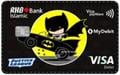
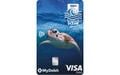
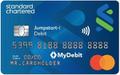



Cashback Debit Cards in Malaysia: How They Work and Which Ones Save You the Most
Most Malaysians spend RM1,500 to RM3,000 monthly on petrol, groceries, and bills using regular debit cards and get nothing back. Cashback debit cards automatically return 0.5% to 20% of your spending directly to your account as cash. Someone spending RM2,500 monthly on everyday purchases saves RM150 to RM600 annually with the right card, money back and not points or vouchers that expire.
How Cashback Debit Cards Work
One of the best features of a cashback debit card is how effortless it is to earn rewards when you make a purchase. The cashback process is automatic, so you earn rewards without tracking points systems.
Regular debit cards from Malaysian banks offer zero rewards. Spend RM100 and RM100 disappears from your account. Cashback debit cards return a percentage of every transaction as cash credited to your account.
Buy petrol at Shell using your CIMB Visa Debit Card. The RM100 transaction is deducted from your account immediately. CIMB's system calculates your 20% cashback (RM20) and credits it within 24 hours for digital banks or monthly for traditional banks.
Nothing to activate. No manual claims. Spend RM200 at Tesco with a 0.5% flat-rate card, and RM1 appears in your account. No apps to check, no points to convert, no expiry dates.
The percentage depends on the card's rules. Cashback is calculated in two ways:
Flat Rate: Fixed percentage like 0.5% to 1% on everything. The KFH Debit Card-i gives you RM5 to RM10 back when you spend RM1,000, regardless of what you buy. Best for spending across multiple categories.
Tiered or Category Rate: Higher percentage, 5% to 20%, on specific categories like petrol, groceries, or tolls. CIMB Visa Debit Card's 20% on tolls and transit means spending RM100 gets you RM20 back. Best for heavy spending in one or two categories.
Compare The Best Cashback Debit Cards in Malaysia
Cashback rate matters, but the best card depends on how its rewards align with your spending habits.
The UOB One Card offers up to 10% cashback with specific spending thresholds across different categories. But if that rate applies to categories you rarely use like Grab or dining, it won't help. Your main expenses are groceries and utilities? You'll earn far less than expected. A card offering 2% on everyday purchases gives you more cashback.
Check the Terms and Conditions for every card you compare.
Focus on these five things:
1. Understanding Cashback Rate and Category
The cashback rate is the percentage the bank returns. A 5% rate on petrol means RM5 back for every RM100 on fuel. The best card rewards where you spend the most. High rates on categories you rarely use aren't worth it.
2. Calculating the Monthly Cap Limit
The monthly cap is the maximum cashback you earn per month.
Find the exact limit like RM10 or RM50 cap. This determines your maximum yearly savings. The monthly cap controls the card's value, regardless of the cashback percentage. RM10 per month cap means RM120 maximum savings yearly (RM10 × 12 months).
3. The Minimum Spending Requirement
Premium cards like Maybank's high-tier options require RM500 to RM1,000 minimum monthly spending to activate rewards. CIMB's cashback cards need RM300 minimum retail spending. Miss this threshold, earn nothing that month.
Check your past three months of bank statements for your average monthly card spending. The usual spending is RM800, but the card requires RM1,200? You'll struggle to qualify, making higher rates meaningless.
4. Reviewing Fees and Charges
Check annual, card issuance, or foreign transaction charges. Many fees cancel out the cashback value. Include them in your comparison to see if you're saving money.
5. Checking Linked Account Requirements
Some banks link cashback rewards to the amount you hold in your bank account.
Check if the card requires a minimum balance in your linked account to qualify. Balance drops too low? You lose cashback benefits or face low-balance fees.
Compare Cashback Debit Cards by Calculating Your Real Monthly Earnings
Once you understand what features matter, compare options systematically. This helps you see which card delivers the most value based on your spending patterns.
Finding the Right Card for Your Spending
Most Malaysians spend in predictable patterns: petrol twice weekly, groceries every Saturday, Grab rides to work, TNG reloads, and monthly bills. To find the card that saves the most, match high-reward categories to your high spending areas.
Look at your last three months of transactions through your banking app. A young professional in KL might spend RM600 monthly on petrol, RM400 on groceries, RM300 on dining, and RM200 on Grab. Someone commuting from Subang to KLCC daily spends more on tolls and public transport. Parents with school-age children spend heavily on groceries and education payments.
Your spending pattern determines which card saves the most. CIMB Visa Debit Card offering 20% on tolls and public transit is worthless if you work from home, great if you drive the NKVE daily. GX Card's unlimited 1% on overseas purchases means nothing if you never travel internationally, perfect for Singaporean weekend trips or Shopee international purchases.
Once you know where your money goes, comparing cards becomes simple. Multiply your monthly spending in each category by the card's rate for that category. RM600/month petrol spender earns RM120 monthly (RM1,440 annually) with CIMB's 20% rate, but only RM3 monthly (RM36 annually) with KFH's 0.5% flat rate. Difference: RM1,404 annually.
Do the Real Math
Don't get distracted by big percentages. You pump RM800 worth of petrol monthly and see a card advertising 8% cashback on fuel. Sounds great—that's RM64, right? But read the fine print. Many cards cap petrol cashback at RM20 per month. Your earnings: RM20, not RM64.
Compare that to the Maybank Visa Debit Card with a 0.5% flat rate on everything. Spend RM3,000 monthly across petrol, groceries, bills—you get RM15 back, no caps, no calculations.
Watch Out for the Catches
Some cards give you nothing unless you hit the minimum spending—RM500 to RM1,000 monthly. Miss it for one month, zero cashback. Others exclude common expenses like TNB bills, Astro payments, or PTPTN loan repayments. Half your spending doesn't count? That attractive 2% drops to 1%.
Annual fees matter. CIMB and Public Bank charge RM50 to RM80 yearly. You need to earn that back before you see any benefit. Some banks like Maybank waive the fee if you keep RM3,000 in your account.
Pick What Fits Your Life
Drive everywhere for work? Get a card with strong petrol rewards. Spend on everything from nasi lemak to Netflix? A flat-rate card is less hassle. Card needs RM1,500 minimum spend but you only spend RM900 monthly? You'll never qualify for cashback.
Make Your Decision and Monitor Performance
After this thorough comparison, choose the card offering you the best value.
- Apply for the card that ranked highest in your comparison with sustainable requirements.
- Set a reminder to review your cashback earnings after three months.
- Track whether you're earning as much as you calculated during comparison.
- If earnings are significantly lower, revisit your comparison and consider switching to your second choice.
Earn Money Back on Every Purchase
Malaysian banks process over 3 billion debit card transactions annually and most cardholders earn nothing. Switching to a cashback debit card converts existing spending into automatic savings.
Someone spending RM2,000 monthly across petrol (RM600), groceries (RM500), dining (RM400), shopping (RM500):
- Regular Maybank debit card: RM0 back annually
- CIMB's 20% on selected categories plus 0.5% on others: approximately RM300 back annually
- GXBank's 1% on everything: RM240 annually
That's RM240 to RM300 in savings just from changing which card you use. Your spending pattern stays the same.
Every ringgit you spend at Petronas, Tesco, or paying your TNB bill can earn you money back without changing how you spend it.
Beyond earning cashback, these cards offer advantages for managing your finances:
Rewards Without Debt: Earn cashback by spending your own money from your Maybank, CIMB, or RHB account—not borrowed funds like credit cards. No interest charges, no minimum payments, no risk of racking up debt you can't afford.
Controlled Spending: Your debit card only works if you have money in your account. Try to spend RM500 when you only have RM300 in your Maybank Savings Account or CIMB Current Account? The transaction gets declined at the counter or online checkout. This built-in limit helps you stick to your budget without the temptation to overspend like you might with a credit card's RM5,000 or RM10,000 limit.
Easy Budget Tracking: Every purchase, from your RM2.50 roti canai breakfast to your RM50 Petronas petrol top-up, shows up in your bank's app like Maybank2u, CIMB Clicks, or RHB Mobile Banking. You see where your money went without maintaining a separate expense tracker or Excel sheet.
How to Stack Cashback with Other Promotions
Your debit card cashback works on top of merchant discounts, bank promotions, and loyalty programs. You can double or triple dip on savings.
Fill up at Petronas during their weekend 10% discount with your Maybank debit card. The pump price drops 10%, then you get another 0.5% cashback. RM100 petrol? You save RM10 at the counter, earn RM0.50 cashback. Total: RM10.50.
Lazada's 11.11 or Shopee's 12.12? Pay with your RHB debit card after applying vouchers. You get the voucher discount, free shipping, and cashback on what you paid. Cart total RM300, vouchers bring it down to RM250, you earn cashback on RM250.
CIMB sometimes runs 5% extra cashback at Shell for a few months. Stack that with Shell BonusLink points (1 point per RM2) and your base cashback rate. Fill RM100: RM5 promo cashback, base cashback, 50 BonusLink points from one transaction.
Mr DIY, Guardian, Watsons—they all do 20% off sales. Swipe your Hong Leong Pay&Save card at checkout. You get 20% off plus 1% cashback. RM200 shopping cart becomes RM160 after discount, then you earn RM1.60 cashback.
Grab rides sometimes gives bank discounts. CIMB users might see RM5 off. Book with your CIMB debit card, the RM5 drops off your fare, and you earn cashback on what's left.
Don't bother topping up Touch 'n Go or Boost with your debit card—Maybank, RHB, and CIMB all exclude e-wallet reloads from cashback. But tap your debit card directly at 99 Speedmart or MyNews (instead of scanning TNG eWallet), and you get full cashback plus any store promo.
Watch your monthly cap. Hong Leong maxes out at RM30 total—base and promo combined. Hit RM30 by the 15th? The rest of the month earns you nothing extra.
Aeon and Giant run bank partnerships during festive seasons. Public Bank might throw in 2% extra at Aeon for Raya. Your regular rate stacks with that 2%, but the combined total still can't break your card's monthly limit.
Examples of Cashback Debit Cards in Malaysia
Finding the best cashback debit card isn't about choosing the one with the highest advertised rate. The right card depends on your lifestyle and where you spend most.
To maximise savings, match the card's highest reward categories to your biggest monthly expenses. A card offering 5% on dining won't help much if you rarely eat out, while a card with 2% on groceries saves you more if that's where most of your money goes.
Malaysian banks offer cashback debit cards targeting different spending patterns. The right card depends entirely on where you spend most. A driver needs different rewards from an online shopper or frequent traveller.
Cashback Debit Cards Comparison
| Card Name | Cashback Rate | Monthly Cap | Best For | Annual Fee |
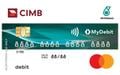
| CIMB Visa Debit | Up to 20% on tolls and public transportation worldwide | RM20 | Daily commuters, highway drivers | Free for the first year, RM15 for subsequent years |
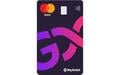
| GX Card (GXBank) | Unlimited 1% on overseas purchases | No cap | International travellers, online shoppers | Free |
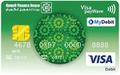
| KFH Debit Card-i | 0.5% on retail + 10% first purchase | RM50/month | General spending, Shariah-compliant | RM12 |
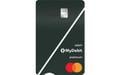
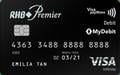
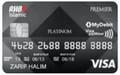
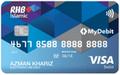
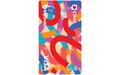
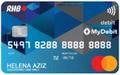
| RHB Premier Visa Infinite Debit Card | 1% on overseas transactions | None | Overseas retail spending | RM50 (Free for first year) |
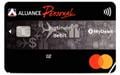
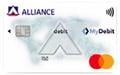
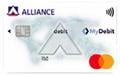
| Alliance Hybrid Standard Debit Card | 1% on overseas spending | RM50/month | Regular overseas travellers or international online shoppers | RM12 |
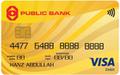
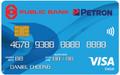
| Public Bank-Petron Visa Debit Card | 0.5% cash rebate on all your spending at any Petron service station | RM30/month | Heavy Petron users | Free |
Note: All rates and features are subject to change. Always check the bank's official terms and conditions before applying.
Detailed Card Analysis
CIMB Visa Debit Card - Best for Commuters
If you drive the NKVE, LDP, or KESAS daily, this card delivers exceptional value. The 20% cashback on tolls means spending RM150 monthly on tolls returns RM30—hitting the monthly cap in toll spending alone. LRT and MRT users get the same 20% rate, making this the clear winner for public transit commuters.
Real savings example: Someone spending RM200/month on tolls earns the RM20 monthly cap (RM240 annually). Compared to KFH's 0.5% on the same spending (RM12 annually), CIMB saves you RM228 more.
Eligibility: Malaysian citizen with a CIMB savings account maintaining RM2,000 minimum balance to enjoy up to 20% cashback rate for tolls and public transportation.
GX Card (GXBank) - Best for International Spending
If you travel overseas frequently or shop on international e-commerce sites, this card delivers exceptional value. The unlimited 1% cashback on overseas in-store payments means spending RM5,000 on a trip to Bangkok, Tokyo, or London returns RM50 with no monthly cap. Online shoppers buying from Amazon, ASOS, or AliExpress get the same 1% rate on foreign currency transactions.
The card charges zero foreign transaction fees. Most Malaysian debit cards add 1% to 3% forex fees on top of exchange rates. On a RM5,000 overseas spend, you save RM50 to RM150 in fees while earning RM50 cashback.
Real savings example: Someone spending RM3,000 quarterly on overseas trips earns RM30 per trip (RM120 annually) plus saves RM90 in avoided forex fees. Total annual benefit: RM210.
The card works fully digitally. No physical branches, everything runs through the GXBank app. Open an account in minutes, card arrives within days. Perfect for digital natives who never visit bank branches.
Local spending gets nothing. Buy groceries at Tesco, pump petrol at Petronas, pay at Shopee—zero cashback. This card only rewards foreign currency transactions. Use it exclusively for overseas spending and international online shopping.
Eligibility: Malaysian citizen or permanent resident, aged 18 and above. Open a GXBank Savings Account through the app with no minimum balance required. The account and card are free—no annual fees, no maintenance charges.
KFH Debit Card-i - Best for Shariah Compliant Spending
If you want Shariah-compliant rewards on everyday spending without tracking categories, this card delivers solid value. The 0.5% flat rate on all retail purchases works across Petronas, Giant, Shopee, and restaurants with no category restrictions. The 10% cashback on your first retail transaction each month is where savings happen. Buy RM200 groceries at Mydin as your first swipe, and you get RM20 back instantly.
The RM50 monthly cap is the highest among Islamic debit cards. Spend RM10,000 monthly and you max out at RM50 (RM600 annually). Most months, your 10% first transaction bonus plus regular 0.5% spending hits this cap easily.
Real savings example: Someone spending RM5,000 monthly starts with a RM150 grocery run (RM15 from 10% bonus), then spends RM4,850 more across petrol, dining, and bills (RM24.25 at 0.5%). Total: RM39.25, or RM471 annually.
The card follows full Shariah compliance. All cashback comes from halal profit-sharing (Mudarabah), not interest. Transactions at non-halal merchants automatically decline. Your money stays within Islamic banking principles approved by Bank Negara's Shariah Advisory Council.
Excluded transactions include e-wallet top-ups (Touch 'n Go, Boost, GrabPay), bill payments (TNB, Astro, Unifi), government fees (JPJ, LHDN), insurance premiums, and loan repayments (PTPTN, ASB). Standard retail spending at halal merchants qualifies.
Eligibility: Malaysian citizen aged 18 and above with a KFH Savings Account-i or Current Account-i.
Public Bank-Petron Visa Debit Card - Best for Petron Users
If you fill up at Petron stations, this card delivers straightforward cashback on fuel and convenience store purchases. The 0.5% cash rebate on all Petron spending means pumping RM500 monthly returns RM2.50, buying snacks and car care products adds more. The RM30 monthly cap requires RM6,000 Petron spending to max out—realistic only for families with multiple cars or daily drivers covering long distances.
Real savings example: Someone spending RM600 monthly at Petron (fuel plus occasional car care products) earns RM3 monthly cashback, or RM36 annually. A driver spending RM1,200 monthly at Petron earns RM6 monthly, or RM72 annually.
The RM30 monthly cap combined with a 0.5% rate means you need RM6,000 Petron spending monthly to maximise returns. Most drivers spending RM400 to RM800 on petrol monthly won't hit the cap—they earn RM2 to RM4 monthly, or RM24 to RM48 annually.
Non-Petron spending gets standard Visa acceptance but zero cashback. You can use this card to buy groceries at Giant, pay at Grab, shop on Lazada but there's no cash rebate. This card only rewards Petron transactions processed through Public Bank's payment terminals at Petron stations.
Cash rebate is combined between principal and supplementary cards. If you and your spouse both have the card, your cashback totals can't exceed RM30 combined monthly.
Eligibility: Malaysian citizen aged 18 and above with a Public Bank savings or current account.
RHB Premier Visa Infinite Debit Card - Best for High-Net-Worth Individuals Who Travel Frequently
If you're an RHB Premier customer who travels frequently and needs premium perks beyond cashback, this card delivers exceptional lifestyle benefits. The card offers 1% cashback on all overseas retail spending including dining, retail purchases, or services.
The 1% cashback on overseas spending means RM5,000 spent in Tokyo, London, or Sydney returns RM50. No monthly cap on overseas cashback. Combined with premium travel perks, this beats standard cashback cards for frequent international travellers.
Real savings example: Spend RM10,000 annually on overseas dining, shopping, and services, earn RM100 cashback.
The card targets high-net-worth individuals. You need RHB Premier banking status, which requires maintaining RM200,000 in total relationship balance across RHB deposits, investments, and loans. Daily ATM withdrawal limits go up to RM30,000, far exceeding standard debit cards' RM5,000 to RM10,000 limits.
Airport lounge access works at over 1,000 lounges worldwide through DragonPass. Fly through KLIA, Changi, or Heathrow, swipe your card for complimentary entry. Travel insurance automatically covers you and your family when you charge flight tickets to the card.
Local Malaysian ringgit spending gets standard debit functionality but no cashback. This card rewards overseas retail spending only which is for dining at restaurants abroad, shopping at international retailers, or paying for services in foreign currencies.
Eligibility: Malaysian citizen or permanent resident aged 18 and above with RHB Premier banking status.
Alliance Hybrid Standard Debit Card - Best for Frequent Travellers
If you travel overseas regularly or shop on international e-commerce sites, this card delivers solid cashback on foreign currency spending. The 1% cashback on overseas transactions means spending RM3,000 on a Singapore or Bangkok trip returns RM30. The RM50 monthly cap requires RM5,000 foreign currency spending to max out, achievable for frequent travellers or those booking international flights and hotels.
The card credits cash back to your account for foreign currency transactions only. Buy USD500 worth of items on Amazon, charge EUR300 at Paris restaurants, pay GBP200 at London shops—all earn 1% cashback. Convert to ringgit: spend approximately RM5,000 across foreign currencies monthly, hit the RM50 cap, earn RM600 annually.
Real savings example: Someone spending RM2,000 quarterly on overseas trips (RM8,000 annually) earns RM20 per quarter, or RM80 annually. A digital nomad or frequent business traveller spending RM4,000 monthly overseas earns RM40 monthly, or RM480 annually. Push spending to RM5,000+ monthly to maximise the RM50 cap, that's RM600 yearly.
Local Malaysian ringgit spending earns nothing. Buy groceries at Tesco, pump petrol at Petronas, pay at Shopee in MYR, zero cashback. This card exclusively rewards foreign currency transactions, making it useless for everyday domestic spending.
Eligibility: Malaysian citizen aged 18 and above with an Alliance Bank savings or current account.
What Mistakes Do People Make With Cashback Debit Cards?
The biggest mistake is ignoring monthly caps. Spend RM10,000 expecting RM100 at 1%, but the card caps at RM30, so you only get RM30. People also miss excluded transactions. Pay TNB bills and Astro subscriptions expecting cashback, but those don't count.
Picking high-rate cards without reading the terms is common. A card advertises 5% but requires RM2,000 minimum monthly spend. Spend RM800, and you get zero cashback. Closing accounts before cashback credits means losing money. Close your RHB account with RM25 pending and the bank keeps it.
Topping up e-wallets is a trap. Reload RM500 into Touch 'n Go or Boost expecting cashback, but banks exclude e-wallet top-ups. Annual fees bite too. Your card charges RM50 yearly but you earn RM30 cashback, so you lose RM20.
Using the wrong card costs you. Swipe a petrol card for groceries earning 0.2% when your other card gives 1%. Not tracking when cashback posts causes losses. Some banks credit daily, others monthly. Close early and forfeit pending rewards.
Frequently Asked Questions (FAQs) About Cashback Debit Card
How much cashback can I earn each month?
The amount of cashback depends on three things: your total spending, the card's percentage rate, and the maximum limit.
Example: Spend RM2,000 monthly with a 0.5% flat-rate card capped at RM50, you earn RM10 per month (RM120 annually). But spend RM1,500 monthly on petrol with a card offering 5% cashback on petrol capped at RM30, you earn RM30 monthly (RM360 annually), three times more.
Calculation: (Your spending × Cashback rate) = Monthly earnings, but never exceeding the card's monthly cap.
To find the best card, review your bank statements from the past three months to identify your highest spending categories, then compare cards on RinggitPlus that reward those categories. Focus on matching high-reward categories to your high spending areas rather than chasing the highest percentage rate.
Is there a maximum limit on how much cashback I can earn?
Yes, most cashback debit cards have a monthly cap that restricts your total earnings each month. This cap ranges from RM10 to RM50 for standard cards in Malaysia, though some digital banks offer unlimited cashback. Once you reach this limit, no cashback is given for any additional spending for the rest of that month.
Example: If your card has a RM20 monthly cap with 1% cashback, you stop earning rewards after spending RM2,000. To find your card's cap, check the terms and conditions document, your bank's website, or your mobile banking app.
To maximise earnings, spread large purchases across different months instead of buying everything at once.
When will I receive my cashback?
The timing of your cashback payout depends on your bank's policy and system capabilities. Most traditional banks credit cashback to your account once a month at the end of the billing cycle.
Some digital banks offer instant cashback that appears in your account immediately after each qualifying purchase is processed. Other banks credit your cashback weekly or quarterly, depending on their reward program structure and processing schedules.
To know when you'll receive your cashback, check your card's terms and conditions or contact customer service. You can also review your past bank statements to identify the pattern of when cashback credits appear. Set a calendar reminder to check your account on the expected payout date to ensure you receive your rewards.
Are there fees associated with cashback debit cards?
Yes, some cashback debit cards charge fees that can reduce or eliminate your net savings. Common fees include annual card fees, replacement card fees, foreign transaction fees, and ATM withdrawal charges at non-bank machines. Many basic cashback debit cards are free with no annual fees, making them ideal for casual users.
Premium cards with higher cashback rates or better benefits charge annual fees ranging from RM30 to RM100. Before choosing a card, calculate your expected annual cashback earnings and subtract all potential fees to determine your net benefit.
If a card charges RM50 annually but only gives you RM40 in cashback, you're losing RM10 each year. Always compare the total value you'll receive against all costs to ensure the card saves you money.
Do all purchases qualify for cashback?
Not all purchases earn cashback. Most cards exclude ATM cash withdrawals, bank fees, e-wallet top-ups (TNG, GrabPay, Boost), bill payments (TNB, Astro, Unifi), government fees (JPJ, LHDN, immigration), insurance premiums (Prudential, AIA, Great Eastern), and loan repayments (PTPTN, ASB financing).
Cards also exclude specific merchants or payment platforms. CIMB may not give cashback on Lazada or Shopee transactions depending on your card. RHB and Hong Leong Bank exclude charity donations and religious institutions. Exclusion lists differ between banks and cards.
Check your card's terms and conditions for the complete exclusion list and look for "Excluded Transactions" or "Non-Qualifying Purchases" sections.
What to do if your cashback doesn't appear?
Sometimes your expected cashback doesn't appear in your account on time. Follow these troubleshooting steps:
Check Transaction Eligibility: Confirm the transaction qualifies for cashback and isn't on the exclusion list in your card's terms. Verify the purchase wasn't an ATM withdrawal, bill payment, or other commonly excluded transaction type.
Verify Requirements Were Met: Ensure you meet the minimum monthly spending requirement to qualify for cashback for that billing period. Check that your account balance stayed above the required minimum throughout the entire billing cycle.
Review Payout Timing: Check your card's payout schedule to see whether the cashback is credited instantly, weekly, monthly, or quarterly, depending on your bank. If the billing cycle just ended, allow 3 to 5 additional business days for processing.
Check Transaction Status: Ensure the purchase wasn't refunded, cancelled, or reversed after the initial transaction was completed. Verify the transaction appears as completed in your bank statement without any flags or issues.
Contact Customer Service: If cashback still hasn't appeared after the expected date, contact your bank's customer service immediately with transaction details. Provide the transaction date, merchant name, amount, and reference number from your statement for faster resolution.
Most banks resolve cashback disputes within 7 to 14 working days and credit any missing amounts once verified.
What is the difference between a cashback debit card and a cashback credit card?
A cashback debit card uses your own money from your bank account, no debt, no interest. Every purchase deducts from your balance immediately.
A cashback credit card means borrowing from the bank. Miss the full payment by the due date? You pay 15% to 18% annual interest. Earn RM20 cashback but pay RM50 interest? You lose RM30.
Pick a debit card for rewards without debt. Pick a credit card only if you pay the full balance monthly.
Can I have multiple cashback debit cards from different banks?
Yes. You can hold debit cards from Maybank, CIMB, RHB, and other banks at the same time. Each card links to a different bank account, so you'll need active accounts at each bank. Some people use multiple cards, one for petrol spending with high fuel cashback, another for general purchases with flat rates.
Does cashback count as taxable income in Malaysia?
No. Lembaga Hasil Dalam Negeri (LHDN) doesn't classify cashback rewards as taxable income. You don't need to declare your RM15 or RM50 monthly cashback earnings when filing taxes. This applies to both debit and credit card cashback.
What happens to my cashback if I close my account?
You lose it. Most Malaysian banks (Maybank, CIMB, RHB, Hong Leong) don't pay out pending cashback when you close your account. If you have RM30 cashback waiting to be credited and you close the account before it posts, that money disappears. Always wait for your final cashback credit before closing.
Can I use cashback debit cards for business expenses?
You can, but your accountant won't like it. Debit cards link to personal accounts, not business accounts. Mixing personal and business spending complicates your bookkeeping. Sole proprietors sometimes do this anyway; the cashback is yours, just separate your expenses properly for tax filing.
Do cashback rates change over time?
Yes. Banks adjust rates, introduce promotions, or remove cashback programs entirely. CIMB and Hong Leong sometimes change category eligibility or monthly caps. Check your bank's website or app regularly for updates, especially around festive seasons when banks launch temporary cashback boosts.
Who is eligible for a cashback debit card?
Before applying, meet these basic requirements most banks ask for:
Age Requirement: The minimum age to apply for most cashback debit cards is 18 years old. Some premium cards with higher cashback rates or better benefits require you to be 21 years or older.
Citizenship or Residency Status: Applicants must be a Malaysian citizen or permanent resident with a valid MyKad or other identification document. Some banks also accept foreigners with valid work permits or long-term residence passes.
Bank Account Requirement: Many cashback debit cards require you to open or maintain a savings or current account with the issuing bank. The debit card is then linked to this account for all transactions and cashback credits.
Minimum Balance Requirements: Some cards require you to maintain a minimum account balance, such as RM500 or RM1,000, at all times. Premium cashback cards require higher minimum balances ranging from RM5,000 to RM10,000 in your linked account.
Income Requirements: Certain premium cards require proof of a minimum monthly income ranging from RM2,000 to RM5,000 or more. This ensures you have sufficient funds to use the card regularly and meet any minimum spending requirements.
Before applying, always check your chosen card's specific eligibility criteria on the bank's official website or by contacting customer service directly.
How to apply for a cashback debit card?
The process and timeline vary depending on your bank and application method:
Application Channels Available:
- Online Application: Apply through the bank's website or mobile app from anywhere, anytime without visiting a branch
- Branch Application: Visit any branch location and apply in person with assistance from bank staff
- Phone Banking: Call the bank's customer service hotline and apply over the phone with a representative's guidance
Required Documents:
- Identification: Your MyKad or a valid identification card
- Proof of Address: Recent utility bill, bank statement, or official letter showing your current residential address (within the last three months)
- Proof of Income: Salary slip, EPF statement, or income tax form
- Additional Documents: Some banks request additional documents like employment verification letters or business registration for self-employed applicants
Application Process Timeline:
- Online Application Duration: Takes approximately 10 to 15 minutes to complete the form and upload all required documents
- Existing Customers: Faster processing since the bank already has your information and account history on file
- New Customers: Need to open a savings or current account first before receiving the cashback debit card
- Processing Time: Ranges from instant approval for digital banks to 7 to 14 working days for traditional banks
- Card Delivery: You'll receive your card by mail at your registered address or you can collect it at the branch
Before starting your application, prepare all required documents and ensure you meet the eligibility criteria to avoid delays or rejection.