Retirement doesn’t mean you’re done with LHDN. If your tax file is still open, you need to keep filing every year until you apply to close it and LHDN approves the closure. LHDN’s FAQ says you have to file if you had taxable income or filed a return in an earlier year, even when you have none this year, so a RM0 tax bill doesn’t mean you can skip the return.
Your pension and EPF withdrawals are exempt, but rent, freelance work, part-time jobs, and director’s fees need to be declared. Reliefs lower what you pay, so if your taxable income is small, you could owe no tax.
Retirement Income That Is Fully Or Partly Tax-Free
Income
Tax treatment
Condition
Pension from Malaysian employment
Exempt
You’ve reached 55, reached your compulsory retirement age, or retired due to ill health
Retirement gratuity
Exempt in full
You retired due to ill health, or retired at 55 or your compulsory retirement age after 10 years of continuous service with the same employer or group
Other retirement gratuity
Exempt up to RM1,000 for each completed year of service, and the balance is taxable
A gratuity that doesn’t meet the conditions above
EPF withdrawals and dividends
Exempt
None
Interest from bank deposits
Exempt for individuals
Deposit is with a licensed bank or financial institution in Malaysia
Dividends from shares
Exempt up to RM100,000 a year, and a 2% tax applies to the excess from YA 2025
EPF, unit trust, and government-backed fund distributions don’t count towards the RM100,000
A pension you receive before 55 is taxable unless you retired because of ill health or at your compulsory retirement age, so if neither applies, declare it as pension income until you reach 55.
If your contract’s retirement age is 60 and you retire at 52 after 20 years with a RM50,000 gratuity, you don’t meet the full exemption conditions, so only RM1,000 × 20 years = RM20,000 is exempt. The other RM30,000 is taxable in the year you receive it. LHDN’s Public Ruling 9/2016 has the rule and a worked example.
Rental income goes on Form BE if you don’t have business income, and you can deduct allowable expenses such as assessment tax, quit rent, fire insurance, repairs, and loan interest before working out the taxable amount.
If you work after retiring, the form depends on how you’re paid. A part-time job with a company is employment income and goes on Form BE. Freelance projects are business income and go on Form B, where you declare your other income on the same form. Director’s fees are taxable, and if you’re an executive director, they go on Form BE with your other employment income. If you’re an independent non-executive director, the fees are business income and go on Form B.
Money from your children is a different matter. If they give you money for living expenses, it’s a gift, and a gift isn’t income, so there’s nothing to tax. If your child pays you rent to live in your property, though, that’s rental income and needs to be declared like any other rent.
Reliefs You Can Claim As A Retiree
Reliefs come off your total income before tax is calculated, and what’s left is your chargeable income.
For example, say your net rental income is RM14,000 for the year. After the RM9,000 individual relief, your chargeable income is RM5,000. Since the first RM5,000 is taxed at 0%, your tax is RM0, but you still need to file the return because your tax file is open.
A RM400 tax rebate cuts your tax further when your chargeable income is RM35,000 or less. You pay no tax on chargeable income up to RM28,333, because the tax on that amount is RM400 (RM150 on the first RM20,000 and RM250 at 3% on the next RM8,333) and the rebate takes off the same RM400. If the RM9,000 individual relief is your only relief, that means total income of up to RM37,333, as our 2025 thresholds article explains.
If your spouse has no income, you can claim RM4,000. You can claim up to RM10,000 for medical expenses for yourself, your spouse, or your child, covering serious diseases, vaccination, dental treatment, and full medical check-ups, but not a normal clinic visit. LHDN’s tax reliefs page has the full list.
For parents or grandparents you support, you can claim up to RM8,000 for their medical treatment, special needs care, or nursing home, with certification from a registered medical practitioner. Contributions to a Private Retirement Scheme qualify for up to RM3,000 a year in relief until YA 2030.
Income you earn in 2026 is YA 2026, which you file in 2027 through MyTax. Failing to file without a reasonable excuse could result in a fine of RM200 to RM20,000, a jail term of up to six months, or both.
Closing Your Tax File
You can apply to close your tax file if you’ve retired and no longer have taxable income, or if you’re leaving Malaysia permanently.
You’ll need to apply in writing to the LHDN branch handling your file and settle any outstanding tax first. Until LHDN confirms the closure, continue filing your returns. Once the file is closed, you no longer need to file unless you later start earning taxable income, in which case you’ll need to re-register with LHDN.
A RM0 tax bill doesn’t mean you have no taxable income. With net rental income of RM14,000, for example, you can’t close your file. If all your income is tax-free, such as a pension after 55 and EPF, you can apply to close it.
Follow us on our official WhatsApp channel for the latest money tips and updates.
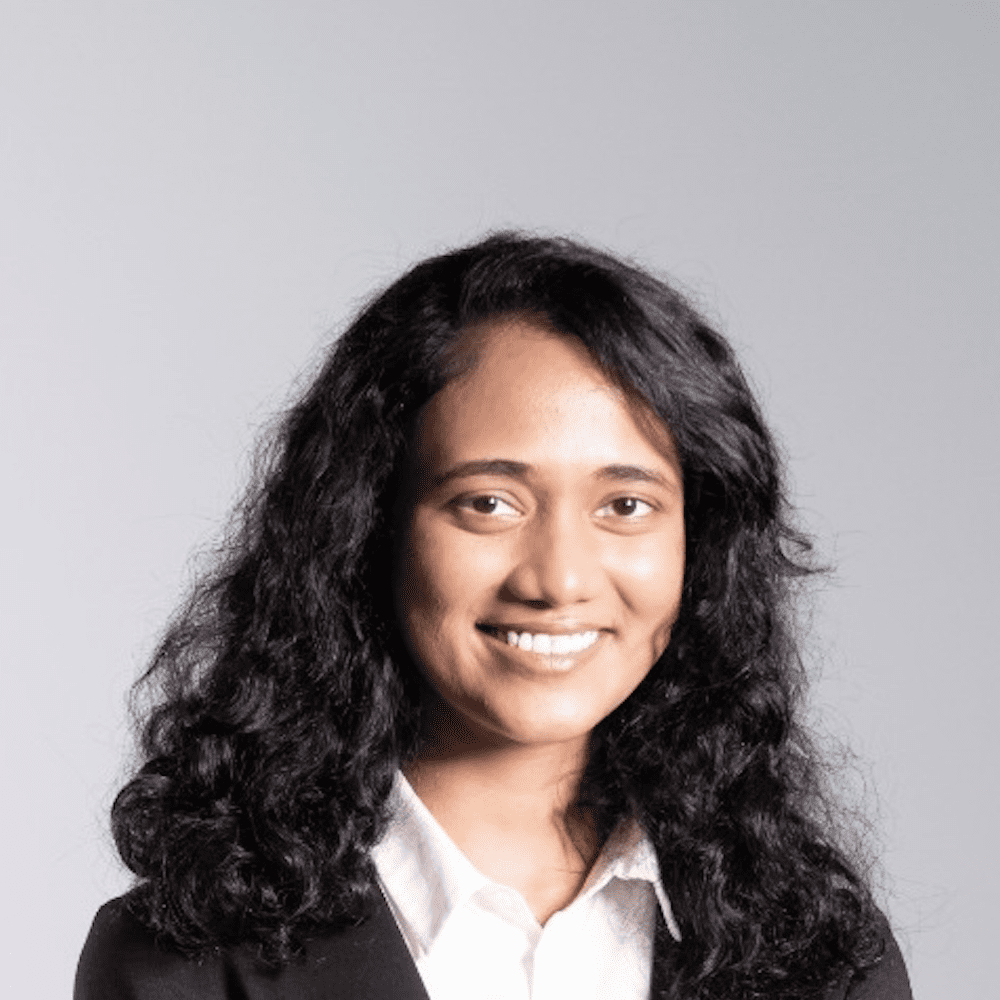
Steffi Manisha Arokiam is a Tax Director at ThinkTX Consultants, where she leads the firm’s Transfer Pricing and e-Invoicing practice. She advises both individuals and corporations across a wide range of tax matters, including Real Property Gains Tax (RPGT), stamp duty, estate tax, and global mobility for expatriates. Recognised for combining strong technical expertise with a practical, solutions-driven approach, Steffi helps clients navigate complex tax issues with clarity and confidence.
A respected thought leader in taxation, Steffi has authored numerous technical articles and professional newsletters. Her work has been published by the International Bureau of Fiscal Documentation (IBFD) and Wolters Kluwer (CCH), and she has been featured on BFM 89.9 discussing crypto taxation.
Professional Affiliations
Member of the Malaysian Institute of Accountants (MIA)
Member of the Chartered Tax Institute of Malaysia (CTIM)
ASEAN Chartered Professional Accountant (ASEAN CPA)
Member of the International Fiscal Association (IFA)
Professional Trainer certified by HRD Corp
As a trusted tax partner of RinggitPlus, Steffi reviews and verifies all content relating to Malaysian taxation to ensure it is accurate, up to date, and practical — helping readers better understand the tax system and make the most of their tax position.
00votes
Article Rating
SHARE
About THE AUTHOR
Steffi Manisha Arokiam
Steffi Manisha Arokiam
Steffi Manisha Arokiam is a Tax Director at ThinkTX Consultants, where she leads the firm's Transfer Pricing and e-Invoicing practice. She advises both individuals and corporations across a wide range of tax matters, including Real Property Gains Tax (RPGT), stamp duty, estate tax, and global mobility for expatriates. Recognised for combining strong technical expertise with a practical, solutions-driven approach, Steffi helps clients navigate complex tax issues with clarity and confidence.
A respected thought leader in taxation, Steffi has authored numerous technical articles and professional newsletters. Her work has been published by the International Bureau of Fiscal Documentation (IBFD) and Wolters Kluwer (CCH), and she has been featured on BFM 89.9 discussing crypto taxation.
Professional Affiliations
Member of the Malaysian Institute of Accountants (MIA)
Member of the Chartered Tax Institute of Malaysia (CTIM)
ASEAN Chartered Professional Accountant (ASEAN CPA)
Member of the International Fiscal Association (IFA)
Professional Trainer certified by HRD Corp
As a trusted tax partner of RinggitPlus, Steffi reviews and verifies all content relating to Malaysian taxation to ensure it is accurate, up to date, and practical — helping readers better understand the tax system and make the most of their tax position.







Comments (0)