Alex Cheong Pui Yin
Previously covered recruitment-related stories and had a short stint as a copywriter for the property industry. She subsequently developed an interest in investment and robo-advisors.
23rd November 2021 - 2 min read
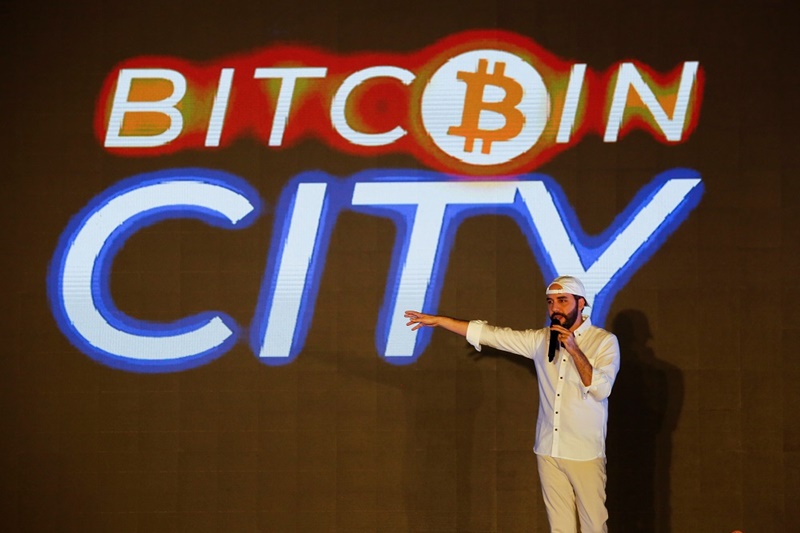
President of El Salvador Nayib Bukele has announced plans for the country to build the world’s first “Bitcoin City”, further increasing the nation’s stake in Bitcoin and aligning its economy with the cryptocurrency.
According to Bukele, the city – which is planned in the east of the country, along the Gulf of Fonseca – will be funded initially by Bitcoin bond, which is to be developed by blockchain technology provider Blockstream. Tapping into Conchagua volcano’s geothermal energy as an energy source to mine Bitcoin, the president said that the city will not levy any taxes except for value-added tax (VAT). “We’ll start funding in 2022, the bonds will be available in 2022,” he further stated.

Bukele envisions Bitcoin City as a full-fledged metropolis populated with residential and commercial areas, restaurants, as well as other logistic services (airports, port, and rail). He also said that the city will be designed as a circle, with the centre being a plaza that features a large Bitcoin symbol.
The chief strategy officer of blockchain technology provider Blockstream, Samson Mow also shared that El Salvador will begin raising funds for the planned city with an initial issuance of US$1 billion bond (approximately RM4.18 billion) backed by Bitcoin. Of the amount, US$500 million will be allocated for the construction of Bitcoin mining infrastructure, while the remaining US$500 million is to be used to purchase even more Bitcoin.

Mow further stated that the tokenised bonds will be held for 10 year, paying an initial return of 6.5%. After a period of five years, El Salvador will then sell its cryptocurrency holdings and provide added dividends to bondholders. By the end of 10 years, Mow expects the annual percentage yield to stand at 146%, adding that El Salvador may – in time – become “the Singapore of Latin America”.
Earlier this year, El Salvador had become the first country in the world to adopt Bitcoin as legal tender, allowing businesses to trade in Bitcoin just as they would normally do with fiat money. Since then, the Latin America nation has endured a relatively bumpy journey in embracing the change, facing setbacks such as technological glitches and protests by its citizens.
(Sources: Coindesk, BBC News, Malay Mail)
Previously covered recruitment-related stories and had a short stint as a copywriter for the property industry. She subsequently developed an interest in investment and robo-advisors.

Comments (0)