Alex Cheong Pui Yin
Previously covered recruitment-related stories and had a short stint as a copywriter for the property industry. She subsequently developed an interest in investment and robo-advisors.

27th July 2022 - 3 min read
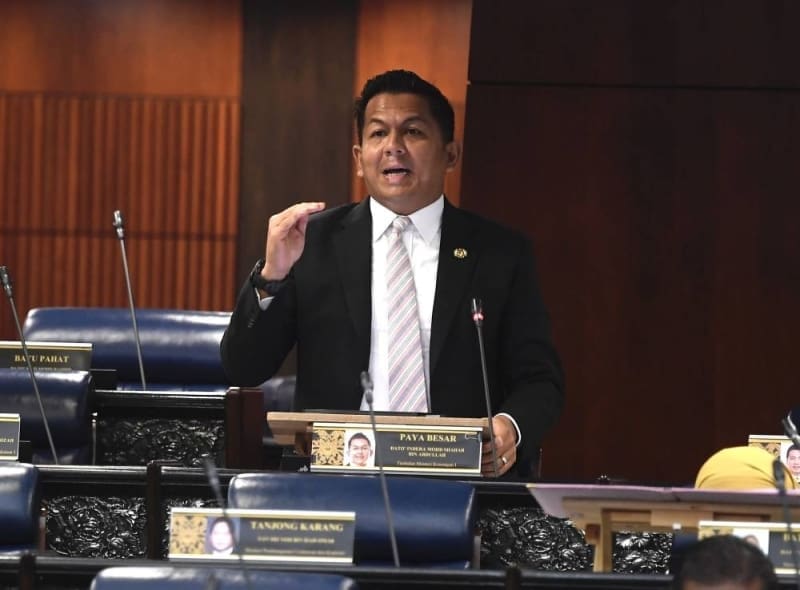
Deputy Finance Minister I, Datuk Mohd Shahar Abdullah has commented that the value of Malaysia’s currency should not be measured solely by its position against the US dollar, which has been rising as compared to most world currencies. Instead, the ringgit’s actual performance should be determined through a holistic assessment of its position and growth.
The deputy minister stressed that although the position of the ringgit is crucial in ensuring that Malaysia’s economy is performing at an optimum level, it is unfair for its performance to be compared solely to the US dollar. He also acknowledged that the ringgit had declined by 6.2% against the US dollar since early 2022, but noted that this dip is consistent with the general performance of currencies from regional and developed countries, which saw a depreciation of between 2.8% and 16.4% as of 22 July 2022.
“The overall strengthening of the US dollar was driven by the aggressive rate hike in the US, the global risk-off sentiment following the conflict in Ukraine and modest growth expectations in China. As such, the government will continue to manage risks from domestic and external developments, and Bank Negara is also prepared to use its operational policy instruments to prevent significant fluctuations in the ringgit exchange rate,” said Datuk Mohd Shahar.
Datuk Mohd Shahar further highlighted that Malaysia’s ringgit has actually increased against several other major currencies year-to-date, including the Japanese yen (+12.2%), British pound (+6%), and euro (+4.6%). Similarly, the ringgit also gained against the Philippine’s peso (+3.5%) and Thailand’s baht (+3.3%).
Moreover, Datuk Mohd Shahar said that Malaysia’s economic growth should also be evaluated through several other performance indicators, aside from the strength of the currency. These include retail and wholesale trade, unemployment rate, industrial production, and national trade. “In the second quarter of 2022, all four indicators showed good performance, therefore the overnight policy rate (OPR) was raised gradually, not suddenly like the US where it was raised by 150%,” he said.
Separately, the governor of Bank Negara Malaysia (BNM), Tan Sri Nor Shamsiah Mohd Yunus has also stepped forward to reassure that the performance of the Malaysian ringgit has actually remained relatively stable. This is in comparison with the currencies of other trading partners.

Like Datuk Mohd Shahar, Tan Sri Nor Shamsiah also pointed out that the US dollar index has increased by 11.5% in 2022 – the highest in two decades. As such, most regional currencies, including the ringgit, have devalued relative to the dollar. “Malaysia’s economic recovery is well underway, and at the same time, the bank will continue to use tools at our disposal to ensure the movement of the ringgit are orderly in an aggressive monetary policy tightening US Federal Reserves,” she remarked.
To note, Malaysia’s ringgit fell to a five-year low against the US dollar last week – at its weakest since March 2017. The US dollar-to-ringgit exchange rate was recorded at 4.4575 at that time.
Previously covered recruitment-related stories and had a short stint as a copywriter for the property industry. She subsequently developed an interest in investment and robo-advisors.





Comments (0)