A generation ago, estate planning was relatively straightforward. A person’s wealth consisted mainly of a house, bank accounts, investments, insurance policies, vehicles, jewellery and other physical possessions. When someone passed away, the family could identify these assets through documents, statements and physical records.
Today, our wealth and identity increasingly exist online.
We have social-media accounts, email accounts, online businesses, cloud storage, digital photographs, cryptocurrency, e-wallets, websites, YouTube channels and countless other digital assets. Some may have significant financial value. Others may have enormous sentimental value.
This evolution creates a new question for estate planning:
What happens to your digital life when you are no longer around to manage it?
What Is A Digital Asset?
A digital asset is broadly anything of value that exists in digital form and includes a right to use which can be accessed through digital devices.
While some digital assets have obvious financial value, other assets may not have a direct monetary value but can be extremely important to a family. These include photographs stored in the cloud, personal emails, videos, documents and social-media profiles.
There is also another category that is often overlooked: digital access information.
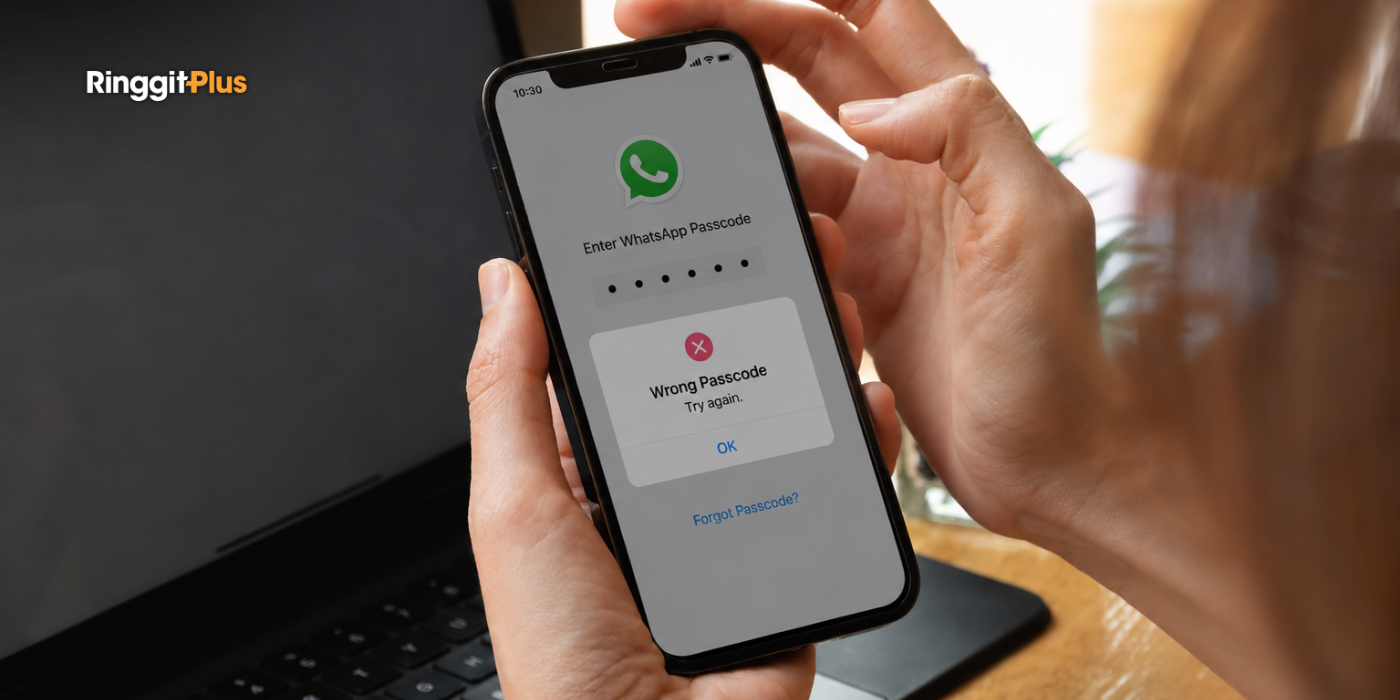
Username and password information can determine whether family members can identify, access, preserve or close digital accounts after a person’s death.
The Password Problem
Consider how many accounts an average person may have today.
A person may remember only some of the accounts. Their family may know even less.
If passwords are known only to the deceased, valuable information can become inaccessible. In some circumstances, family members may not even know that an asset exists.
This is particularly significant for cryptocurrency and other assets where control may depend heavily on private keys, recovery phrases or authentication credentials.
However, there is an important distinction between including information about digital assets in an estate plan and simply putting all passwords into a conventional will.
A will can become a formal legal document that is shared with relevant parties during the administration of an estate. For security reasons, sensitive credentials such as passwords and recovery phrases generally should not simply be written into the will.
Instead, people should consider a secure digital-asset inventory or password-management arrangement, with instructions in their estate plan explaining where the information can be found and who is authorised to access it.
Social Media Is Part Of Your Legacy
Trust structures can also become relevant as digital wealth becomes more complicated.
For example, an entrepreneur may own a website, domain names, social-media accounts, digital intellectual property or an online business generating income.
If these assets are essential to a business, simply leaving a list of passwords to family members may not be enough.
The estate plan should consider ownership, control, succession and access.
Who owns the digital business?
Who should manage it after death?
Who has authority to access the accounts?
Should the business continue operating, be sold or eventually closed?
These questions can be particularly important when the digital asset generates recurring income.
Social Media Is Part Of Your Legacy
Social-media accounts are another area that deserves attention.
For many people, Facebook, Instagram and other platforms contain years of photographs, conversations and memories. For influencers and content creators, however, these accounts may also represent a substantial business asset.
A person should therefore decide what they want to happen to their social-media presence after death.
Should the account be memorialised?
Should it be deleted?
Should certain content be preserved?
Who should be responsible for communicating with followers?
For someone whose social-media account generates advertising or commercial income, the question becomes even more important because the account may form part of a broader business operation.
Building A Digital Estate Plan
A practical digital estate plan can begin with a simple inventory.
Start by identifying and organising the different categories of digital assets you own:
Touch ‘n Go eWallet, MAE by Maybank, GrabPay, Boost, ShopeePay, BigPay, Setel
Digital Subscriptions & Memberships
Car wash, Gym membership, Games, Video/ Photo editing apps (Lightroom, Capcut, Synthesia), Slides apps (Canva), Video streaming (Netflix, Viu, iQIYI, HBO, Youtube Premium), Music (Spotify, Apple Music), Unlimited Travel Pass, Bundles (CelcomDigi, Unifi TV, Astro, Apple TV)
Important Digital Documents & Records
Personal Identification, Financial Records, Legal Papers, Medical files (Medical Record, Dental Record, ENT Record, OD record)
Next, record where important access information is securely stored.
A password manager, secure digital vault, Digital Asset Custodians (DAC) or another appropriate system can help organise credentials. Multi-factor authentication and recovery mechanisms should also be considered. In Malaysia, regulated Digital Asset Custodians (DACs) include CoKeeps Sdn Bhd, Gambit Custody Sdn Bhd and Jada Platform Sdn Bhd.
Most importantly, make sure your estate-planning arrangements are legally appropriate for your jurisdiction and consistent with the terms of the relevant online platforms.
A New Dimension Of Estate Planning
Digital assets demonstrate how dramatically wealth has evolved.
Estate planning is no longer simply about deciding who receives your house, savings and investments. It increasingly involves deciding what happens to your digital identity, online relationships, intellectual property and digital wealth.
For Muslims, this conversation can also form part of responsible estate and wealth planning. The objective is to ensure that assets are properly identified, obligations are addressed and the distribution of wealth is handled according to the applicable Islamic inheritance and estate-planning principles.
The next generation of estate planning will therefore need to consider both the physical estate and the digital estate.
Your family may know where you keep your house documents but do they know where your digital life is?
Incorporating your digital assets into your overall estate plan ensures that both their financial value and sentimental importance are properly considered. This includes identifying your digital assets, reviewing how they should be managed or transferred and ensuring your wishes are clearly documented alongside your existing estate planning arrangements.
If you are unsure where to begin, consider speaking to a licensed financial planner who can guide you through the process and help you develop a practical plan to protect your digital legacy. Taking these steps today can give you and your loved ones greater peace of mind, knowing that your digital life will be managed according to your wishes when you are no longer around.
If you need more clarification and need more information from me, you may contact me through RinggitPlus.
And perhaps the most important question to ask yourself; who knows your phone password?
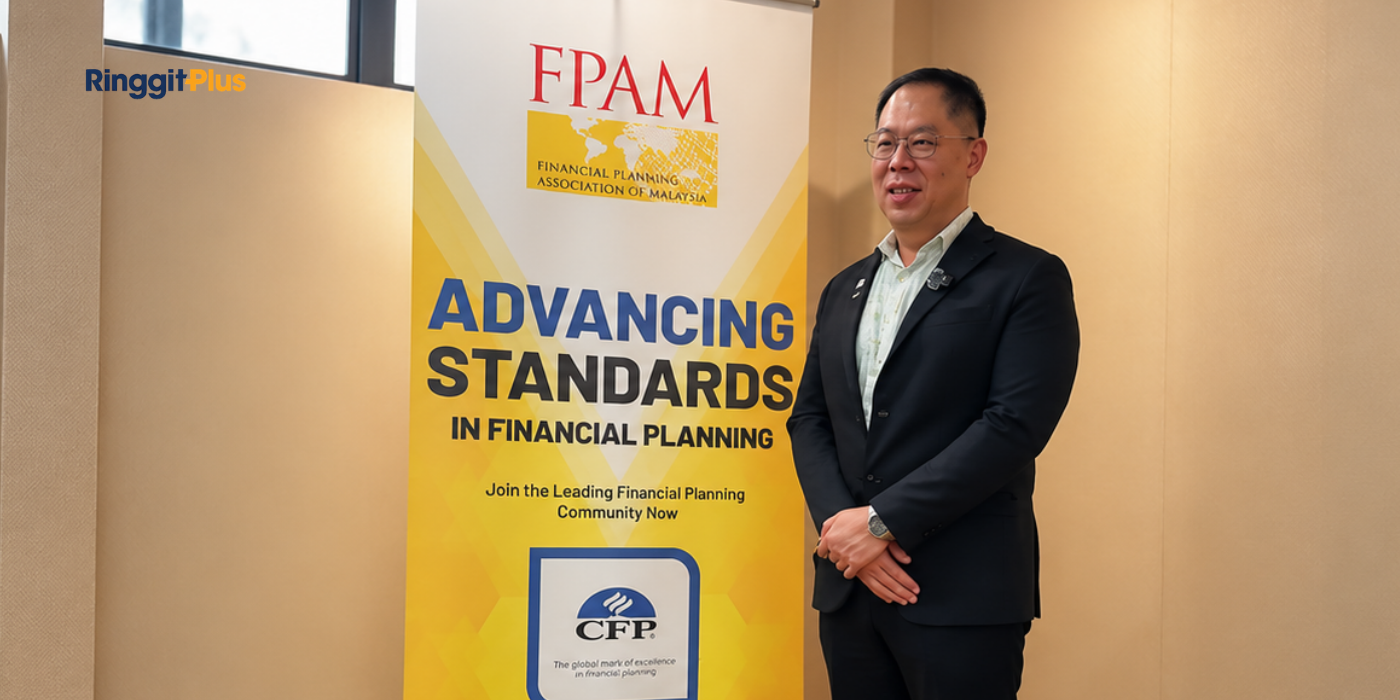
Nur Mahfuudhzah binti Normin is a licensed financial planner with years of experience in unit trust investments, Islamic estate planning and life insurance & Takaful. She has been helping individuals and businesses navigate their financial journeys with confidence and clarity. Her expertise spans both Islamic and conventional financial planning solutions, allowing her to provide holistic and tailored advice to a diverse range of clients.
Throughout her career, she has organised and moderated numerous online financial training programmes for industry professionals, while also organising Bursa Malaysia’s derivatives-related events, as well as financial planning symposiums under Financial Planning Association of Malaysia (FPAM).
Today, she advises individual clients on comprehensive financial planning and supports Small and Medium Enterprises (SMEs) with strategic business and financial solutions. Her approach combines technical expertise with practical, client-centric strategies aimed at long-term financial sustainability and growth.
Beyond advisory work, she is an active contributor to the financial services industry. Her insights and commentary have been featured in The Star, and she has appeared on BFM to share perspectives on financial planning and industry developments. She also serves as part of the committee for FIMM’s Future of Industry (FOI) Initiatives and the Formation of the Industry Working Group (IWG), contributing to the advancement and evolution of Malaysia’s financial planning landscape.
Professional Affiliations
FPAM’s Certified Financial Planner (CFP ®)
FPAM’s Islamic Financial Planner (IFP ®)
Securities Commission’s Capital Markets Services Representative’s Licence (CMSRL) holder
Bank Negara Malaysia’s Financial Adviser’s Representative (FAR)
Bank Negara Malaysia’s Islamic Financial Adviser’s Representative (IFAR)
00votes
Article Rating
SHARE
About THE AUTHOR
Nur Mahfuudhzah binti Normin
Nur Mahfuudhzah binti Normin
Nur Mahfuudhzah binti Normin is a licensed financial planner with years of experience in unit trust investments, Islamic estate planning and life insurance & Takaful. She has been helping individuals and businesses navigate their financial journeys with confidence and clarity. Her expertise spans both Islamic and conventional financial planning solutions, allowing her to provide holistic and tailored advice to a diverse range of clients.
Throughout her career, she has organised and moderated numerous online financial training programmes for industry professionals, while also organising Bursa Malaysia’s derivatives-related events, as well as financial planning symposiums under Financial Planning Association of Malaysia (FPAM).
Today, she advises individual clients on comprehensive financial planning and supports Small and Medium Enterprises (SMEs) with strategic business and financial solutions. Her approach combines technical expertise with practical, client-centric strategies aimed at long-term financial sustainability and growth.
Beyond advisory work, she is an active contributor to the financial services industry. Her insights and commentary have been featured in The Star, and she has appeared on BFM to share perspectives on financial planning and industry developments. She also serves as part of the committee for FIMM’s Future of Industry (FOI) Initiatives and the Formation of the Industry Working Group (IWG), contributing to the advancement and evolution of Malaysia’s financial planning landscape.
Professional Affiliations
FPAM’s Certified Financial Planner (CFP ®)
FPAM’s Islamic Financial Planner (IFP ®)
Securities Commission’s Capital Markets Services Representative's Licence (CMSRL) holder
Bank Negara Malaysia’s Financial Adviser's Representative (FAR)
Bank Negara Malaysia’s Islamic Financial Adviser's Representative (IFAR)
We provide weekly updates on every Friday at 5pm on the prices of RON95, RON97 and Diesel in Malaysia and a chart that shows the movement of fuel prices across a 6-week period. Bookmark this page now!








Comments (0)