Alex Cheong Pui Yin
Previously covered recruitment-related stories and had a short stint as a copywriter for the property industry. She subsequently developed an interest in investment and robo-advisors.

16th December 2022 - 2 min read
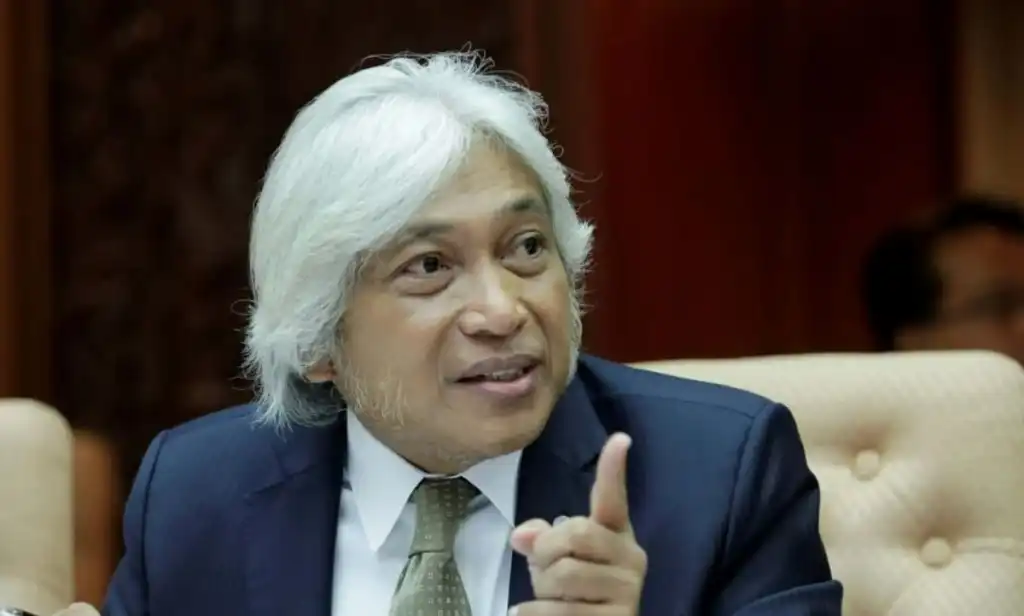
Former Bank Negara Malaysia (BNM) governor, Tan Sri Muhammad Ibrahim has commented that Malaysia needs to re-examine its current taxation system in order to develop a more comprehensive and equitable system.
According to Tan Sri Muhammad, an equitable tax system should involve value-added tax (VAT), which is described as a consumption tax that is levied on a product at each stage of the supply chain where value is added (hence its name). Additionally, the tax system should support better economic growth instead of becoming a political issue.
“As it is now, about 30% of the economy does not pay tax because of the nature of the tax system. This includes a retired person like me or others who could still afford to spend and should be contributing their part, as they still enjoy good roads, airports, and schools,” said Tan Sri Muhammad.
The former governor also explained that a good taxation system will ensure that Malaysia has revenue options, enabling it to avoid entering into a debt trap in the long run. If trapped, not only will Malaysia’s economic growth be affected, financial markets such as the equity and bond markets will also be impacted, ultimately leading to investors losing confidence in Malaysia.
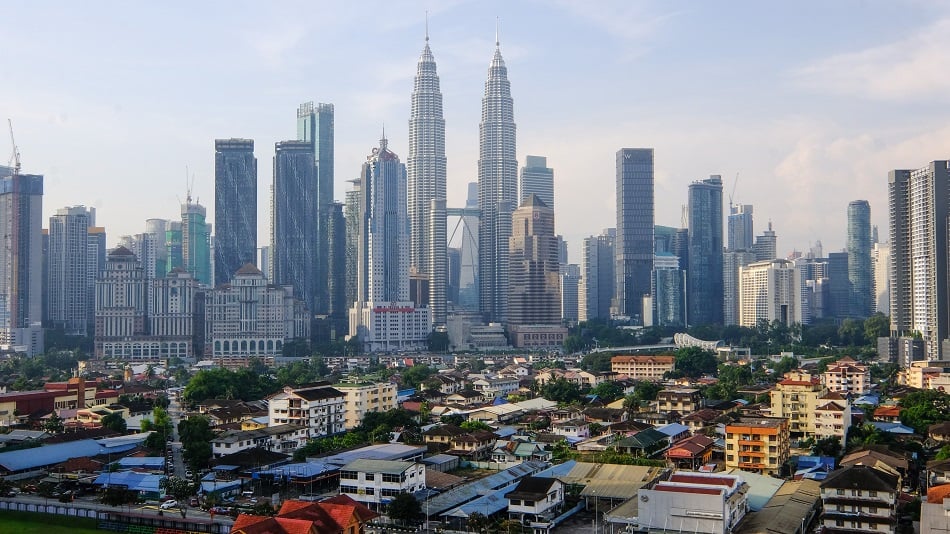
At present, Malaysia’s debt level – which is recorded at 50% to 60% of its gross domestic product – is still considered low. This is in comparison to other countries such as Japan and Greece, which accumulated a debt level of over 100%.
Finally, Tan Sri Muhammad also stressed the importance of having national champions in various economic sectors. “We need more national champions like Petronas and Top Glove Corporation Bhd to become global brands that not only create high-paying jobs, but also advance the interest of the nation,” he said, adding that a clear and cohesive plan is needed for this to happen.
As an example, Tan Sri Muhammad highlighted the long process of planning and nurturing that BNM and the local banking industry engaged in in order to grow domestic banks into competitive entities. Consequently, this also transformed them into well-respected regional forces.
(Source: The Edge Markets)
Previously covered recruitment-related stories and had a short stint as a copywriter for the property industry. She subsequently developed an interest in investment and robo-advisors.






Comments (0)