The government has expanded its free education initiatives to support more students from low-income families and students with disabilities, as part of wider efforts to improve access and reduce inequality across Malaysia’s education system.
Prime Minister Datuk Seri Anwar Ibrahim announced the expanded measures during the launch of the National Education Blueprint 2026–2035.
Free Education Extended To Higher Education Institutions
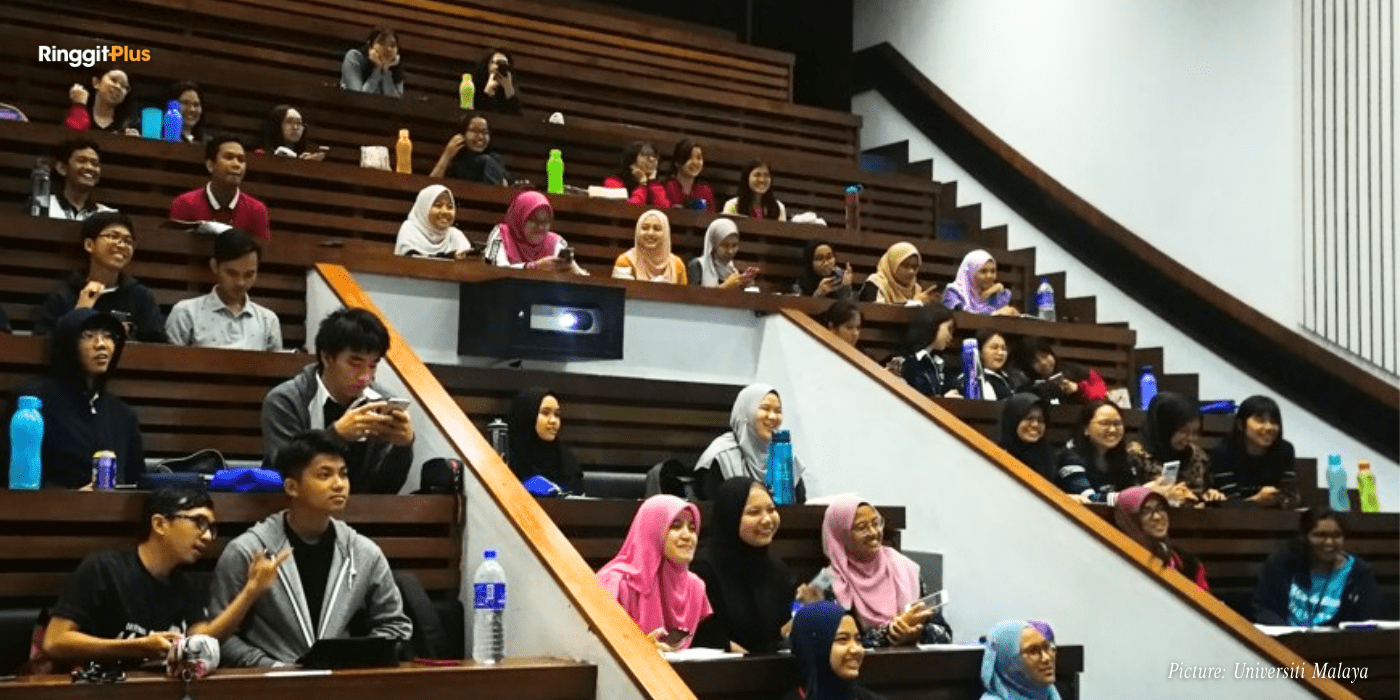
Under the expanded initiative, 10,000 underprivileged students and 3,000 students with disabilities enrolled in universities, polytechnics, technical and vocational institutions, and community colleges will receive free education.
The move builds on an existing policy that provides free education from Year 1 to Form 6. Anwar said additional allowances are also being provided to support students with basic education-related expenses.
For families weighing post-secondary options, the extension of free education into higher education could make continuing studies more financially viable.
Textbook And Reading Support Further Strengthened
The Prime Minister also confirmed that assistance for textbooks and reading programmes has been expanded, with a renewed focus on encouraging reading among students.
Previously, RM100 was allocated to students to purchase books. Additional funding was later introduced to help teachers buy reading materials for school-based reading programmes. These initiatives remain in force and will be strengthened under the new education plan.
For households managing rising living costs, support for textbooks and reading materials can help reduce recurring education expenses throughout the school year.
Renewed Focus On Building A Reading Culture
Anwar emphasised the importance of cultivating a strong reading culture within the education system. He said students should be encouraged to read beyond textbooks, including novels and supplementary materials that support broader learning.
He also warned that reading habits have been declining, a trend that could affect the development of young talent if not addressed early.
Polytechnic And Community College Reforms Moving Forward
Reforms will also extend to polytechnics and community colleges, with greater emphasis on digitalisation and artificial intelligence.
The Ministry of Education is currently drafting the Polytechnic and Community College Act, which is still under development. As part of the National Education Blueprint, ten polytechnics will undergo progressive upgrades between 2026 and 2035.
These upgrades are intended to improve facilities and ensure training programmes remain relevant to future workforce needs.
How The Expanded Support Could Lower Education Costs
For students from low-income households and students with disabilities, the expanded free education support could significantly reduce the cost of continuing education beyond secondary school.
Lower tuition costs, combined with textbook assistance and allowances, may ease financial pressure on families and reduce the need for additional borrowing or financial support. This could allow households to better plan education expenses while managing other essential costs.
As reforms under the National Education Blueprint are implemented over the coming years, families may see further changes that affect education planning, budgeting, and long-term study decisions.
Follow us on our official WhatsApp channel for the latest money tips and updates.
Samuel writes about personal finance and financial news, focusing on how banking updates, policies, and promotions affect everyday money decisions. He enjoys making complicated financial topics easier to follow. Outside of writing, he spends his time watching TV shows and occasionally convincing himself he will only watch one episode.
00votes
Article Rating
SHARE
About THE AUTHOR
Samuel Chua
Samuel Chua
Samuel writes about personal finance and financial news, focusing on how banking updates, policies, and promotions affect everyday money decisions. He enjoys making complicated financial topics easier to follow. Outside of writing, he spends his time watching TV shows and occasionally convincing himself he will only watch one episode.
We provide weekly updates on every Friday at 5pm on the prices of RON95, RON97 and Diesel in Malaysia and a chart that shows the movement of fuel prices across a 6-week period. Bookmark this page now!








Comments (0)