Malaysia collects less tax than most countries in the region. This has become an important issue because tax is the main way the government pays for public services, such as hospitals, schools, and roads. Recent data from the World Bank and the Ministry of Finance shows that Malaysia’s tax collection is lower than expected for a growing economy.
These concerns have also been mentioned in past briefings by Treasury Secretary-General Datuk Johan Merican. He explained that Malaysia’s tax-to-GDP ratio is lower than many neighbouring countries and needs long-term attention.
How Malaysia Compares With Other Countries
The tax-to-GDP ratio shows how much tax a country collects compared to the size of its economy. In 2023, Malaysia’s ratio was 12.6% [PDF]. This is one of the lowest in Southeast Asia. Only Indonesia recorded a lower level.
Countries like Thailand, Singapore, and the Philippines collect more. High-income countries collect even more because they provide wider social protection. Denmark collects 31.4%, and Norway collects 27.1%.
Malaysia’s lower ratio means the government has less money to spend on public services or invest in the future.
Why Malaysia’s Tax Base Is Small
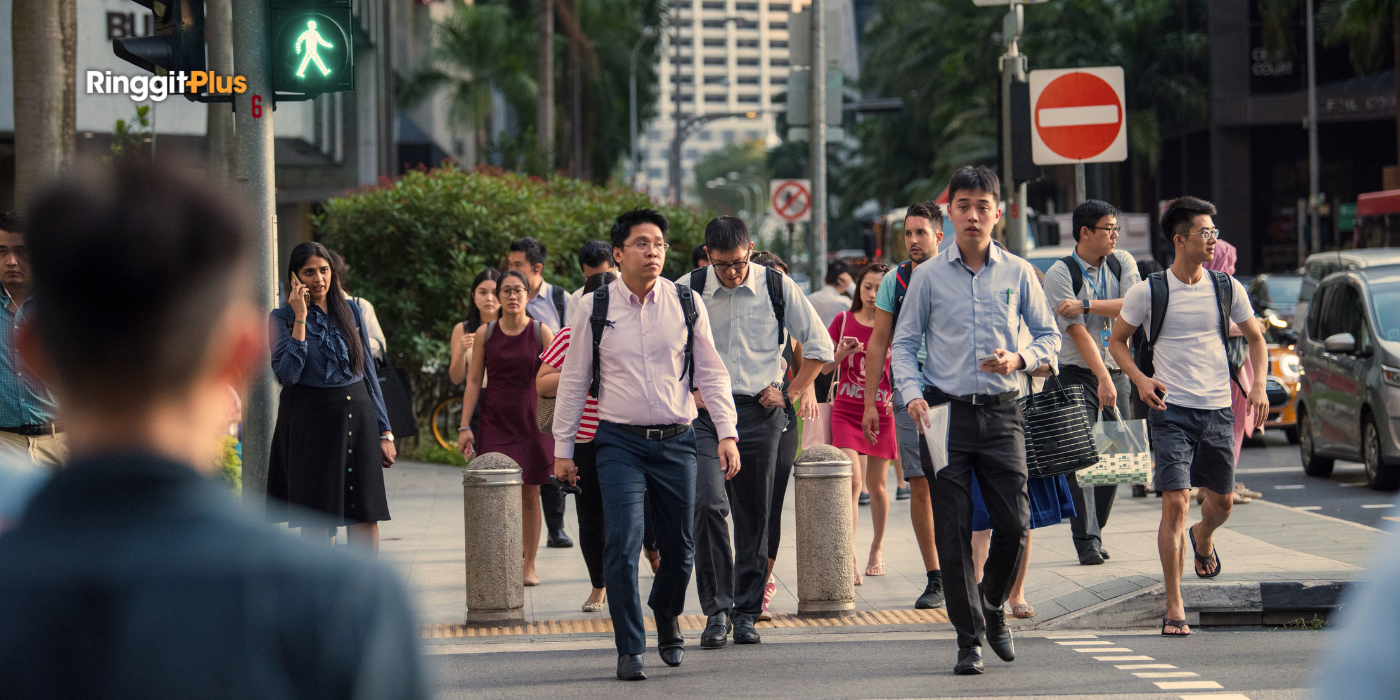
Malaysia has around seventeen million workers, but only about 5.7 million pay income tax. Many workers earn below the taxable amount or work informally, which means their income is not recorded for tax.
Because of this, the government collects less from direct taxes and relies more on indirect taxes. These include the Sales and Service Tax and new taxes on low-value goods and capital gains.
The World Bank reports that Malaysia collects less tax than many countries with similar income levels. This limits how much can be spent on hospitals, schools, and infrastructure.
How Low Tax Collection Affects Public Services
A small tax base means fewer resources for public services. Public hospitals face long waiting times. Schools need more funding for upgrades. Roads and public transport require regular maintenance. When tax revenue is limited, these services may struggle to keep up with demand.
Economists also warn that Malaysia needs stronger revenue to handle economic challenges. As a country that depends heavily on global trade, Malaysia is affected by world events. A stronger tax system helps the government prepare for uncertainty.
How This Affects Consumers
Malaysia’s low tax collection affects consumers in everyday ways. When the government has limited revenue, public services may become slower or more strained. This can be seen in longer hospital waiting times, delays in school improvements, and slow upgrades to public transport and major infrastructure. These issues impact daily life, especially for families who rely heavily on public facilities.
Lower revenue also reduces the government’s ability to provide financial assistance during economic downturns. Countries with stronger tax systems can introduce subsidies or emergency support more quickly. With less fiscal space, Malaysia has fewer options to cushion rising costs or respond to sudden economic shocks.
Consumers may also feel the impact through indirect taxes. When direct tax collection is low, the government may rely more on taxes such as the Sales and Service Tax. These taxes are included in the price of goods and services, which means consumers pay more without always realising it.
In the long term, limited revenue slows improvements to national infrastructure and public digital systems. This affects service quality and may influence the country’s competitiveness as costs rise and services struggle to keep up with demand. A stronger and more balanced tax system supports better-quality public services and a more resilient economy, which benefits consumers across all income levels.
Returning To A Healthy Revenue Level
Malaysia used to collect more tax in the past. Between 2000 and 2015, the tax-to-GDP ratio averaged about 15%. Many experts believe Malaysia should aim to return to this level over the next few years.
This will require better compliance, stronger enforcement, and more accurate data to ensure that tax measures are fair and effective.
Finding A Balance That Works For Everyone
Increasing tax collection must be done carefully. The government needs to ensure that new or expanded taxes do not put too much pressure on households and businesses. The goal is to create a balanced system that keeps public services funded while remaining affordable.
Preparing For A More Secure Future
Strengthening the tax system is important for Malaysia’s future. More stable revenue helps support hospitals, schools, infrastructure, and public programmes. It also helps the country stay resilient when the global economy becomes uncertain.
Malaysia’s next steps will involve improving data, coordinating policies across different government agencies, and communicating clearly with the public. These efforts will help build a more secure and sustainable financial foundation for the country.
Follow us on our official WhatsApp channel for the latest money tips and updates.
Samuel writes about personal finance and financial news, focusing on how banking updates, policies, and promotions affect everyday money decisions. He enjoys making complicated financial topics easier to follow. Outside of writing, he spends his time watching TV shows and occasionally convincing himself he will only watch one episode.
00votes
Article Rating
SHARE
About THE AUTHOR
Samuel Chua
Samuel Chua
Samuel writes about personal finance and financial news, focusing on how banking updates, policies, and promotions affect everyday money decisions. He enjoys making complicated financial topics easier to follow. Outside of writing, he spends his time watching TV shows and occasionally convincing himself he will only watch one episode.
We provide weekly updates on every Friday at 5pm on the prices of RON95, RON97 and Diesel in Malaysia and a chart that shows the movement of fuel prices across a 6-week period. Bookmark this page now!







Comments (0)