The collaboration is designed to encourage informed financial behaviour, support adoption of shariah-compliant savings, and promote responsible asset ownership aligned with Islamic principles.
Addressing Non-Shariah-Compliant Funds In Selangor
MAIS chairman Datuk Salehuddin Saidin said the council recorded RM2.7 million in non-shariah-compliant funds last year. He said the figure reflects ongoing involvement in financial sources that do not meet shariah requirements.
He added that MAIS continues to encourage Muslims to redirect non-compliant funds to the council so they can be utilised for programmes that contribute to community development and public benefit in accordance with shariah guidelines.
Non-shariah-compliant contributions handled by MAIS are typically channelled to welfare, education, and community support initiatives, ensuring the funds are managed responsibly and transparently.
Scope Of The MAIS–EPF Collaboration
Through this partnership, both organisations will implement joint initiatives that promote shariah-compliant financial planning and raise public awareness of Islamic wealth management. The collaboration also aligns with EPF’s long-term goal of supporting financial literacy and responsible retirement planning among its members.
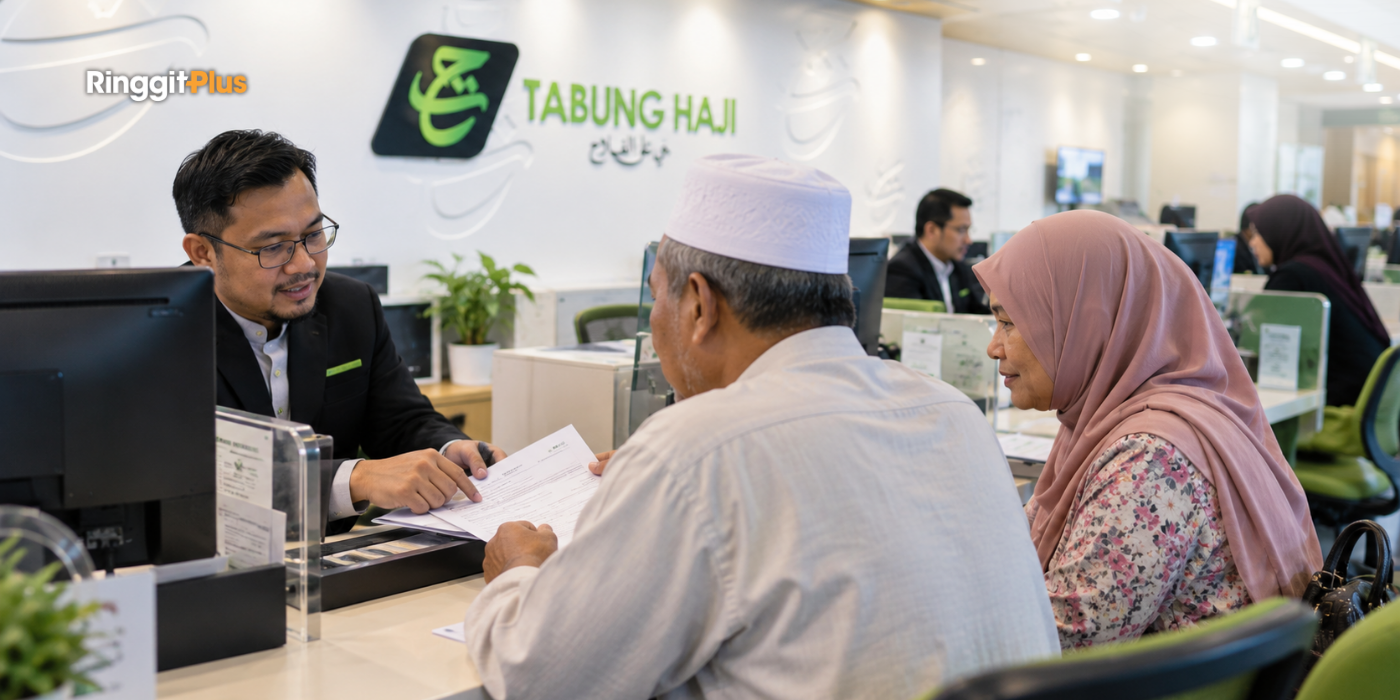
Salehuddin said MAIS will conduct Islamic estate management courses for EPF staff through Akademi Baitulmal MAIS. These sessions aim to equip frontline employees with accurate information so they can guide members on matters related to faraid, hibah, and other inheritance processes governed by shariah.
Expanding Awareness Of Shariah-Compliant Savings
The partnership will increase outreach efforts to promote the EPF Shariah Savings Account and encourage members to update or make nominations for their EPF savings. Salehuddin said these messages will be emphasised during Friday sermons at mosques across Selangor, allowing the information to reach a wider segment of the Muslim population.
Coordinated communication efforts between MAIS and EPF will also include promotional materials, advisory sessions, and community engagement programmes. These activities aim to strengthen the understanding of halal investment practices and the benefits of shariah-compliant retirement planning.
Both organisations will additionally highlight Baitulmal MAIS products and services, ensuring members have access to clear guidance on wealth distribution, asset management, and charitable giving under shariah principles.
Guidance On Nominations And Estate Matters
MAIS and EPF will conduct briefings, workshops, and discussions on matters related to Islamic estate processes. These include the eligibility of MAIS to be appointed as a nominee and the proper steps for documenting beneficiaries.
The sessions are intended to improve awareness of procedures that help ensure members’ wishes are honoured and to reduce complications that may arise during estate administration. Accurate nomination practices also help prevent delays and disputes after a member’s passing.
Encouraging Adoption Of Shariah-Compliant Products
Salehuddin explained that non-shariah-compliant funds include money derived from interest-bearing transactions, non-shariah-compliant dividends, stolen goods, bribes, lottery winnings, and conventional insurance.
He encouraged Muslims who still contribute to the EPF Conventional Savings Account to consider switching to the Shariah Savings Account so that dividends received are halal and permissible for use.
The Shariah Savings Account invests exclusively in shariah-compliant instruments, and its dividend rate is declared separately from the Conventional Account. EPF has stated previously that the shariah portfolio follows strict screening guidelines in line with resolutions by its Shariah Advisory Committee.
Participation Levels Among Muslim EPF Members
EPF chairman Tan Sri Mohd Zuki Ali said that of more than 1.55 million Muslim EPF members in Selangor, only 542,844, or 34.81%, are registered under the Shariah Savings Account.
He said the figures indicate significant potential for higher participation, particularly with structured support from community institutions such as MAIS.
EPF has noted that increased shariah participation can contribute to stronger long-term financial planning outcomes, especially when members understand how their savings are invested and how their retirement funds align with their personal beliefs.
Strengthening Financial Literacy And Long-Term Preparedness
The partnership reflects ongoing efforts by both organisations to enhance financial literacy and promote responsible financial management within the Muslim community. Shariah-compliant options remain an area of interest for many members, and targeted programmes can help ensure that they understand the implications of their financial choices.
MAIS and EPF have stated that continued cooperation will focus on education, accessibility, and clear guidance, supporting members as they plan for retirement, estate matters, and long-term financial security.
Follow us on our official WhatsApp channel for the latest money tips and updates.
Samuel writes about personal finance and financial news, focusing on how banking updates, policies, and promotions affect everyday money decisions. He enjoys making complicated financial topics easier to follow. Outside of writing, he spends his time watching TV shows and occasionally convincing himself he will only watch one episode.
00votes
Article Rating
SHARE
About THE AUTHOR
Samuel Chua
Samuel Chua
Samuel writes about personal finance and financial news, focusing on how banking updates, policies, and promotions affect everyday money decisions. He enjoys making complicated financial topics easier to follow. Outside of writing, he spends his time watching TV shows and occasionally convincing himself he will only watch one episode.
We provide weekly updates on every Friday at 5pm on the prices of RON95, RON97 and Diesel in Malaysia and a chart that shows the movement of fuel prices across a 6-week period. Bookmark this page now!







Comments (0)