Malaysia’s latest cash assistance plan is not expected to strain government finances, according to major credit rating agencies.
Fitch Ratings estimates that the newly introduced measures, including cash handouts and fuel-related support, will cost approximately RM2.3 billion, roughly 0.1% of the country’s gross domestic product (GDP). This amount is considered manageable within the upcoming Budget 2025, said Kathleen Chen, Associate Director of Fitch Ratings’ Sovereigns team.
Delays in Subsidy Reform Could Derail Deficit Targets
According to Chen, further delays or insufficient progress on subsidy rationalisation could undermine fiscal consolidation efforts and jeopardise the government’s goal of reducing the fiscal deficit to 3%of GDP by 2028.
If Malaysia fails to meet its fiscal targets, it could risk a downgrade in its sovereign credit rating. This would increase borrowing costs not only for the government, but also for businesses and individuals across the country.
Cash Handouts and Toll Freeze Among Announced Measures
The measures introduced by Prime Minister Datuk Seri Anwar Ibrahim include a one-off cash handout, lower prices for RON95 petrol, and a freeze on scheduled toll rate hikes. These steps are intended to help Malaysians cope with cost-of-living pressures.
The government has reiterated its intention to balance short-term assistance with longer-term reforms, though implementation details on fuel subsidy changes have yet to be finalised.
Credit Agencies: Ratings Stable, But Watchful
S&P Global Ratings also assessed the fiscal impact of the new measures, estimating that the cost would equal around 0.1% of GDP, a figure unlikely to materially affect the government’s overall fiscal position.
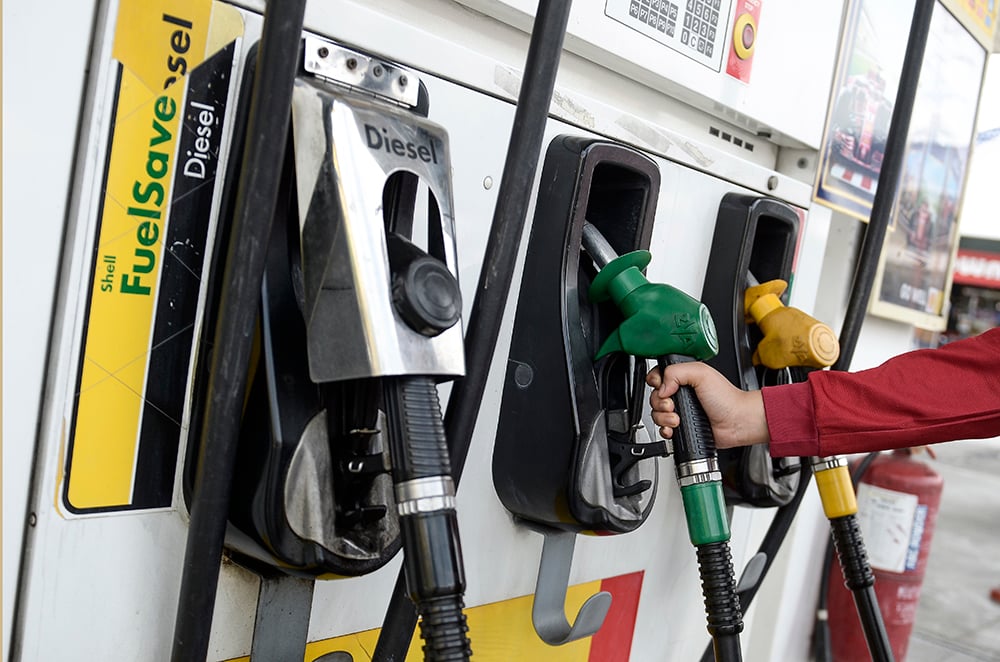
(Image: Focus Malaysia)
However, S&P’s Director Andrew Wood highlighted that the true fiscal impact of fuel subsidy reform will depend on the final structure of the plan, which has not been publicly detailed as of now.
Malaysia currently holds a BBB+ rating from Fitch, an A- from S&P, and an A3 rating from Moody’s, all with stable outlooks.
Long-Term Fiscal Reform Still in Focus
Malaysia has been running a fiscal deficit since the Asian Financial Crisis. The government is targeting a deficit of 3.8% of GDP in 2024, with a gradual reduction planned over the next few years.
Fuel subsidies make up a substantial portion of the government’s operating expenditure. Reforming these subsidies could help reduce dependency on revenue to finance recurring costs.
Under existing fiscal policy, Malaysia is only permitted to use borrowings for development expenditure, not for covering day-to-day operational spending.
What This Means for Malaysians
While the latest support measures are financially sustainable in the short term, analysts agree that structural reforms, particularly around fuel subsidies, remain critical to ensuring long-term fiscal health.
The outcome of these reforms could directly affect national credit ratings, which in turn impact interest rates, foreign investment confidence, and the cost of borrowing for households and businesses.
Follow us on our official WhatsApp channel for the latest money tips and updates.
Samuel writes about personal finance and financial news, focusing on how banking updates, policies, and promotions affect everyday money decisions. He enjoys making complicated financial topics easier to follow. Outside of writing, he spends his time watching TV shows and occasionally convincing himself he will only watch one episode.
Samuel writes about personal finance and financial news, focusing on how banking updates, policies, and promotions affect everyday money decisions. He enjoys making complicated financial topics easier to follow. Outside of writing, he spends his time watching TV shows and occasionally convincing himself he will only watch one episode.
We provide weekly updates on every Friday at 5pm on the prices of RON95, RON97 and Diesel in Malaysia and a chart that shows the movement of fuel prices across a 6-week period. Bookmark this page now!








Comments (0)