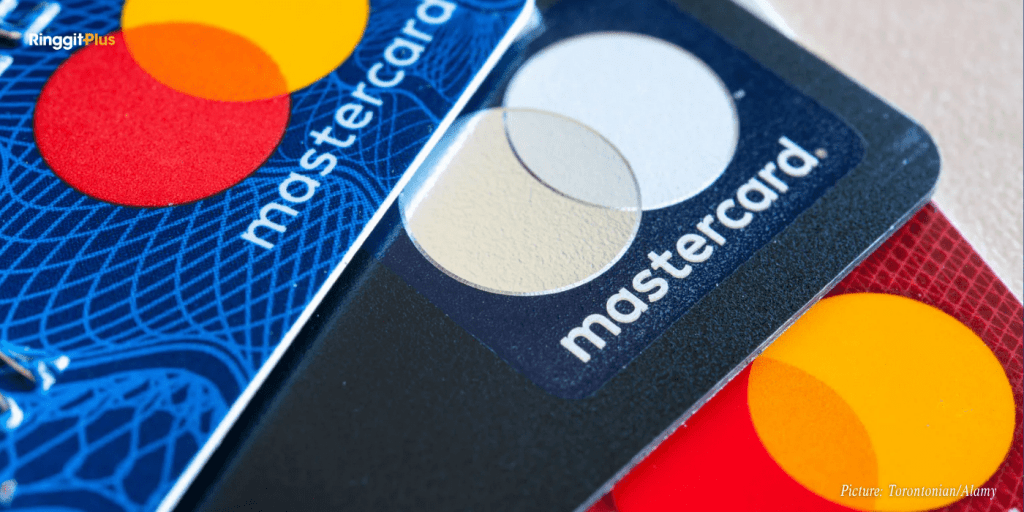
Mastercard has set a regional target to make online shopping across Asia Pacific password-free and number-free by 2030. The announcement was made at the Singapore FinTech Festival, where the company highlighted the growing adoption of secure tokenised payments.
More than one-third of Mastercard transactions worldwide are already tokenised, but achieving full adoption across Asia Pacific will require broad industry cooperation.
How Tokenisation Supports Safer And Faster Checkouts
Mastercard is working with banks, merchants, digital wallets, and technology providers to accelerate the use of tokenised payments supported by biometric authentication. Tokenisation replaces sensitive card numbers with secure, dynamic tokens. When paired with on-device biometrics, consumers can complete checkouts without typing card details or entering static passwords. This helps reduce errors, speeds up transactions, and strengthens protection against fraud.
India has already seen significant progress after collaboration between Mastercard, regulators, banks, and merchants to achieve near-complete tokenisation for e-commerce. Mastercard is now aiming for full adoption in Singapore, Malaysia, and Vietnam by 2027. These markets are central to Southeast Asia’s rapid digital growth, where digital payments are expected to make up 94% of e-commerce transactions by 2028 in a market valued at USD 325 billion.
Addressing Rising Fraud And Checkout Friction
Growth in online shopping has also brought higher risks. Card-not-present fraud remains considerably more common than in-store fraud, with global losses projected to surpass USD 100 billion by 2029. At the same time, consumer frustration is increasing. Around eight in ten online shoppers abandon their carts, and nearly half cite difficulties during checkout.
Mastercard’s approach focuses on minimising these friction points. By using secure tokens, biometric authentication, and Click to Pay, the company aims to streamline the checkout experience across devices and platforms while maintaining strong security standards.
Evidence From Markets Already Using Tokenisation
Where tokenisation has been implemented, approval rates have increased by up to 6%. Mastercard reports that this uplift represents more than USD 2 billion in additional monthly sales for merchants. The benefits extend across the payments ecosystem.
Merchants gain faster and more reliable transactions, which can improve customer satisfaction and support higher conversion rates.
Consumers enjoy simpler one-step payments with fewer declines and no need to remember passwords. Digital wallets connect seamlessly to a tokenised environment, providing a consistent experience at millions of Mastercard-accepted merchants worldwide.
According to Sandeep Malhotra, Executive Vice President of Core Payments for Asia Pacific at Mastercard, the goal is to create a unified, secure, and password-free checkout. He noted that as more industry partners adopt tokenisation and payment passkeys, approval rates continue to rise and fraud rates continue to fall.
Moving From Digital Payments To Intelligent Commerce
The evolution of payments is shifting from digital to intelligent, supported by AI, data, and increasingly interconnected systems. Improvements in tokenisation and authentication are laying the groundwork for agentic commerce, where trusted digital assistants can securely make purchases on behalf of consumers. These technologies are not the final stage but an essential foundation for future payment innovations that can bring new value to individuals and businesses.
Expanding On Global Success
Mastercard’s Asia Pacific roadmap builds on the company’s global Payment Passkey Service, which launched in India. The service introduced device-based biometric checkout for millions of shoppers in partnership with major banks and merchants. The results demonstrated how passkeys can improve both security and user experience. This momentum now supports Mastercard’s broader effort to deliver password-free and number-free payments across the region by 2030.
Follow us on our official WhatsApp channel for the latest money tips and updates.
Samuel writes about personal finance and financial news, focusing on how banking updates, policies, and promotions affect everyday money decisions. He enjoys making complicated financial topics easier to follow. Outside of writing, he spends his time watching TV shows and occasionally convincing himself he will only watch one episode.
00votes
Article Rating
SHARE
About THE AUTHOR
Samuel Chua
Samuel Chua
Samuel writes about personal finance and financial news, focusing on how banking updates, policies, and promotions affect everyday money decisions. He enjoys making complicated financial topics easier to follow. Outside of writing, he spends his time watching TV shows and occasionally convincing himself he will only watch one episode.
We provide weekly updates on every Friday at 5pm on the prices of RON95, RON97 and Diesel in Malaysia and a chart that shows the movement of fuel prices across a 6-week period. Bookmark this page now!




Comments (0)