Prime Minister Datuk Seri Anwar Ibrahim has announced the formation of a joint ministerial committee to address the growing challenges within Malaysia’s private healthcare sector, particularly the rising cost of medical services that has made access increasingly difficult for many citizens.
He described this as an issue that goes beyond economic management and directly concerns the well-being of the nation.
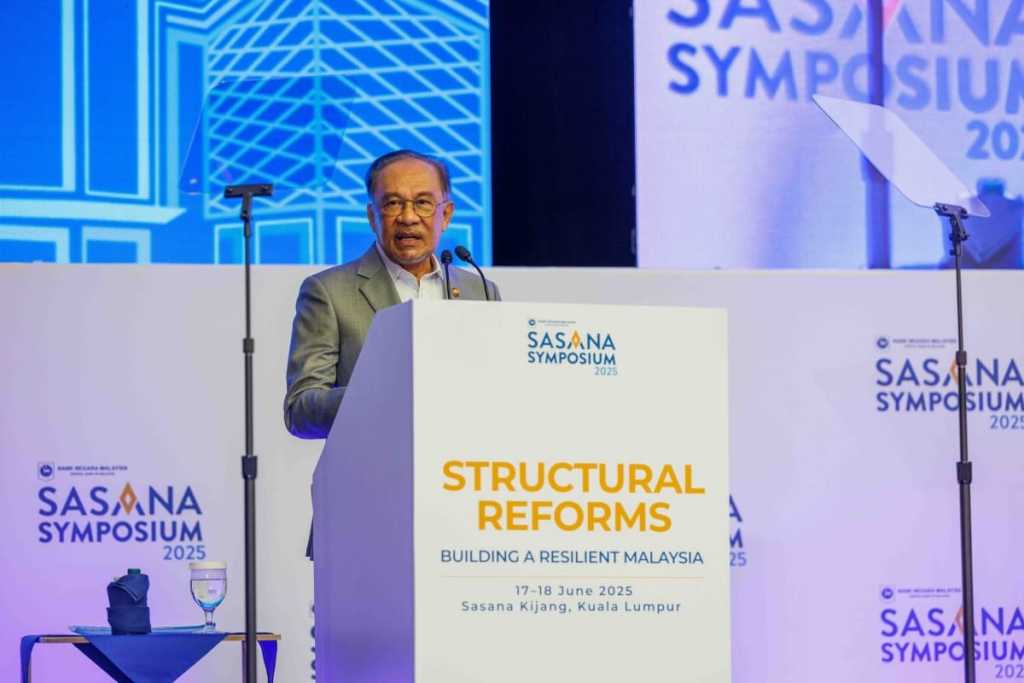
Speaking at Bank Negara Malaysia’s Sasana Symposium, Anwar said the new committee, comprising representatives from the Ministry of Finance and the Ministry of Health, will be tasked with ensuring that private healthcare becomes both affordable and accessible.
He added that this initiative marks the beginning of a broader shift toward a value-based healthcare system focused on outcomes, transparency, and fairness.
(Source: BNM)
The proposed reforms will include greater clarity in pricing, stronger use of digital healthcare platforms, and the introduction of more affordable coverage options such as a universal base medical insurance product.
Anwar said the government intends to make healthcare a pillar of national resilience, grounded in compassion, sound policy, and the needs of the rakyat. He pledged to personally oversee the progress of these changes.
In the same address, Anwar outlined Malaysia’s broader economic direction under the Madani Economic Framework. He said the country must remain adaptable, maintain strong institutions, and hold to a clear long-term vision if it is to achieve its goal of becoming a high-income nation.
The framework, according to Anwar, reflects a dual commitment. First, he said, Malaysia’s industrial policies must be updated to improve sectoral competitiveness, adopt digital technology, support green growth, and strengthen its position in global value chains. Second, the benefits of economic growth must be shared more widely, particularly with those in vulnerable and underserved communities.
(Source: BNM)
He also identified five key areas that underpin the reform agenda, namely fiscal sustainability and sound governance, rationalisation of subsidies, tax reform, development of human capital, and institutional integrity. Anwar described this as a whole-of-nation effort that requires coordination, discipline, and long-term commitment across all sectors of society.
Anwar stressed that Malaysia can no longer delay structural reforms, particularly in the areas of targeted fuel subsidies and taxation. He said blanket fuel subsidies, especially for RON95, have mostly benefited wealthier individuals and even foreign nationals, while placing a strain on public finances. These resources, he argued, should be redirected to those who need them most.
“We must act with purpose and responsibility to build an economy that is more resilient, more just, and better prepared for the future,” he said.
Insider Insights
“With medical costs rising at more than double the global average (12.6% vs 5.6% in 2023), the government is forced to act. BNM’s move to impose a 10% limit on medical insurance premiums for the vast majority of policy holders is a step in the right direction, but the government must get to the root cause of the medical cost inflation at private hospitals.” – Siew Yuen Tuck, Group CEO, RinggitPlus
Samuel writes about personal finance and financial news, focusing on how banking updates, policies, and promotions affect everyday money decisions. He enjoys making complicated financial topics easier to follow. Outside of writing, he spends his time watching TV shows and occasionally convincing himself he will only watch one episode.
Samuel writes about personal finance and financial news, focusing on how banking updates, policies, and promotions affect everyday money decisions. He enjoys making complicated financial topics easier to follow. Outside of writing, he spends his time watching TV shows and occasionally convincing himself he will only watch one episode.










Comments (0)