A viral video showing a couple filling large amounts of subsidised RON95 fuel has put the spotlight back on how fuel subsidies are being used, and on what can happen when those rules are broken.
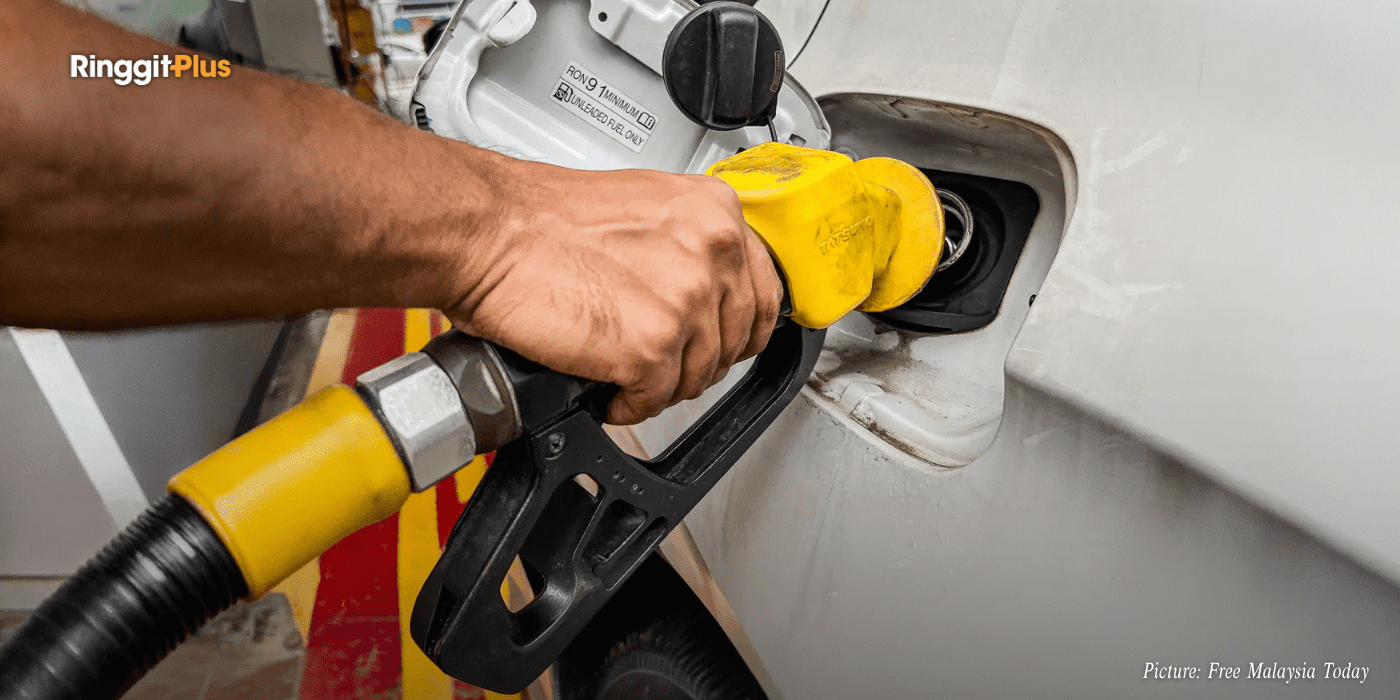
In the clip, which was said to have been recorded at a Petronas station in Skudai, Johor, the couple appeared to pump nearly RM230 worth of RON95 into several jerry cans before filling up the car’s fuel tank as well.
For ordinary drivers, the issue is not only about one incident. It also reflects how subsidy abuse can add pressure to a fuel support system that is already becoming more expensive to maintain.
Large Quantity Refills Drew Enforcement Attention
The finance ministry said the car owner’s MyKad will be blocked following the incident, describing the act as a clear misuse of subsidised fuel.
According to the ministry, filling subsidised RON95 in large quantities in this way is illegal and counts as an abuse of the subsidy system. It added that enforcement will be tightened to curb similar cases.
This means fuel subsidy rules are being treated more seriously at a time when the government is trying to limit leakages and keep support targeted.
Fuel Subsidies Are Becoming More Costly To Maintain
The case comes as fuel prices are facing fresh pressure from global events, particularly the ongoing conflict in the Middle East.
Iran’s restriction of passage through the Strait of Hormuz has raised concerns because more than half of Malaysia’s oil supply moves through that route. When supply risks increase, fuel costs can rise quickly, and that places more strain on public spending if subsidised prices are kept in place.
The government estimates that maintaining current subsidised fuel prices would raise its monthly fuel subsidy bill to RM3.2 billion, made up of RM2 billion for RON95 and RM1.2 billion for diesel. Diesel remains subsidised in East Malaysia.
Rising Fuel Costs Increase Pressure On Public Spending
Over the past two weeks, the price of RON97 petrol has increased by RM1.30, while diesel in Peninsular Malaysia has gone up by RM1.60. The price of non-subsidised RON95 has also risen by 60 sen.
When unsubsidised fuel becomes more expensive, the gap between market prices and subsidised prices grows wider. That makes misuse more costly to the government, because every litre used outside the intended purpose adds to the subsidy bill.
This also helps explain why enforcement is likely to become more visible. The more expensive global fuel becomes, the harder it is to absorb leakages without affecting public finances.
Tighter Enforcement Reflects A Wider Cost Of Living Issue
For households, the bigger issue is that fuel subsidies are not only about petrol station rules. They also affect transport costs, delivery charges, and the price of everyday goods.
If subsidy leakages continue while global oil prices stay elevated, the cost of maintaining those subsidies rises further. That can limit how long broad support can be sustained at the same level, especially when the government is already spending heavily to keep prices stable.
The latest case shows how individual misuse can feed into a larger cost of living problem. While most drivers use subsidised fuel as intended, cases like this draw attention because they come at a time when subsidy costs are rising and controls are expected to tighten.
Follow us on our official WhatsApp channel for the latest money tips and updates.
Samuel writes about personal finance and financial news, focusing on how banking updates, policies, and promotions affect everyday money decisions. He enjoys making complicated financial topics easier to follow. Outside of writing, he spends his time watching TV shows and occasionally convincing himself he will only watch one episode.
00votes
Article Rating
SHARE
About THE AUTHOR
Samuel Chua
Samuel Chua
Samuel writes about personal finance and financial news, focusing on how banking updates, policies, and promotions affect everyday money decisions. He enjoys making complicated financial topics easier to follow. Outside of writing, he spends his time watching TV shows and occasionally convincing himself he will only watch one episode.
We provide weekly updates on every Friday at 5pm on the prices of RON95, RON97 and Diesel in Malaysia and a chart that shows the movement of fuel prices across a 6-week period. Bookmark this page now!







Comments (0)