Shifting Towards Renewable Energy For The Future Of Malaysia

Lisa Ameera Azman
30th November 2021 - 4 min read
When it comes to climate change, anyone from scientists, engineers, nature photographers, and activists, to those who may not necessarily be closely working on the subject come together to discuss its global implications on future generations, nature, as well as green solutions that can help mitigate its impact.
Renewable energy is frequently considered as a measure the world can make to mitigate the worst effects of rising temperatures. Why? Because renewable energy sources like solar and wind do not create carbon dioxide or other greenhouse gases, which contribute to global warming.
To realise Malaysia’s vision of shifting from using fuel to 31% renewable energy (RE) by 2025, the national grid must be ready to receive RE to support dynamic two-way energy flows while maintaining voltage stability, Deputy Energy and Natural Resources Minister Datuk Ali Biju said.
A Smarter, Greener Path Paved By TNB
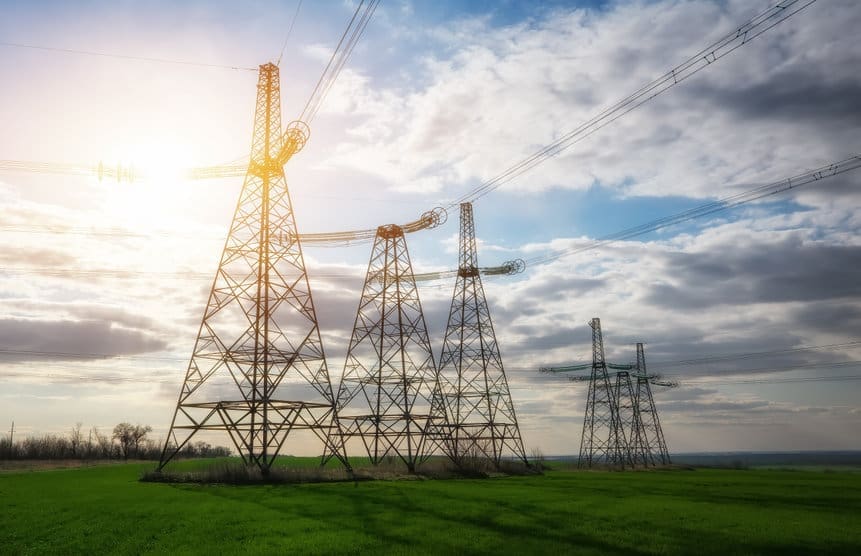
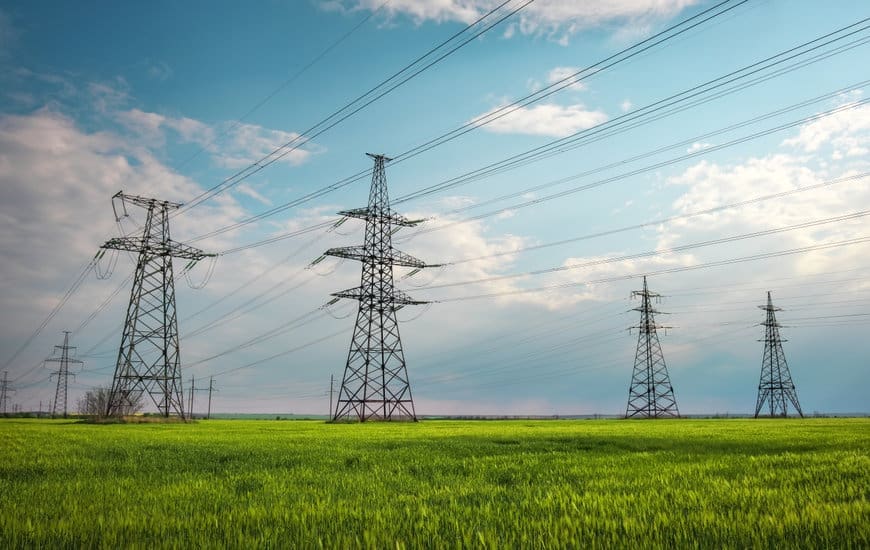
The national grid, made up of a vast band of cables spanning from tall towers along many of our highways, is how electricity is transported to all states, districts, and villages in the country.
Tenaga Nasional Berhad (TNB) plans on modernising the national grid into a smart grid that’s not only automated, but also digitally enabled for maximum efficiency, reliability, and sustainability.
Upon completion, the smart grid would be able to reutilise excess energy from power plants, solar farms, or any other source, so it can be received and supplied to other users. This would mean that the supplier and consumer would be able to communicate to one another, cater to their changing needs, and choose which energy is best suited to avoid wastage of resources as well as costs.
The Grid Of The Future

Deemed the “grid of the future”, monitors and sensors installed along the grid will be able to detect flaws and alert engineers, who will then be able to remotely repair the issues or use drones to help mend errors. Power can even be redirected to areas that are likely to have disruptions or power trips, ultimately avoiding common problem locations.. The chances of massive blackouts occurring in the future are low, as issues are anticipated to be resolved in a matter of minutes.
As electricity would be stored and distributed when required, customers can even form their very own micro grids. For example, within a large neighbourhood, they could disconnect from the main grid and instead, become self-sustaining and rely on their own energy source.
In order to consume less energy, the grid is complemented with smart meters that have already been installed in many residential homes nationwide. There were 1.2 million smart meters installed in Peninsular Malaysia as of May 2021 and by 2027, it is expected that the number of installed meters will reach 9.1 million.
The smart meters may seem like they don’t do much but in reality, users are given the avenue to monitor their electricity usage from the tip of their fingers and monitor accordingly.
Driving Clean Energy On A Wide Scale
The grid has played an important role in TNB’s energy transformation, and the company is investing heavily in the national grid to improve its capacity to reliably and efficiently support the growing generation of renewable energy by its consumers.
“We are undertaking investments to address climate change issues while doing what is necessary to help stimulate and reshape the country’s economic recovery,” TNB chief regulatory and stakeholder management officer Datuk Wira Roslan Ab Rahman said.
He also adds that TNB aims to enhance the industry’s efficiency and improve customer experience while promoting sustainable energy consumption to balance the capability and security of Malaysia’s grid system.
“TNB is also ready to lead Malaysia’s transition into low-carbon mobility, especially via battery electric vehicles, through collaborative efforts with various stakeholders in the country,” Roslan shared.
TNB plans to invest RM27 billion in their Grid of the Future technologies between 2021 and 2023, with money flowing towards essential core renovations and expansions. The company hopes to generate an estimated RM20 billion in GDP while also creating over 300,000 jobs.
To find out more about Tenaga Nasional Berhad’s Grid of the Future, click here.
About THE AUTHOR
Lisa Ameera Azman
Most Viewed Articles
Most Viewed Articles

Sponsored
Get Up To RM200,000 Critical Illness Takaful Protection With Your CIMB Salary Account
Picture this: you are 38, mid-career, with a home loan, a car, and two kids in school. At […]

Sponsored
How To Make Your CIMB Credit Card/-i Work Double Time
Most of your monthly spending goes to things you barely think about. Fuel stops between commutes, parking that […]

Sponsored
The MAE Tiger Is On The Move, And There’s A Reason It’s Everywhere
Have you seen the Tigers out and about lately? They have been turning up in some unlikely places, […]

Sponsored
Your GrabCoins Are Worth More Than You Think
Most people who use Grab regularly are sitting on a pile of GrabCoins without ever spending them. The […]



Comments (1)
We are all waiting for the 132kV selco guideline to come out