



































































































What Is A No Annual Fee Credit Card?
A no-annual-fee credit card lets you own a credit card without paying a yearly card fee. You can still enjoy benefits such as cashback, reward points, air miles, or other privileges depending on the card.
However, not every no annual fee credit card works the same way. Some cards are free for life with no annual fee conditions, while others waive the fee only after you meet certain requirements, such as a minimum number of transactions or spending amount.
For example, a card with an RM150 annual fee would cost RM750 over five years if the fee is charged every year. Choosing a card with no annual fee or meeting the waiver conditions can help you save on this cost.
The annual fee is only one part of choosing a credit card. You should also compare the card's rewards, cashback limits, eligibility requirements, and other fees to understand its overall value.
Who Should Choose a No Annual Fee Credit Card?
A no annual fee credit card can be a good choice if you want to minimise the cost of owning a credit card while still earning rewards on your spending. It may be suitable if you:
- Are applying for your first credit card.
- Use your credit card occasionally and don't want to pay a yearly fee.
- Want cashback, reward points or other benefits without additional annual costs.
- Need a secondary credit card for emergencies, online shopping or travel.
If you regularly spend enough to qualify for annual fee waivers or can make full use of premium travel and lifestyle benefits, a credit card with an annual fee may provide better overall value.
Free-for-Life Vs Annual Fee Waiver Credit Cards
Free-for-life credit cards do not charge an annual fee under their standard terms, while cards with annual fee waivers require you to meet the bank’s stated conditions to avoid the charge.
| Feature | Free-for-Life Credit Card | Credit Card With Annual Fee Waiver |
|---|---|---|
| Annual fee | No annual fee under the card’s standard terms | Annual fee applies unless you meet the waiver conditions |
| Requirements | No spending or transaction target to waive the annual fee | May require a minimum number of eligible transactions or a minimum annual spend |
| Best suited for | Cardholders who want to avoid annual fees without tracking waiver targets | Cardholders whose usual spending meets the waiver conditions |
Before applying, check whether the annual fee waiver is automatic or conditional, which transactions qualify, and what happens if you miss the requirement. Avoid spending more than you normally would just to qualify for a waiver, as the extra spending could cost more than the annual fee saved.
No Annual Fee Does Not Mean No Other Charges
A credit card without an annual fee can still come with other charges. In Malaysia, a RM25 service tax applies to each principal and supplementary credit card when it is issued and on subsequent annual renewals. This tax is separate from the bank’s annual fee. The Royal Malaysian Customs Department confirms the RM25 service tax for credit and charge cards.
Other charges may include finance charges on unpaid balances, late payment charges, cash advance fees and foreign currency transaction fees. These depend on the card’s terms and how you use it.
Check the full fee schedule before applying. A card with no annual fee can reduce your cost of ownership, but it does not make every transaction free.
Are No Annual Fee Credit Cards Worth It?
A no-annual-fee credit card can be a good choice if you want to earn rewards without paying a yearly card fee. However, the best option depends on how you use your card and which benefits you need.
If you mainly use your card for everyday spending, a no-annual-fee option may offer enough value without adding to your costs. If you travel often or spend enough to benefit from premium rewards, a card with an annual fee may be worth comparing.
Compare The Annual Fee Against Your Rewards
Compare the rewards you expect to earn with the annual fee you would pay. For example, suppose you are choosing between two cards with the following annual fees and cashback.
| Feature | Card A | Card B |
|---|---|---|
| Annual fee | RM150 | RM0 |
| Cashback earned in a year | RM100 | RM80 |
| Cashback minus annual fee | -RM50 | RM80 |
Based on these figures, Card B leaves you RM130 better off over the year before accounting for other fees or differences in benefits. Card A would need to provide at least RM130 more in additional value to match Card B.
This example assumes you earn the stated cashback and excludes service tax, which may apply to both cards. It also does not account for other fees or benefits that could change the comparison.
Use your usual spending to estimate the cashback or rewards you can earn. Check the monthly cashback cap, minimum spending requirement and eligible transactions before comparing cards.
Choose a card based on the benefits you can use regularly, rather than the annual fee alone.
Best Free-for-Life Credit Cards in Malaysia 2026
Free-for-life credit cards do not charge annual fees without requiring you to meet spending or transaction conditions.
These cards can be suitable if you want a simple card to maintain, use your credit card occasionally, or prefer not to track annual fee waiver requirements.
| Credit Card | Best For | Main Benefits |
| AmBank Cash Rebate Visa Platinum | Everyday spending | Cashback on selected retail categories |
| Alliance Bank Visa Virtual Credit Card | Online spending | Rewards points for digital transactions |
| BSN Al-Aiman Gold Credit Card | Rewards collection | Rewards points on eligible local and overseas spending |
| Maybank Islamic myimpact Ikhwan Mastercard Platinum Credit Card-i | Islamic credit card users | Cashback and rewards on eligible spending |
A free-for-life credit card removes the yearly card fee, but the overall value still depends on how you use the card. Compare cashback categories, reward conditions and other charges before applying.
Best Credit Cards With Annual Fee Waivers
Some credit cards waive their annual fees only when you meet specific spending or transaction requirements. These cards may suit you if your usual spending meets the conditions without requiring you to spend more than planned.
Check the waiver period and qualifying transactions before applying. A card may offer a first-year waiver but charge an annual fee in later years if you do not meet the bank’s requirements.
| Credit Card | Annual Fee Waiver | Main Benefit |
| RHB Shell Visa Credit Card | Waived for the first year. From the second year onwards, make at least 24 swipes per year to qualify for the waiver. | Cashback on Shell petrol and selected spending |
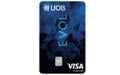
| UOB EVOL Card | The RM7.50 monthly fee is waived when you make at least one eligible retail transaction per statement month. The fee is also waived for the first 12 months. | Cashback on selected spending categories |
| AFFIN Duo Mastercard Rewards | Waived for the first three years. From the fourth year onwards, make at least 12 retail transactions per year to qualify for the waiver. | Rewards points on dining, groceries and petrol |
| Alliance Bank Visa Signature | First-year waiver applies. Subsequent annual fees may be waived with RM12,000 in annual spending, unless you qualify for a lifetime waiver through an eligible Alliance Bank customer category. | Cashback on selected spending categories |
| HSBC TravelOne Credit Card | Waived for the first year. From the second year onwards, spend at least RM20,000 on eligible retail transactions within the 12 months before the annual fee date. | Travel rewards and privileges |
A credit card with an annual fee waiver is not automatically less valuable than a free-for-life card. If you can meet the waiver requirements naturally, you may still enjoy the card benefits without paying the yearly fee.
How To Choose The Best No Annual Fee Credit Card
Choose a no-annual-fee credit card based on its fee conditions, rewards and spending requirements, rather than the annual fee alone.
Check The Annual Fee Policy
Confirm whether the card is free for life or waives its annual fee only when you meet certain conditions. If a waiver depends on spending or transaction targets, check the exact requirements and what happens if you miss them.
Match The Rewards To Your Spending
Choose a card that rewards expenses you already have, such as groceries, petrol, dining or online shopping. Check the cashback rate, monthly cap, minimum spend and eligible transactions to estimate how much you could earn.
For example, a card offering 5% cashback may not give you the best return if it has a low monthly cap or excludes the transactions you make most often.
Review The Reward Conditions
Some cards exclude certain transactions from cashback or reward points. Others limit rewards to specific merchants or spending categories. Check whether reward points expire and whether you need to meet a minimum spend before you can earn rewards.
Check Other Fees And Charges
A card without an annual fee may still have other costs. These can include the RM25 service tax charged annually for each principal and supplementary credit card, finance charges on unpaid balances, late payment charges, cash advance fees and foreign currency transaction fees.
Compare these costs alongside the card’s benefits. You can also compare credit cards on RinggitPlus to review their fees, rewards and eligibility requirements.
Frequently Asked Questions
Can I get a no-annual-fee credit card with no income?
Not necessarily. Most credit cards in Malaysia have a minimum income requirement, even if they do not charge an annual fee. Some entry-level cards have lower requirements than premium cards. Check the bank’s minimum income requirements and eligibility criteria before applying.
Will cancelling my credit card affect my credit score?
It depends on your credit profile and how closing the account affects your available credit and credit utilisation. Your repayment history and other credit commitments also influence how lenders assess you. Before cancelling, check whether you have outstanding balances, recurring payments or pending transactions on the card. Read our guide on how to cancel a credit card in Malaysia before closing your account.
Can I keep a no-annual-fee credit card without using it?
You may be able to, but check the bank’s terms on inactive accounts. A bank may suspend or close a card that remains unused for an extended period. If you plan to keep the card as a backup, monitor your statements and account notifications for any changes.
Can I have more than one no-annual-fee credit card?
Yes, if you meet each bank’s eligibility requirements and your applications are approved. Having several cards can help you access different benefits, but each card adds another credit limit and payment date to manage. Read our guide on how many credit cards you should have before applying for another card.
Can a supplementary cardholder build their own credit history?
A supplementary credit card is linked to the principal cardholder’s account, and the principal cardholder remains responsible for repayments. Do not assume that using a supplementary card will build your credit history in the same way as holding a principal credit card. Contact the bank to confirm how supplementary-card activity is reported to credit reporting agencies.
What should I do if my bank charges an annual fee on a card advertised as free for life?
Check your card’s terms and the fee entry on your statement first. If the card was advertised as having no annual fee for life, contact the bank and ask why the charge was applied. Keep a copy of the original offer and any relevant correspondence. If the issue remains unresolved, ask the bank about its formal complaint process.
Compare and Apply for No Annual Fee Credit Cards
A no annual fee credit card can help you save on yearly card fees while still giving you access to benefits such as cashback, rewards or travel privileges.
Before applying, compare whether the card is free for life or requires an annual fee waiver. You should also check the card's benefits, eligibility requirements, and conditions to find one that fits how you plan to use it.
Compare no-annual-fee credit cards on RinggitPlus and apply online when you find a card that suits your needs.