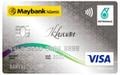
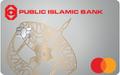
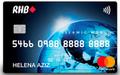
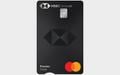



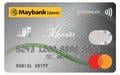
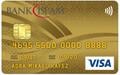
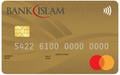
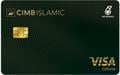
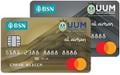
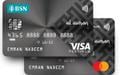
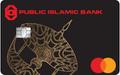
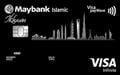


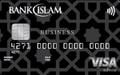

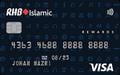



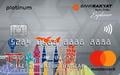
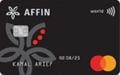
What Is An Islamic Credit Card?
An Islamic credit card is a Shariah-compliant credit card that allows you to make purchases, earn rewards, and manage payments without using a conventional interest-based structure.
Instead of charging interest (riba), Islamic credit cards use approved Shariah contracts such as Tawarruq (Commodity Murabahah), where the bank earns an agreed profit through a sale transaction.
For everyday use, an Islamic credit card works similarly to a conventional credit card. You receive a credit limit, use your card for payments, receive monthly statements, and repay your outstanding balance. Depending on the card, you can also enjoy benefits such as cashback, reward points, air miles, instalment plans, and travel privileges.
Quick Facts About Islamic Credit Cards
Islamic credit cards follow Shariah-compliant financing principles, but many features are similar to conventional credit cards. The biggest difference is how the financing arrangement and charges are structured.
| Question | Answer |
| Can non-Muslims apply for Islamic credit cards? | Yes. Islamic credit cards are available to anyone who meets the bank’s eligibility requirements. |
| Do Islamic credit cards charge interest? | No. Islamic credit cards use Shariah-compliant structures with applicable profit charges instead of conventional interest. |
| Do Islamic credit cards offer rewards? | Yes. Many Islamic credit cards offer cashback, reward points, air miles, and other benefits depending on the card. |
| Can Islamic credit cards be used overseas? | Yes. Islamic credit cards under major payment networks can generally be used overseas. Foreign transaction fees may apply. |
| Are Islamic credit cards cheaper than conventional cards? | Not necessarily. Compare the fees, profit rates, rewards, and benefits before choosing a card. |
How Does An Islamic Credit Card Work?
An Islamic credit card works by giving you access to a credit limit that you can use for purchases. You then repay the amount spent based on your monthly statement.The difference is the financing structure behind the card. Many Islamic credit cards in Malaysia use Tawarruq, a Shariah-compliant arrangement involving the buying and selling of commodities. Through this structure, the bank earns an agreed profit instead of charging conventional interest.
For cardholders, the experience remains similar. You can use your Islamic credit card for online shopping, bills, retail purchases, subscriptions, and overseas transactions.
If you settle your full statement balance before the due date, you generally avoid additional profit charges. If you carry an outstanding balance, profit charges and other applicable fees may apply according to your card’s terms and conditions.
Islamic Credit Card vs Conventional Credit Card
Islamic and conventional credit cards work similarly for everyday spending, but they use different financial structures.
| Feature | Islamic Credit Card | Conventional Credit Card |
| Financing structure | Uses Shariah-compliant contracts such as Tawarruq | Uses interest-based lending |
| Charges | Profit charges based on the card terms | Interest or finance charges based on the card terms |
| Rewards | May offer cashback, reward points, air miles, and other benefits | May offer cashback, reward points, air miles, and other benefits |
| Insurance benefits | May include Takaful coverage depending on the card | May include conventional insurance benefits |
| Eligibility | Available to eligible applicants regardless of religion | Available to eligible applicants |
The main difference is not how you use the card daily, but how the bank structures the financing behind it.
Common Islamic Credit Card Terms
Understanding these common Islamic finance terms can help you compare Islamic credit cards more confidently.
Tawarruq (Commodity Murabahah)
A Shariah-compliant financing arrangement commonly used for Islamic credit cards in Malaysia. The bank purchases and sells Shariah-compliant commodities at an agreed profit to create the financing facility without using a conventional interest-based loan.
Profit Charge
The charge that may apply when you carry an outstanding balance after your payment due date. Unlike a conventional credit card, the charge is based on the card's Shariah-compliant financing structure rather than interest.
Ta'widh
A compensation charge that may be imposed for late payment, subject to Bank Negara Malaysia's Shariah requirements and the card's terms and conditions.
Ibra'
A rebate or reduction in the amount payable that may be granted under certain circumstances, in accordance with the card's terms and the bank's Shariah requirements.
Takaful
A Shariah-compliant form of protection based on mutual assistance. Some Islamic credit cards include Takaful benefits, such as travel protection or outstanding balance coverage, depending on the card.
Best Islamic Credit Cards in Malaysia
The best Islamic credit card depends on your spending habits and the benefits you use most. Compare the rewards, fees, eligibility requirements, and card features to understand which option gives you the most value.
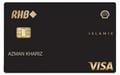
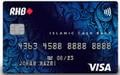
RHB Islamic Cash Back Credit Card-i
The RHB Islamic Cash Back Credit Card-i may suit users who spend regularly across daily categories such as groceries, petrol, dining, and online purchases. Its value depends on whether your usual expenses match the eligible cashback categories and requirements.
| Feature | Details |
| Rewards | Up to 10% cashback on eligible spending categories |
| Key Benefits | Cashback on selected everyday expenses such as petrol, groceries, dining, utilities, and online spending |
| Annual Fee and Eligibility |
|
| Best For | Users looking for cashback from regular monthly expenses |
HSBC Amanah MPower Platinum Credit Card-i
The HSBC Amanah MPower Platinum Credit Card-i may suit users who consistently spend in its eligible cashback categories. Check the minimum spend requirement and cashback cap to understand your actual returns.
| Feature | Details |
| Rewards | Up to 8% cashback on eligible spending categories |
| Key Benefits | Cashback benefits on selected categories such as petrol, groceries, eWallet, and qualifying spending |
| Annual Fee and Eligibility |
|
| Best For | Users who can meet spending requirements to maximise cashback |
Bank Islam Visa Infinite Credit Card-i
The Bank Islam Visa Infinite Credit Card-i may suit frequent travellers who can make use of its travel privileges. The value comes from benefits beyond everyday rewards, so consider whether the travel features match your lifestyle.
| Feature | Details |
| Rewards | Cashback or rewards on eligible spending based on the latest card benefits |
| Key Benefits | Airport lounge access, travel privileges, and Takaful coverage |
| Annual Fee and Eligibility |
|
| Best For | Frequent travellers who can maximise travel-related benefits |
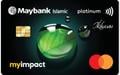
Maybank 2 Platinum Cards
The Maybank 2 Platinum Cards may suit users who want both cashback and reward points from their spending. Since the card comes with two cards, the value depends on using the right card for the right transactions to maximise the available benefits.
| Feature | Details |
| Rewards | Earn TreatsPoints on eligible spending and cashback on selected transactions |
| Key Benefits | Combines rewards collection with cashback benefits, giving users more flexibility based on their spending habits |
| Annual Fee & Eligibility |
|
| Best For | Users who want a mix of cashback and reward points instead of focusing on one reward type |
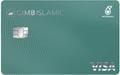
CIMB PETRONAS Platinum-i Credit Card
The CIMB PETRONAS Visa Platinum-i Credit Card is a practical option if fuel makes up a regular part of your monthly expenses. Its main value comes from earning cashback on PETRONAS spending, so compare your average fuel usage with the cashback requirements and caps to understand your actual savings.
| Feature | Details |
| Rewards | Up to 12% cashback on PETRONAS spending and selected categories, subject to spending requirements and cashback limits |
| Key Benefits | Earn savings on fuel expenses while still getting cashback from other eligible everyday spending categories |
Annual Fee & Eligibility |
|
| Best For | Drivers who frequently refuel at PETRONAS and want a Shariah-compliant petrol cashback card |
Islamic Credit Card Fees And Profit Rates
Islamic credit cards do not charge conventional interest, but you may still need to pay fees depending on how you use your card.
The main cost to understand is the profit charge, which applies when you carry an outstanding balance after your payment due date. Paying your full statement balance on time helps you avoid these charges.
Other fees to check include the annual fee, late payment charge, cash advance fee, and foreign transaction fee. Some cards offer annual fee waivers when you meet certain spending or usage requirements.
Before applying, compare the total cost of the card against the rewards and benefits you expect to use.
Are Islamic Credit Cards Better Than Conventional Credit Cards?
Islamic credit cards are not automatically better or cheaper than conventional credit cards. The better option depends on your financial needs, spending habits, and preferred banking structure.
An Islamic credit card may be suitable if you prefer a Shariah-compliant product while still having access to common credit card features.
However, you should compare each card individually because rewards, fees, eligibility requirements, and benefits differ between banks.
Common Misconceptions About Islamic Credit Cards
Islamic credit cards are sometimes misunderstood because they follow a different financial structure. However, daily usage is usually more familiar than many people expect.
Islamic credit cards work differently when making payments
Although Islamic credit cards use Shariah-compliant structures, you can still use them for online shopping, retail payments, bills, subscriptions, and overseas transactions.
Islamic credit cards have no charges
Islamic credit cards do not charge conventional interest, but they are not free to use. Profit charges, annual fees, late payment charges, and other fees may still apply.
Islamic credit cards have fewer rewards
Many Islamic credit cards offer cashback, reward points, air miles, and travel privileges. The benefits depend on the specific card.
Choosing any Islamic credit card gives you the same benefits
Islamic credit cards differ in rewards, fees, income requirements, and additional benefits. Comparing cards helps you choose one that matches your spending habits.
Islamic Credit Card Requirements In Malaysia
Eligibility requirements vary by bank and credit card, but applicants generally need to meet the following criteria before applying:
- Be at least 21 years old to apply for a principal credit card.
- Meet the card's minimum monthly income requirement, which differs between entry-level and premium cards.
- Provide proof of identity and income, such as a MyKad or passport together with supporting income documents requested by the bank.
- Pass the bank's credit assessment, which may take into account your income, existing financial commitments and repayment history.
If you're self-employed, the bank may also request additional documents, such as recent bank statements, income tax documents or other proof of income, depending on its application requirements.
Before applying, check the card's eligibility criteria and required documents to help avoid delays during the application process.
How To Apply For An Islamic Credit Card
You can apply for an Islamic credit card online after comparing available cards and checking that you meet the bank’s requirements.
To apply:
- Compare Islamic credit cards based on rewards, fees, profit rates, and benefits.
- Check the minimum income requirement and eligibility criteria.
- Prepare your supporting documents.
- Submit your application online and wait for bank approval.
When you apply through RinggitPlus, you can compare different Islamic credit cards, review the latest benefits, and check available sign-up offers before submitting your application.
Compare Islamic Credit Cards In Malaysia
Islamic credit cards offer the same rewards and payment convenience as conventional cards, with transparent fee structures that avoid compounding interest. When you apply through RinggitPlus, you're often eligible for exclusive sign-up gifts upon approval.
Not sure which card fits your spending pattern? Use our Credit Card Recommendation Tool to get personalized suggestions based on your monthly spend and category preferences.
Frequently Asked Questions (FAQs)
What happens if I miss my Islamic credit card payment?
If you miss your payment, a late payment charge may apply based on your outstanding balance, subject to Bank Negara Malaysia’s guidelines. Late or missed payments may also affect your credit record, which can influence future applications for loans or other credit products.
Can I withdraw cash from an Islamic credit card?
Yes. Many Islamic credit cards allow cash withdrawals through cash advance facilities. However, cash advance fees and profit charges usually apply immediately, making it more expensive than regular card transactions.
If you need longer-term financing, compare other options such as personal loans before using a credit card cash advance.
Do Islamic credit cards include Takaful protection?
Some Islamic credit cards include Takaful benefits such as travel coverage or outstanding balance protection, but this depends on the card type.
Premium Islamic credit cards usually provide higher coverage compared to entry-level cards. Check the Product Disclosure Sheet (PDS) to understand what protection is included.
Can I pay zakat using an Islamic credit card?
Some banks allow zakat payments through Islamic credit cards, online banking platforms, or supported payment channels. Availability depends on your bank and the zakat collection body.
How do banks ensure Islamic credit cards are Shariah-compliant?
Islamic credit cards are reviewed by Shariah committees to ensure the product structure follows Islamic finance principles.
In Malaysia, Islamic financial institutions are also guided by Shariah governance requirements set by Bank Negara Malaysia.
Can I transfer my conventional credit card balance to an Islamic credit card?
Yes. Some banks offer Shariah-compliant balance transfer facilities that allow you to move an outstanding balance from another credit card.
Compare the profit rate, fees, repayment period, and terms before applying for a balance transfer plan.
Will an Islamic credit card affect my CCRIS record?
Yes. Islamic credit cards can appear in your CCRIS report, similar to conventional credit cards. Your repayment history and outstanding balance may affect how banks assess future credit applications.
What should I do if my Islamic credit card application is rejected?
If your application is rejected, review possible reasons such as income requirements, existing commitments, credit history, or incomplete documents.
Improving your repayment record and reducing existing commitments may improve your chances before applying again.