More Malaysians Want Independence, Not Inheritance, In Later Life

RinggitPlus
19th August 2026 - 5 min read
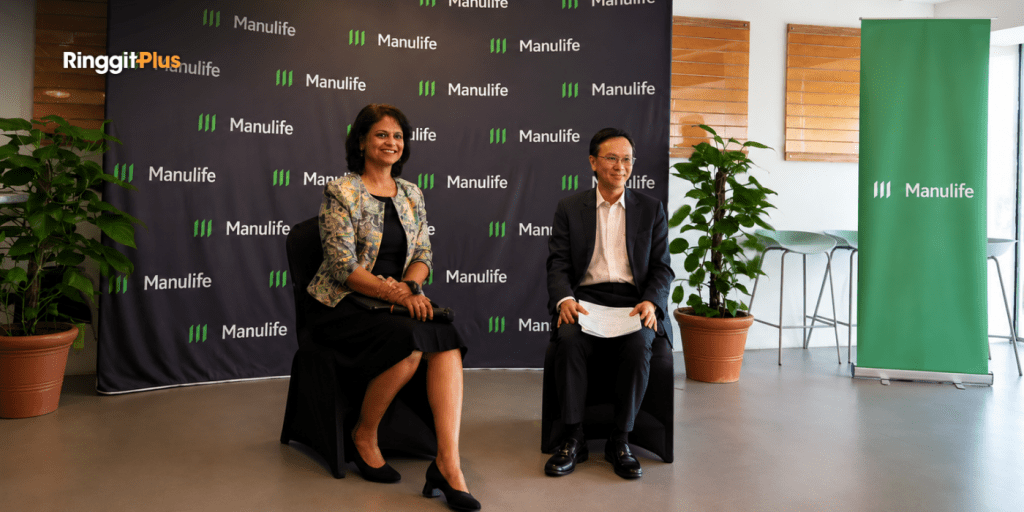
Nearly nine in 10 Malaysians say staying independent for as long as possible is their biggest goal for later life, rather than leaving money behind for their children, according to the Manulife Asia Care Survey 2026.
The findings suggest that more Malaysians are thinking about their own health and financial security as part of caring for their children, rather than focusing mainly on passing down wealth.
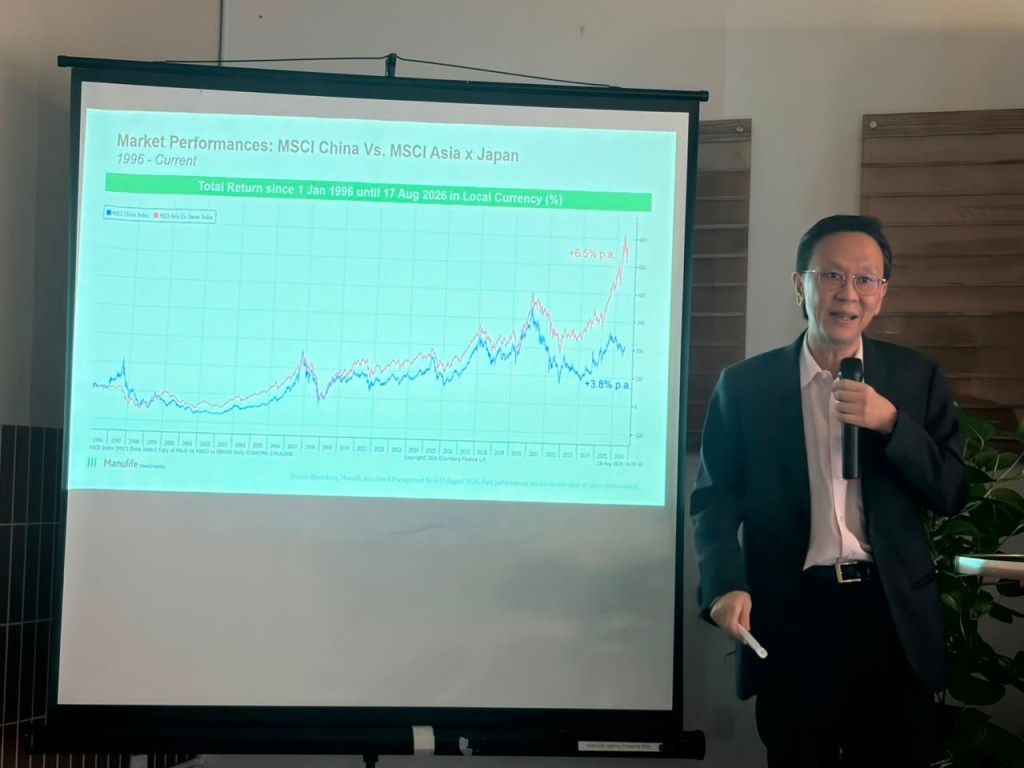
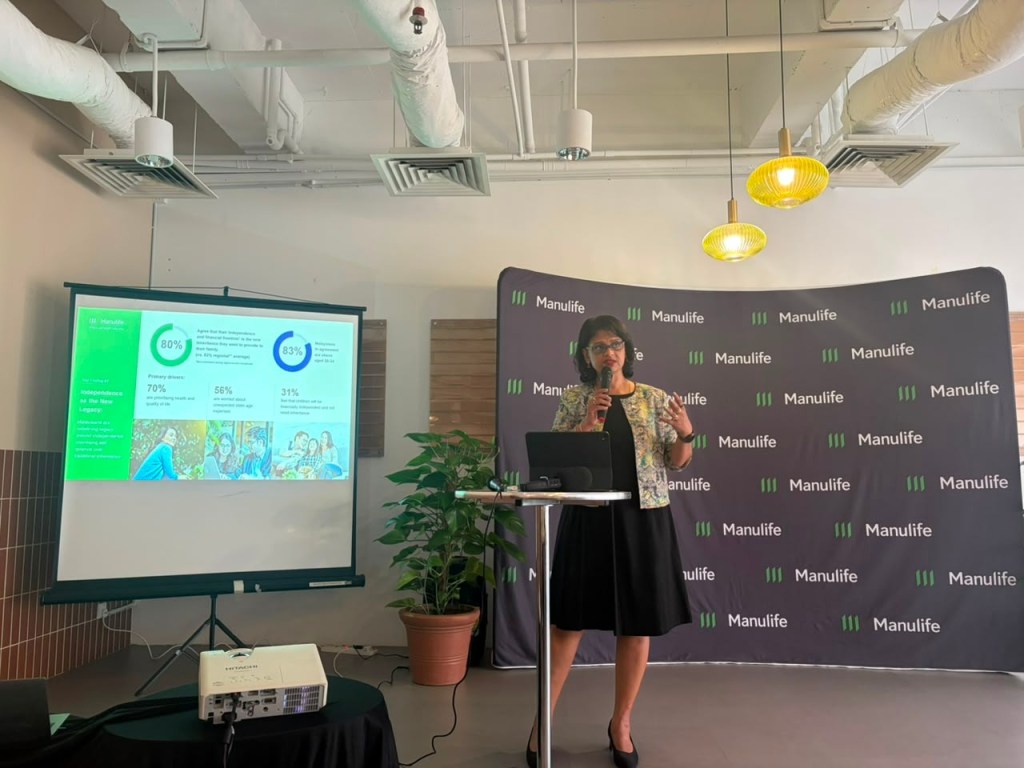
The survey covered more than 9,000 people across Asia, including 1,000 Malaysians. Its findings were presented by Vibha Coburn, Group Chief Executive Officer of Manulife, Malaysia and Jason Chong, Chief Executive Officer of Manulife Investment Management, at a media briefing at Menara Manulife in Bukit Damansara, Kuala Lumpur, earlier today.
The RinggitPlus team was there to take a closer look at what the findings reveal about ageing, caregiving, retirement and financial planning.
A Longer Life Could Mean More Than Just Saving For Retirement
Malaysians expect to need around 17 years of care in later life, three years longer than the regional average. Seven in 10 are concerned about being able to fund future care, with respondents estimating they will need RM4,760 a month for those costs.
That means retirement planning may need to account for more than having enough savings to stop working.
The survey found that 68% of Malaysians plan to work beyond the traditional retirement age, while 57% of those who already save and invest plan to shift towards income-generating investments. The main reasons include wanting a steady income and being able to support themselves through a longer retirement.
At the media briefing, Chong said retirement planning should take into account rising care costs and the need for income throughout retirement, rather than focusing only on building up a retirement sum.
For younger Malaysians, his advice was to start saving early and increase the amount saved as income grows. Investment risk can also be adjusted over time, with younger investors generally having more time to recover from losses before moving towards greater capital preservation closer to retirement.
The bigger issue is that the money needed for retirement may have to cover several different things at once, including everyday expenses, healthcare, care costs and potentially years without employment income.
Family Responsibilities Can Put Your Own Plans On Hold
Two-thirds of Malaysians surveyed have family caregiving or financial responsibilities, with 41% of monthly pay going towards family needs. Around one in 10 respondents are part of the sandwich generation, supporting both ageing parents and children.
Among the sandwich generation, 68% said family financial responsibilities hinder their ability to build long-term self-reliance, while 60% said they had delayed medical care because of caregiving and financial pressures.
Caregiving also affects longer-term planning. About 69% of caregivers reported difficulty making long-term plans for themselves, while 62% faced financial issues linked to their caregiving responsibilities.
That creates a difficult balancing act. Money that could have gone towards retirement savings or other long-term goals may instead be needed for children, ageing parents or immediate household expenses.
The same pressure can affect health. When time and money are already stretched, taking care of personal health can become something to put off, even when it could help reduce future healthcare costs.
Healthcare Is Part Of The Cost Of Staying Independent
The survey found that 85% of Malaysians believe preventive care and self-care habits can help them remain independent for longer, but only 27% reported taking early screenings and preventive care.
Healthcare costs also add another layer to financial planning. Malaysia currently pays 32% of healthcare costs out of pocket, according to Coburn.
That means even someone who has built up retirement savings may still need to account for medical expenses that aren’t fully covered by insurance or other forms of protection.
During the Q&A, both executives highlighted the importance of getting medical insurance while people are still healthy and insurable. Chong shared his own experience of being unable to obtain medical insurance after developing diabetes.
Coburn also shared that she keeps enough savings aside to cover her insurance deductible, rather than relying on insurance for every smaller medical expense.
The approach highlights another part of preparing for independence, which is having both protection for large unexpected costs and accessible savings for expenses that still need to be paid out of pocket.
Independence Is Becoming Part Of The Legacy
Four in five Malaysians see independence and financial freedom as the new inheritance they want to give their families. The survey also found that respondents would allocate 68% of their assets towards their own health and independence, compared with 32% towards inheritance for their children.
The shift doesn’t necessarily mean Malaysians care less about leaving money to their children. Instead, it reflects a different idea of what supporting the next generation can look like.
Being able to fund your own later years means your children may not have to take on the cost of your healthcare, caregiving or daily living expenses.
As Malaysians live longer, financial independence may therefore depend on planning for more than a retirement date. Savings, income, healthcare, insurance and family responsibilities can all affect whether someone is able to remain independent in the years that follow.
Follow us on our official WhatsApp channel for the latest money tips and updates.
About THE AUTHOR
RinggitPlus
Most Viewed Articles
Most Viewed Articles

Event
MediAsas Teras And Fleksi Set To Launch With Deductibles From RM500
We were at Sasana Kijang in Kuala Lumpur on 25 September 2026, where Bank Negara Malaysia (BNM) held […]
Event
NICE 2026 Shows How Malaysian Research Can Become Real Products
We were at the Kuala Lumpur Convention Centre (KLCC) on 27 August 2026 as Prime Minister Anwar Ibrahim […]
Event
Old Malaya Comes Alive At AmBank’s Annual Media Night
AmBank Group brought close to 100 senior editors and journalists together on 27 August 2026 for its annual […]

Event
You Can Now Earn Up To 12 BonusLink Points Per RM1 On Hotel Bookings
The RinggitPlus Team was at the launch of BonusLink Travel at Pavilion Bukit Jalil on 3 September 2026, […]

Comments (0)