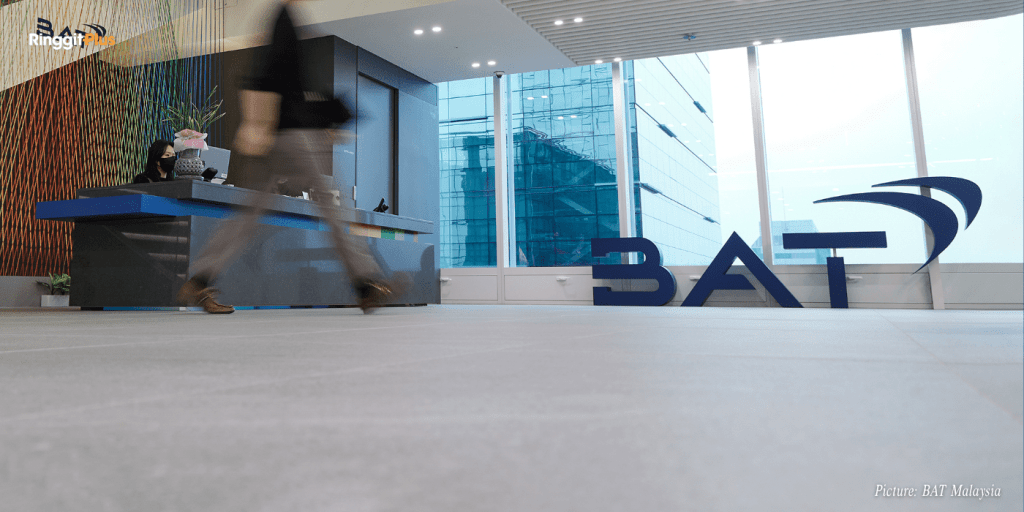
BAT Malaysia is raising the retail prices of its cigarette brands after the government imposed a two-sen-per-stick excise duty increase under Budget 2026. The new duty took effect on 1 November 2025, and the company’s revised prices are being applied from 21 November 2025.
Updated Retail Prices Approved By The Health Ministry
The revised prices have been approved by the Health Ministry. Under the updated list, Dunhill now retails at RM18.20 per pack compared with RM17.40 previously. Benson & Hedges is priced at RM18.40, Peter Stuyvesant at RM16.70, KYO at RM14, Rothmans at RM12.90, and Luckies at RM12.40. These adjustments reflect the higher excise duty introduced under Budget 2026.
Illicit Trade Continues To Affect The Industry
BAT Malaysia managing director Nedal Salem said the tax revision was a positive step, noting that the last excise increase was implemented in 2015. He added that the industry continues to face pressure from illicit cigarette trade. Industry estimates indicate that illegal products account for more than half of cigarette consumption in Malaysia.
Earnings Weaken As New Regulations Take Effect
The latest price adjustments come at a time when BAT Malaysia is reporting weaker earnings. For the third quarter ended 30 September 2025, net profit fell to RM7.02 million, representing the group’s lowest quarterly performance on record. Revenue declined to RM300.8 million, with the company attributing part of the decline to new regulations such as expanded pictorial health warnings and a retail display ban.
Year-To-Date Performance And Dividend Revision
Over the first nine months of 2025, BAT Malaysia’s net profit dropped to RM81.24 million, a decline of 39.4% compared with the same period last year. Revenue contracted by 25% to RM1.25 billion. The group declared a third interim dividend of five sen per share, lower than the 22 sen per share announced a year earlier.
Malaysia’s Regulatory Approach Continues To Evolve
Malaysia’s tobacco framework is now shaped by the Control of Smoking Products for Public Health Act 2024, which came into force on 1 October 2024. The Act introduces stricter rules on packaging, health warnings, product registration, and the sale of smoking and vaping products. Retailers are required to comply with measures such as the ban on open product displays and restrictions on promotions. The government has described these requirements as part of a wider regulatory framework that will be expanded through phased subsidiary regulations.
Global Trend Towards Generational Bans
Around the world, some governments are adopting longer-term strategies by introducing generational bans on tobacco. These measures prevent people born from a certain year onwards from ever buying cigarettes legally. The United Kingdom has proposed a model that restricts tobacco sales for anyone born on or after 1 January 2009. The Maldives has taken a more extensive approach, with a nationwide prohibition already in effect for those born on or after 1 January 2007, as outlined in recent international coverage.
These efforts aim to reduce smoking rates by removing legal access for future generations. While the public-health rationale is clear, critics highlight the practical challenges of enforcement and the potential for increased reliance on illicit products.
Malaysia’s Position On Generational Bans
Malaysia previously explored a similar approach through the Generational Endgame proposal, which aimed to ban the sale and use of tobacco and vape products for anyone born on or after 1 January 2007 so that future generations would never start smoking. The initial draft of the bill included a prohibition for individuals born on or after that date. The clause was later removed after concerns were highlighted by policymakers and legal advisers during the bill’s review.
When Act 852 was finalised, it did not include any generational-ban provisions. Malaysia is instead focusing on implementing the minimum purchase age of 18, expanding smoke-free areas, and enforcing rules on product sales and marketing.
How Malaysia’s Direction Compares Internationally
In Southeast Asia, countries take different approaches to tobacco control. Singapore is known for some of the region’s strictest rules, including high duties and comprehensive smoke-free policies, as detailed in its public-health guidance. Thailand maintains strong graphic warnings and has banned e-cigarettes entirely.
By comparison, Malaysia follows a more incremental model that combines taxation, education, and retail controls. This balanced approach reflects the need to achieve public-health goals while managing enforcement challenges and monitoring regional trends.
Follow us on our official WhatsApp channel for the latest money tips and updates.
Samuel writes about personal finance and financial news, focusing on how banking updates, policies, and promotions affect everyday money decisions. He enjoys making complicated financial topics easier to follow. Outside of writing, he spends his time watching TV shows and occasionally convincing himself he will only watch one episode.
00votes
Article Rating
SHARE
About THE AUTHOR
Samuel Chua
Samuel Chua
Samuel writes about personal finance and financial news, focusing on how banking updates, policies, and promotions affect everyday money decisions. He enjoys making complicated financial topics easier to follow. Outside of writing, he spends his time watching TV shows and occasionally convincing himself he will only watch one episode.
We provide weekly updates on every Friday at 5pm on the prices of RON95, RON97 and Diesel in Malaysia and a chart that shows the movement of fuel prices across a 6-week period. Bookmark this page now!







Comments (0)