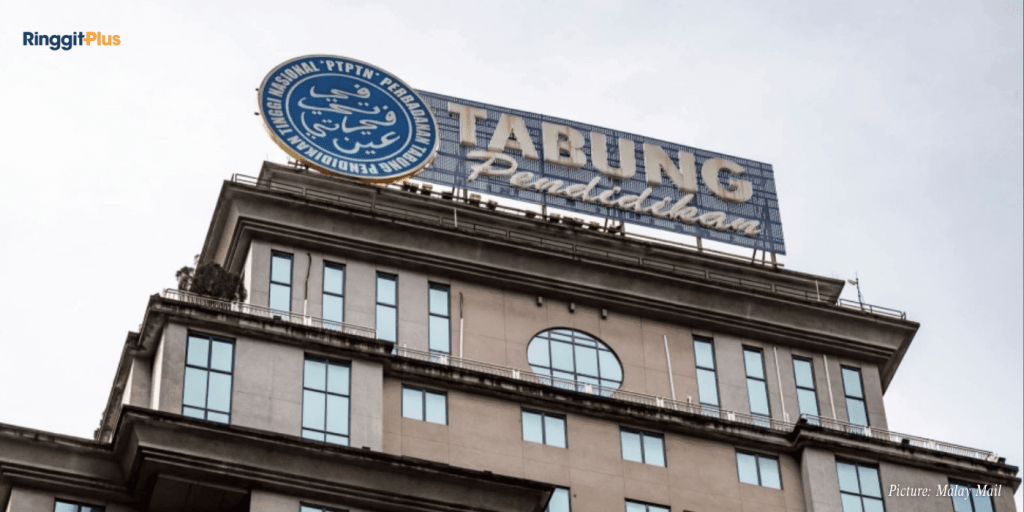
Backbenchers have urged the government to reinstate the National Higher Education Fund Corporation, or PTPTN, loan repayment waivers for students enrolled in private higher education institutions. The call was made during a joint press conference in the Dewan Rakyat, where concerns were raised about long-term talent development, fair access to higher education, and the overall structure of Malaysia’s human capital pipeline.
Findings From CROSS On Waiver Costs
Petaling Jaya MP Lee Chean Chung highlighted a study by the Centre of Regional Strategic Studies, or CROSS, which estimated the cost of reinstating full waivers for first-class graduates from private institutions. According to the study, the annual cost would range between RM82 million and RM97.5 million.
He said the amount represented a small portion of the government’s projected savings from targeted subsidy rationalisation measures under the 2026 Budget. Similar cost considerations have been reported in past PTPTN reviews, where expenditure on exemptions was evaluated alongside broader fiscal planning.
Arguments For Reinstating PTPTN Waivers
Lee also said the study suggested that reinstating the previously discontinued PTPTN first-class repayment waiver for eligible private institution graduates would support efforts to retain high-performing Malaysian talent. It also argued that the measure could address inequities stemming from limited public university placements, where competitive entry requirements often affect STPM graduates.
Official media reports have frequently highlighted the demand imbalance between public and private institutions, with public university admission places remaining constrained despite rising numbers of qualified applicants. The CROSS findings align with these observations by noting that high-performing graduates across all institutions contribute to the same national workforce.
Treating Education Pathways As A Unified Talent Pipeline
Lee said Malaysia’s human capital strategy should recognise students from both public and private institutions as part of a unified national talent pipeline. He added that this approach would support Malaysia’s long-term competitiveness, especially in sectors where employers have raised recurring concerns about talent shortages.
He also noted that many students pursue private higher education due to limited public university options. In such situations, he said that reinstating waivers could reduce financial strain on students who are already managing higher tuition fees while working to complete their studies.
Proposal For A Service Bond Mechanism
The CROSS study [PDF] proposed coupling PTPTN waivers with a structured service bond mechanism. This mirrored international practices where graduates commit to a period of service in return for tuition support.
Lee said such a mechanism could maximise returns on public investment while strengthening graduate employability. Official reports have documented similar bond arrangements in Malaysia for scholarship recipients in sectors such as healthcare, engineering, and public administration, suggesting that a PTPTN-linked model could integrate well with existing frameworks.
Support For A Bond System For Scholarship Recipients
Lee said he agreed with proposals to link exemptions with a bond requirement. He suggested that scholarship recipients could also be included in future discussions, ensuring that beneficiaries contribute to the domestic workforce after graduation.
This focus on national service and graduate retention aligns with long-standing public-sector concerns about talent migration, which have been highlighted in multiple government statements and media reports.
PTPTN Exemption Figures From The Higher Education Ministry
Statistics from the Higher Education Ministry showed that between 2005 and 2025, a total of 90,929 students from public higher education institutions received PTPTN loan exemptions, while 45,973 students from private institutions benefited from the same initiative.
These figures illustrate how exemption policies have historically supported graduates across different education pathways. They also provide context for ongoing discussions on how PTPTN frameworks can remain equitable and sustainable.
PTPTN Measures Announced Under Budget 2026
During the tabling of the 2026 Budget, Prime Minister Datuk Seri Anwar Ibrahim announced that PTPTN loan repayment exemptions would be granted to students graduating with first-class honours bachelor’s degrees from public universities who come from low- or middle-income families.
The initiative is expected to benefit around 6,000 borrowers annually, with an allocation of RM90 million. This measure has taken effect as part of the 2026 Budget implementation, forming the latest update to PTPTN’s exemption structure.
Measures On Borrowers Working Abroad
The government also announced that travel bans would apply to borrowers who are financially capable of repaying their PTPTN loans but default while working overseas. This policy targets borrowers who have the means to settle their obligations yet remain in default.
Similar enforcement actions have been reported previously and are intended to improve repayment performance while maintaining the sustainability of the PTPTN fund.
A Broader Conversation On Financial Accessibility In Higher Education
The renewed debate surrounding PTPTN waivers reflects wider discussions about affordability, equal access, and long-term workforce planning. Media coverage and official reports have consistently highlighted rising education costs and the importance of financial support systems that adapt to economic conditions.
Clear financial information helps students and families understand the implications of loans, exemptions, and repayment schedules. Consumer-focused financial platforms contribute by explaining eligibility rules, repayment obligations, and benefit criteria in accessible terms. This supports informed decision-making and helps borrowers plan their financial commitments with greater confidence.
As discussions on PTPTN policies continue, a common theme remains evident. Malaysia’s long-term competitiveness depends on supporting all students, whether they graduate from public or private institutions, and ensuring that financial structures align with national talent needs.
Follow us on our official WhatsApp channel for the latest money tips and updates.
Samuel writes about personal finance and financial news, focusing on how banking updates, policies, and promotions affect everyday money decisions. He enjoys making complicated financial topics easier to follow. Outside of writing, he spends his time watching TV shows and occasionally convincing himself he will only watch one episode.
00votes
Article Rating
SHARE
About THE AUTHOR
Samuel Chua
Samuel Chua
Samuel writes about personal finance and financial news, focusing on how banking updates, policies, and promotions affect everyday money decisions. He enjoys making complicated financial topics easier to follow. Outside of writing, he spends his time watching TV shows and occasionally convincing himself he will only watch one episode.
We provide weekly updates on every Friday at 5pm on the prices of RON95, RON97 and Diesel in Malaysia and a chart that shows the movement of fuel prices across a 6-week period. Bookmark this page now!







Comments (0)