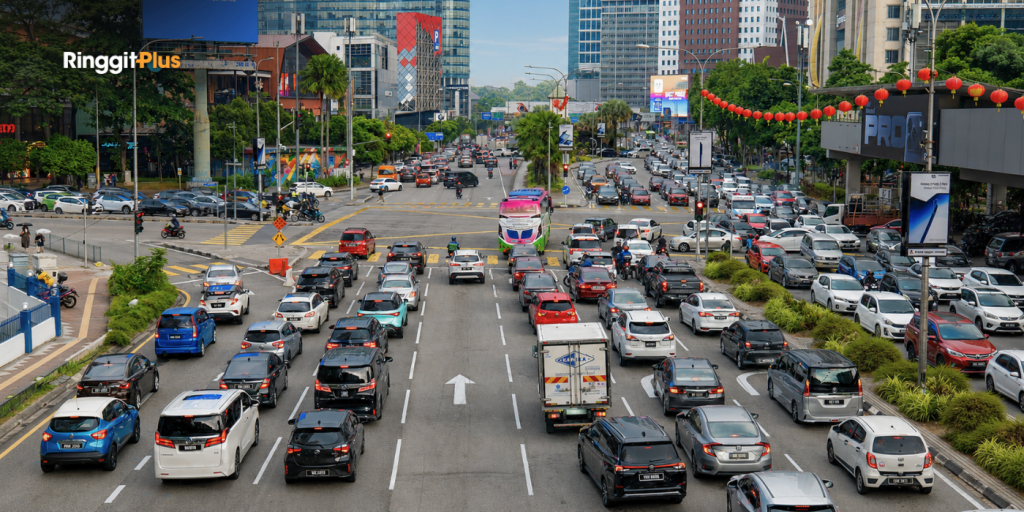
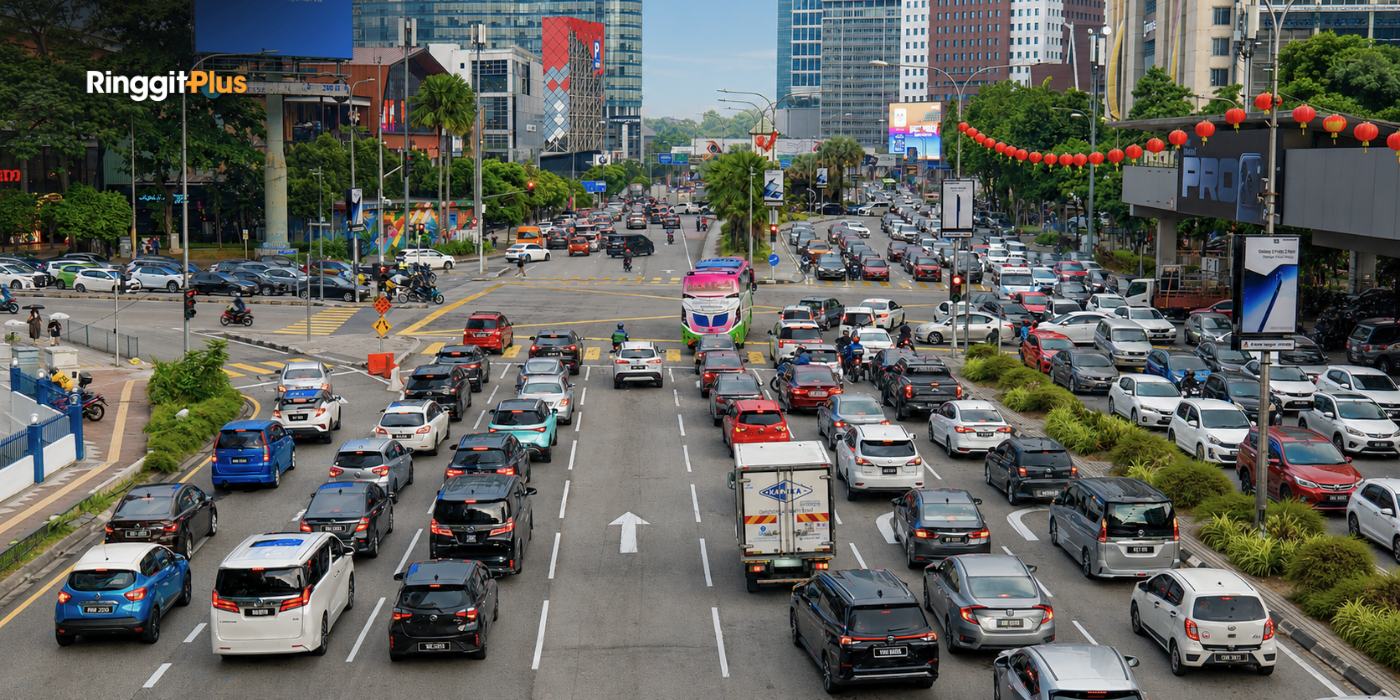
Malaysia’s vehicle sales continued to grow in July despite higher living and fuel costs, with SUVs, national models and electric vehicles (EVs) helping to drive demand.
Malaysia’s automotive total industry volume (TIV) rose 5% year-on-year to 73,615 units in July 2026, up from 70,057 units a year earlier, according to the Malaysian Automotive Association (MAA). Passenger vehicle sales rose 7% to 68,900 units, while monthly vehicle production reached a 30-month high of 75,490 units.
Public Transport Still Doesn’t Cover Everyone
Bank Muamalat Malaysia Bhd chief economist Dr Mohd Afzani-zam Abdul Rashid said Malaysians remained heavily dependent on private vehicles because public transport is still largely concentrated in urban areas.
Sunway University economics professor Dr Yeah Kim Leng similarly said gaps in public transport mean car ownership remains necessary for workers who don’t have a practical alternative.
Public transport use is still growing, with LRT ridership reaching 94.3 million passengers and MRT ridership reaching 55.2 million in the first seven months of 2026.
If your home or workplace isn’t well connected to the rail network, taking public transport may still mean longer or more complicated journeys.
Yeah said better public transport could reduce dependence on private vehicles, fossil fuels and exposure to energy price increases.
SUVs And Rebates Are Helping Drive Sales
MAA president Mohd Shamsor Mohd Nor said the 7% increase in passenger vehicle sales was mainly driven by the SUV segment, particularly national models.
Carmakers are also offering aggressive promotions and rebates to attract buyers. A strong sales market doesn’t necessarily mean cars have become easier to afford, with discounts helping to keep buyers interested while household costs remain high.
EV Sales Have Already Surpassed 2025
Pure EV sales reached 38,675 units as of 24 August 2026, already surpassing the 30,848 units sold throughout 2025.
If you drive frequently, fuel costs can be a significant part of what you spend on your car. The growing EV market gives you another option if you’re looking for a way to reduce those running costs.
Afzani-zam said the increase in EV sales could also help reduce carbon emissions, while Yeah said the shift towards EVs was one of the factors supporting vehicle demand despite cost-of-living pressures.
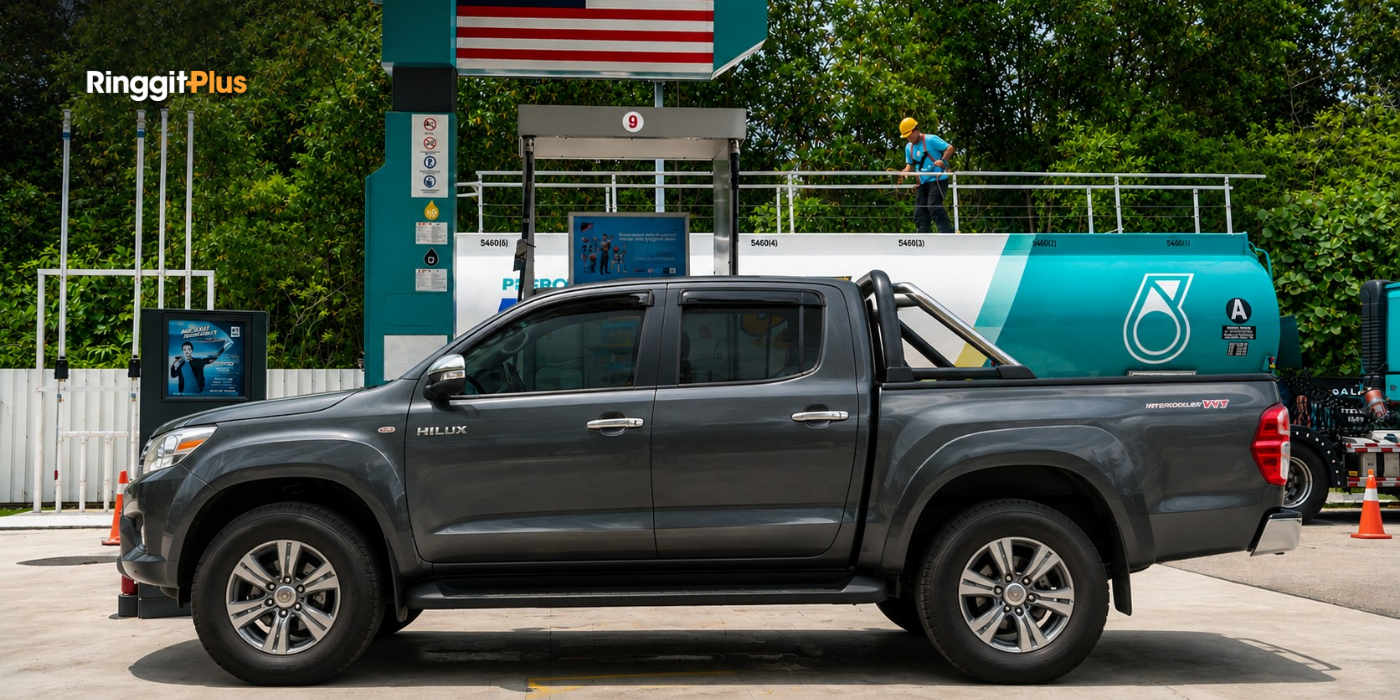
Pick-up truck sales also rose 30% month-on-month in July following the introduction of the BUDI Diesel subsidy, alongside aggressive promotions from carmakers.
The Cost Of Owning A Car
Rising vehicle sales don’t mean cars have suddenly become easier to afford. If you rely on a car to get to work every day, you may still have to budget for one even when your other household costs are going up.
Manufacturer rebates can reduce what you pay upfront, while fuel consumption and other running costs will affect how much the car costs you over the years you own it.
Better public transport could eventually reduce the need for private vehicles, but until then, where you live and work can still play a big part in whether owning a car is something you can realistically avoid.
Follow us on our official WhatsApp channel for the latest money tips and updates.
Christina writes about personal finance with an eye for making the complicated feel straightforward. She is drawn to the everyday money decisions people face and genuinely enjoys finding the clearest way to explain them. Between articles, she is probably napping, on a hiking trail, or terrorising her sister’s cats.
00votes
Article Rating
SHARE
About THE AUTHOR
Christina Chandra
Christina Chandra
Christina writes about personal finance with an eye for making the complicated feel straightforward. She is drawn to the everyday money decisions people face and genuinely enjoys finding the clearest way to explain them. Between articles, she is probably napping, on a hiking trail, or terrorising her sister's cats.
We provide weekly updates on every Friday at 5pm on the prices of RON95, RON97 and Diesel in Malaysia and a chart that shows the movement of fuel prices across a 6-week period. Bookmark this page now!





Comments (0)