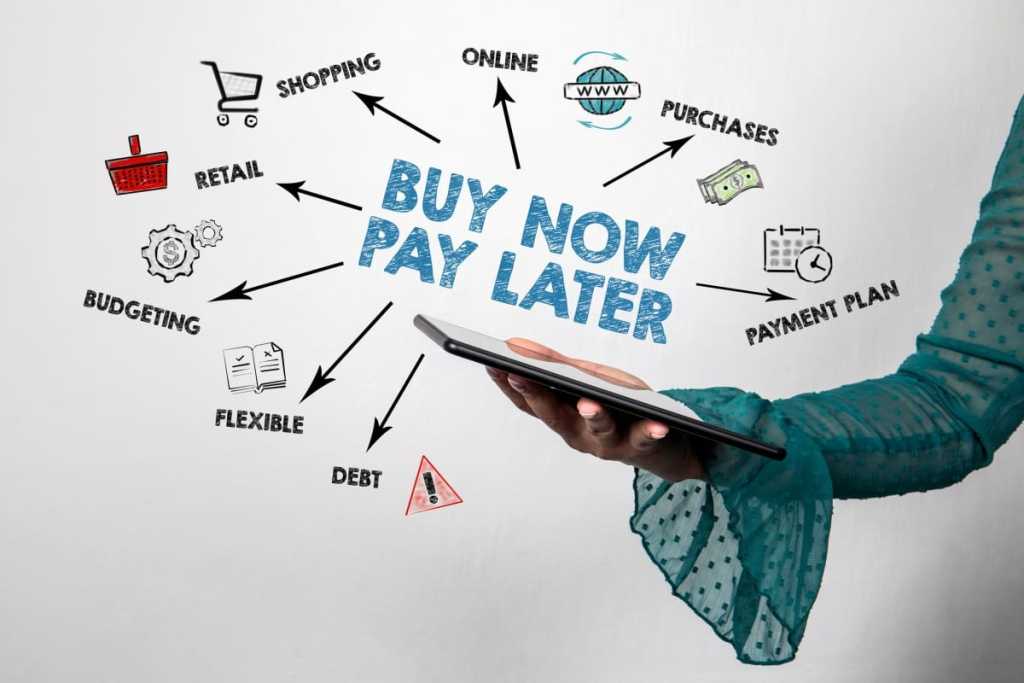
Informal lending appears to be declining in Malaysia, as more individuals turn to Buy Now, Pay Later (BNPL) services to meet their financial needs, a study has found.
According to a nationwide survey conducted by SPayLater as part of its Fikir Sekarang, Bayar Kemudian campaign, 63% of users who had previously depended on informal lending options indicated they no longer needed to do so after adopting BNPL.
Many participants had previously relied on pawnshops, unlicensed lenders, or borrowing from friends and family, often due to limited access to conventional credit.
The survey also found that 59% of participants consider access to credit essential for covering everyday necessities. At the same time, 55% said they lack access to credit outside of BNPL services, reflecting a gap between credit availability and rising living costs.
In terms of access to traditional financial services, 12% of respondents felt their credit needs were underserved by banks, while 18% either do not use or do not have access to banking services. These figures suggest that a segment of the population remains financially marginalised despite ongoing digitalisation.
Many users reported relying on SPayLater during periods of financial strain. Emergency expenses such as baby formula, medical treatments, repairs to vehicles or household appliances, and insurance or Takaful renewals were among the most common reasons for using the service.
Users also cited various motivations for turning to BNPL: 57% used it for managing cash flow, 46% to bridge income gaps between paydays, 32% for unexpected expenses, and 10% to support small business operations.
Financial planning habits appear to be evolving alongside BNPL use. A large majority (93%) of respondents said they include SPayLater repayments in their monthly budgets, similar to other recurring bills. Additionally, 89% believed the service has helped them manage their overall finances more effectively, and 95% felt it has improved their debt management skills.
These shifts may be reflected in broader consumer trends. Data from the Consumer Credit Oversight Board showed a decrease in BNPL delinquency rates, from 5.3% in 2023 to 2.6% in 2024.
While 42% of users said that access to SPayLater gives them greater control over their finances, 2% reported experiencing anxiety when relying on short-term credit for essential spending. There is also interest in broader SPayLater integration, especially with merchants in healthcare, grocery, and household categories.
The Fikir Sekarang, Bayar Kemudian initiative aims to support users by promoting informed financial decision-making and encouraging responsible BNPL usage through greater awareness and education.
Samuel writes about personal finance and financial news, focusing on how banking updates, policies, and promotions affect everyday money decisions. He enjoys making complicated financial topics easier to follow. Outside of writing, he spends his time watching TV shows and occasionally convincing himself he will only watch one episode.
Samuel writes about personal finance and financial news, focusing on how banking updates, policies, and promotions affect everyday money decisions. He enjoys making complicated financial topics easier to follow. Outside of writing, he spends his time watching TV shows and occasionally convincing himself he will only watch one episode.
If you're planning to buy a car; you're going to need a car loan (unless you've got a lot of money in the bank)! We give you a nutshell guide on the 5 things you need to know!









Comments (0)