Allowing motorists to pay traffic fines through instalment plans could help reduce the number of unpaid summonses, provided the system is backed by firm and consistent enforcement, according to a road safety expert.
The proposal focuses on balancing affordability with accountability, particularly for lower-income motorists, while maintaining fines as a mandatory consequence of traffic violations.
Unpaid traffic summonses have long posed challenges for enforcement agencies, reducing the deterrent effect of penalties meant to encourage safer driving behaviour and increasing administrative burdens across departments.
Instalment Plans Address Affordability Concerns
Universiti Putra Malaysia Road Safety Research Centre head Associate Professor Dr Law Teik Hua said instalment-based payments would directly address the ability-to-pay issue that affects many motorists.
He explained that standardised and clearly communicated instalment options would turn a single lump-sum fine into smaller, manageable payments, making compliance more realistic without removing the obligation to pay.
He said this approach recognises financial constraints while ensuring that fines remain compulsory rather than optional.
Such a system, if introduced, would require clear eligibility criteria, fixed payment schedules, and consistent public communication so motorists understand their obligations from the outset.
Firm Enforcement Must Accompany Flexibility
Law stressed that instalment options alone would not be effective without strong enforcement measures. He said defaulting on instalment payments should trigger automatic penalties, such as restrictions on road tax or driving licence renewals.
According to him, the effectiveness of traffic fines depends on certainty of enforcement. Without clear consequences, motorists may choose to ignore summonses regardless of income level.
He added that consistent enforcement across agencies and locations is essential, noting that uneven follow-through can weaken compliance and encourage delays or avoidance in payment.
Unpaid Summonses Remain Significant
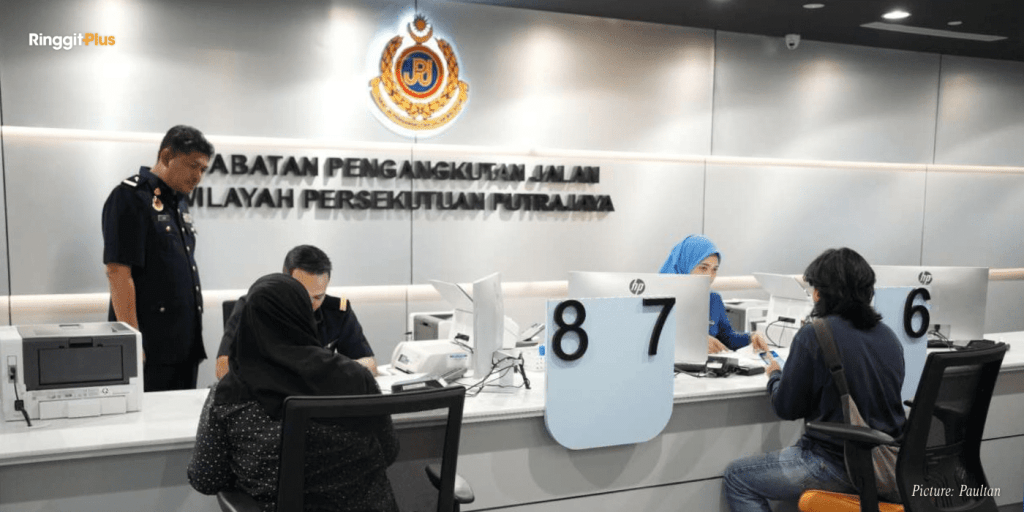
The Road Transport Department previously reported collecting RM93.51 million in summons payments following a 50% discount initiative that began in November.
The department’s enforcement director, Datuk Muhammad Kifli Ma Hassan, said 702,606 summonses had been settled under the scheme. However, he noted that the amount collected represents only a small portion of the estimated RM1.42 billion in outstanding summonses nationwide.
The figures highlight the scale of unpaid penalties and the limitations of temporary discount schemes in resolving long-standing compliance issues.
New Regulations To Tighten Enforcement From 2026
The discussion around instalment payments comes as enforcement agencies prepare for broader regulatory changes aimed at reducing unpaid summonses.
Road Safety Council of Malaysia executive council member Datuk Suret Singh said the new Traffic Compound Offences Regulations have been passed and will take effect on January 1, 2026.
Under the regulations, motorists who fail to settle their summonses within 60 days will no longer be eligible for compounding and will instead face court proceedings.
Suret said the change marks a shift towards stricter enforcement, with fewer opportunities for leniency.
Pay-Early Policy Aims To Change Behaviour
He added that the pay-early-pay-less approach, jointly endorsed by the Road Transport Department and the police, is designed to encourage prompt settlement of summonses.
The framework aims to reward early compliance, reduce unpaid fines, and strengthen the Kejara demerit points system, reinforcing the link between traffic offences and meaningful consequences.
Follow us on our official WhatsApp channel for the latest money tips and updates.
Samuel writes about personal finance and financial news, focusing on how banking updates, policies, and promotions affect everyday money decisions. He enjoys making complicated financial topics easier to follow. Outside of writing, he spends his time watching TV shows and occasionally convincing himself he will only watch one episode.
00votes
Article Rating
SHARE
About THE AUTHOR
Samuel Chua
Samuel Chua
Samuel writes about personal finance and financial news, focusing on how banking updates, policies, and promotions affect everyday money decisions. He enjoys making complicated financial topics easier to follow. Outside of writing, he spends his time watching TV shows and occasionally convincing himself he will only watch one episode.
We provide weekly updates on every Friday at 5pm on the prices of RON95, RON97 and Diesel in Malaysia and a chart that shows the movement of fuel prices across a 6-week period. Bookmark this page now!







Comments (0)