Alex Cheong Pui Yin
Previously covered recruitment-related stories and had a short stint as a copywriter for the property industry. She subsequently developed an interest in investment and robo-advisors.

17th May 2024 - 3 min read
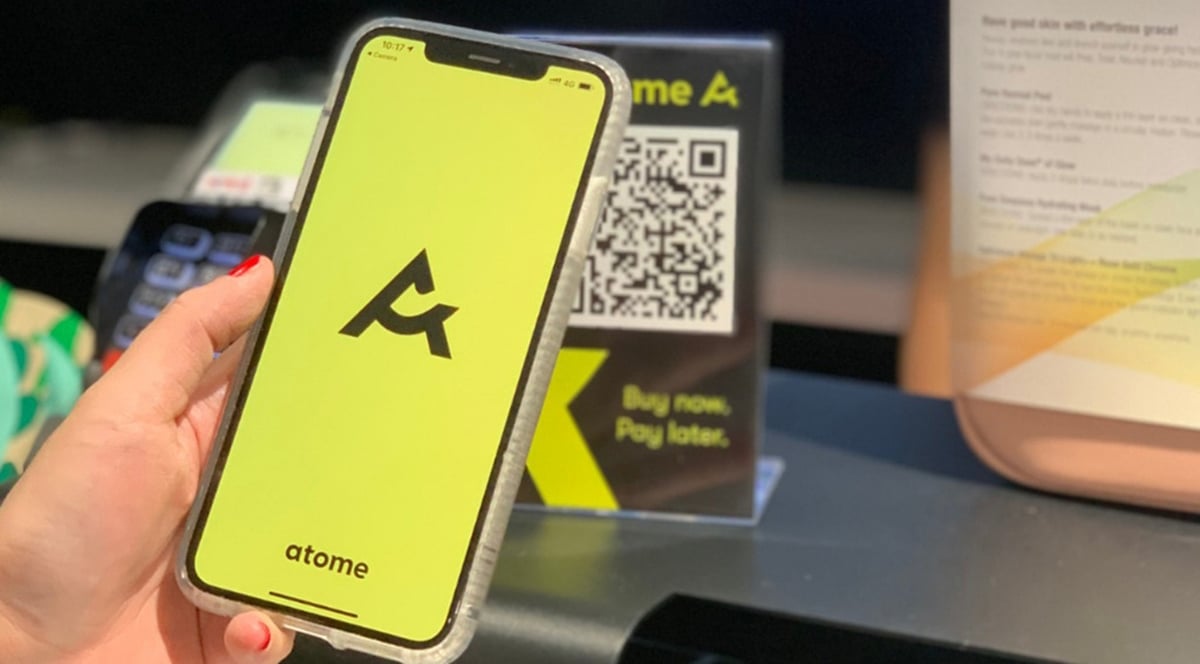
Khazanah Research Institute (KRI) has proposed for Malaysia’s household debt metrics to be expanded so that it includes exposure to buy-now-pay-later (BNPL) risks, in a bid to shed better light on consumer borrowings. This is on top of other components that are already included in the metrics, which consist of only traditional forms of debts like housing loans, credit card debt, and personal loans.
Highlighted in its recently published The Financialisation of Our Lives report, KRI said that such schemes have made it easier for people from various backgrounds to access credit, including younger generations, those without a credit history, and individuals from lower income groups. From one perspective, this is a good thing as such schemes have democratised credit access to promote financial inclusivity, as well as led to increased consumer spending.
On another hand, there are various concerns with regard to the payment method, including the possibility of a decline in credit scores due to hasty financial judgements, increase in household default risk, and subsequent reduction in households’ access to financing. As such, BNPL exposure should be included in the calculation and measurement of household debt to offer a clearer understanding of where things stand.
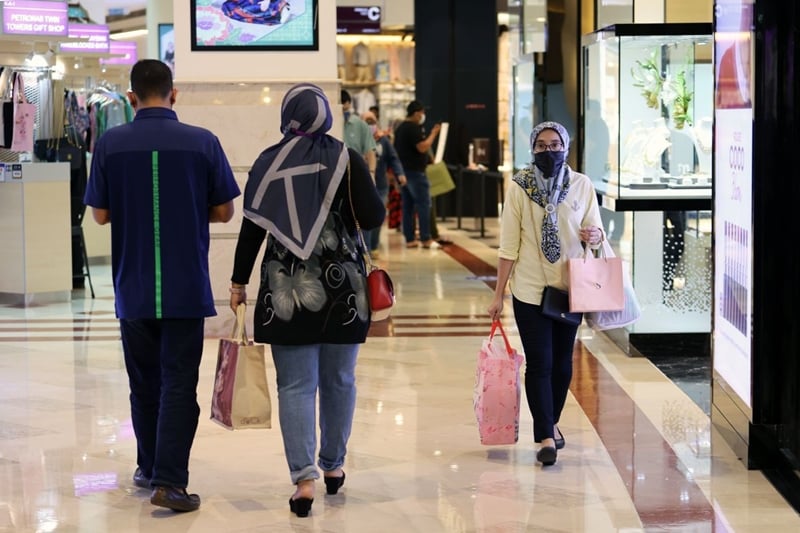
“While debt emanating from BNPL currently accounts for a relatively small proportion of total household debt, the exclusion of BNPL can create a distorted picture of household debt, particularly as exposure to BNPL increase,” KRI explained in its report, adding that on a macroeconomic level, unchecked use of BNPL schemes can lead to rising household debt that poses systemic risks to the financial system.
KRI further noted that BNPL schemes generally target younger and lower-income borrowers, quoting data from Bank Negara Malaysia to support its statement. Specifically, it was found that 44% of BNPL users are aged between 18 to 30 years old, and more than 80% of them earn less than RM3,000 per month. Data also showed that BNPL use has recorded an average quarterly growth of 21% in transaction volume, and 16% in transaction value over the first nine months of 2023.
“While one of the attractions of BNPL is the simplified and expedited credit approval process, this convenience should not come at the expense of robust credit assessment,” KRI stressed, stating that regulators need to also establish clear and transparent guidelines for BNPL providers. These should encompass details like interest rates, fees, disclosure requirements, and lending practices.

Furthermore, KRI recommended for policymakers to collaborate with consumer associations and educational institutions to educate consumers on BNPL. Meanwhile, BNPL providers are urged to carry out proper credit assessments to ensure that their customers are able to meet their repayment obligations.
Aside from its commentaries on BNPL schemes, KRI’s The Financialisation of Our Lives report also discussed various other topics, including wage stagnation, growing education/student debt, and the state of the housing market and housing loans.
(Sources: The Edge Malaysia, Khazanah Research Institute)
Previously covered recruitment-related stories and had a short stint as a copywriter for the property industry. She subsequently developed an interest in investment and robo-advisors.






Comments (0)