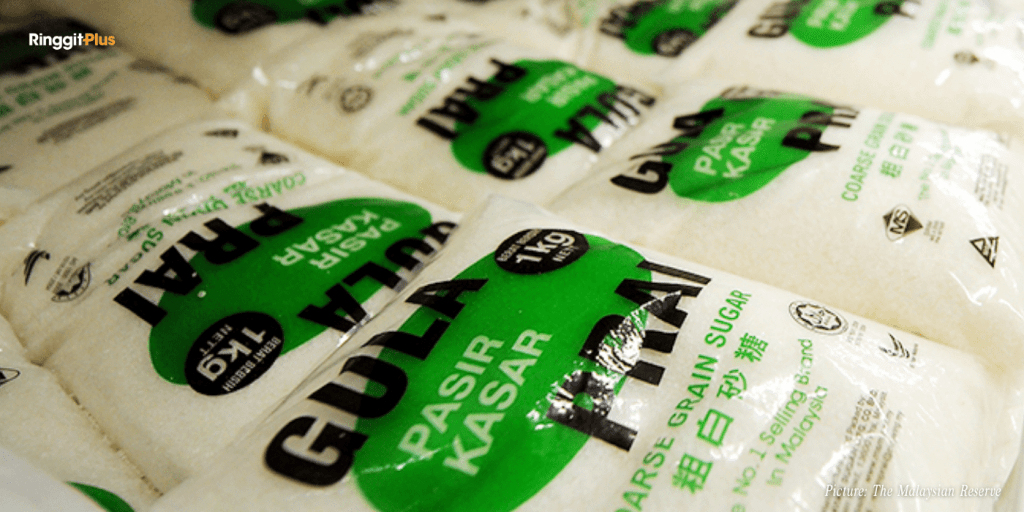
The government is preparing to rationalise subsidies for essential goods such as sugar, rice, and cooking oil, Deputy Finance Minister Lim Hui Ying announced in Parliament on Monday. She said that the move would be implemented gradually and in phases to ensure a smooth transition and avoid sudden price changes.
Lim explained that the goal is to prevent leakages and ensure that government subsidies are channelled only to those who truly need them. She added that, at present, the government is focusing on completing the ongoing fuel subsidy rationalisation before expanding the approach to other goods.
Understanding Malaysia’s Subsidy Framework
For decades, Malaysia has maintained a broad subsidy system to keep prices low for essential goods and services. Subsidies have covered items such as petrol, diesel, sugar, flour, rice, cooking oil, and electricity tariffs for households.
While this policy has helped stabilise the cost of living, it has also led to high fiscal spending and inefficiencies. Blanket subsidies tend to benefit all income groups equally, including high-income households and foreign nationals, rather than focusing assistance on those most in need.
According to the Ministry of Finance, Malaysia spent around RM81 billion on subsidies in 2022, one of the highest levels in its history, driven by global fuel price increases. The government has since been working to redesign the system into a more targeted model to ensure sustainable support.
Focus On Targeted Subsidies For Fuel
Malaysia’s subsidy rationalisation began with the energy sector, starting with the introduction of targeted subsidies for RON95 petrol in 2023. Under the new structure, eligible Malaysians can purchase up to 300 litres of RON95 petrol each month at the subsidised price of RM1.99 per litre.
The approach ensures that only Malaysians benefit from fuel subsidies, while non-citizens and high-consumption users pay market prices. The data verification process is handled through the government’s Central Database Hub (PADU), which consolidates income and household information to identify eligible groups.
In 2023, the government also withdrew blanket diesel subsidies. Diesel prices were adjusted closer to market levels, while targeted financial aid was introduced for logistics and public transport operators to prevent fare increases. These reforms marked the first major step in shifting from universal to targeted assistance.
According to the government’s plans, the fuel subsidy programme is expected to generate significant savings. The initiative also outlines how the funds saved will be redirected towards targeted aid and national development priorities.
Electricity subsidies have undergone similar adjustments, aligning with the government’s broader subsidy rationalisation framework, where low-usage households continue to receive full support while higher-consumption users pay tiered rates.
Ensuring Subsidies Reach The Right Groups
Lim said that several measures are being strengthened to ensure that subsidised goods reach the intended beneficiaries. The Ministry of Finance is working with enforcement agencies and the Ministry of Domestic Trade and Cost of Living to monitor the supply and sale of subsidised items.
She noted that enforcement teams are focusing on preventing leakages and misuse, including smuggling or resale of subsidised goods, which undermine the system’s integrity. The government is also ensuring adequate stock levels in the market to avoid shortages following the gradual adjustment of subsidies.
Prime Minister Anwar Ibrahim has previously stated that savings from rationalised subsidies will be redirected towards social support programmes. This includes increasing allocations for the Sumbangan Tunai Rahmah (STR) cash aid from RM8 billion to RM10 billion, benefiting lower- and middle-income households nationwide.
Supporting Fiscal Sustainability
Rationalising subsidies is also a key part of Malaysia’s fiscal consolidation plan. The government aims to manage public spending more efficiently and reduce dependence on borrowings. According to the Ministry of Finance, federal borrowings are projected to decline to RM86 billion in 2024, compared with RM93 billion in 2023 and RM100 billion in 2022.
By reducing broad subsidies, the government can redirect funds to long-term development priorities such as infrastructure, healthcare, and education. This strategy supports Malaysia’s goal of achieving a more sustainable and resilient economy, while maintaining financial support for vulnerable households.
Gradual Rollout And Next Steps
Lim said that the rationalisation of subsidies for basic goods such as sugar, rice, and cooking oil will take place only after the fuel subsidy framework is fully operational. The process will be introduced in stages to maintain market stability and ensure that supply remains sufficient.
The timeline and eligibility details have not yet been announced. Future phases are expected to be guided by data from PADU, allowing the government to identify eligible households more accurately and prevent misuse. Official details, including the effective dates and regulatory adjustments, will be published through government gazettes once confirmed.
Malaysians are encouraged to stay updated through official channels such as the Ministry of Finance (MoF) and the Ministry of Domestic Trade and Cost of Living (KPDN).
The gradual shift from blanket subsidies to targeted assistance marks a significant step in Malaysia’s fiscal reform journey. While the approach may gradually adjust prices for certain goods, it is designed to ensure that assistance is better directed to those who need it most, while safeguarding the country’s financial health in the long term.
Follow us on our official WhatsApp channel for the latest money tips and updates.
Samuel writes about personal finance and financial news, focusing on how banking updates, policies, and promotions affect everyday money decisions. He enjoys making complicated financial topics easier to follow. Outside of writing, he spends his time watching TV shows and occasionally convincing himself he will only watch one episode.
00votes
Article Rating
SHARE
About THE AUTHOR
Samuel Chua
Samuel Chua
Samuel writes about personal finance and financial news, focusing on how banking updates, policies, and promotions affect everyday money decisions. He enjoys making complicated financial topics easier to follow. Outside of writing, he spends his time watching TV shows and occasionally convincing himself he will only watch one episode.
We provide weekly updates on every Friday at 5pm on the prices of RON95, RON97 and Diesel in Malaysia and a chart that shows the movement of fuel prices across a 6-week period. Bookmark this page now!




Comments (0)