Prices in Malaysia are still rising, but not by much. Headline inflation held at 1.6% year-on-year in January 2026, unchanged from December 2025, according to the Department of Statistics Malaysia (DOSM). That means the cost of living is going up, but at a pace that remains relatively contained compared to the sharper spikes seen in other countries.
Chief statistician Datuk Seri Dr Mohd Uzir Mahidin confirmed that the consumer price index (CPI) reached 135.7 in January, up from 133.6 a year earlier. Month-on-month, prices rose just 0.1%.
What’s Getting More Expensive, and What Isn’t
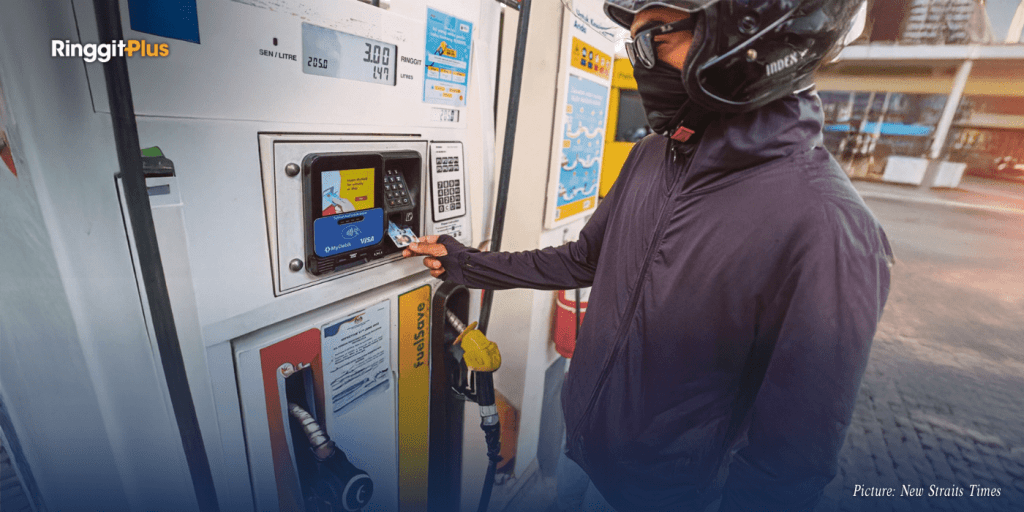
Not all spending categories are moving at the same pace. Education and personal care costs have been climbing faster than the overall rate, while transport actually got slightly cheaper in January, largely due to the government’s BUDI95 programme, which keeps RON95 petrol at a subsidised price for eligible Malaysians.
Category
Dec 2025 (YoY)
Jan 2026 (YoY)
Personal care, social protection & misc.
+5.7%
+6.6%
Education
+2.8%
+3.2%
Housing, water, electricity & fuel
+0.9%
+1.2%
Transport
+0.1%
-0.7%
Overall headline inflation
1.6%
1.6%
For families with school-going children, the education increase is worth watching. For those who drive regularly and qualify for BUDI95, the dip in transport costs offers some relief at the pump.
You Might Pay More If You Live In These Places
Inflation is not uniform across the country. Johor, Negeri Sembilan, and Pahang are all seeing price growth above the national average, which means households in those states may be feeling a slightly bigger pinch than the headline number suggests.
State
Inflation Rate (YoY)
Johor
2.1%
Negeri Sembilan
2.0%
Pahang
1.9%
National average
1.6%
Has Removing Blanket Subsidies Made Things More Expensive?
When the government started moving away from blanket subsidies, one concern was that prices would shoot up. So far, that has not happened. Targeted fuel and electricity subsidies have helped cushion the impact, limiting how much of the cost increase gets passed on to consumers at the checkout or at the pump.
Food prices remain something to watch, particularly if bad weather affects local crops. But economists broadly agree that the transition has not triggered a widespread price shock.
What This Means For Your Home Loan and Savings
Bank Negara Malaysia (BNM) is widely expected to keep the overnight policy rate (OPR) at 2.75% throughout 2026. If you have a variable-rate home loan, that means your monthly repayment is unlikely to change. If you are saving in a fixed deposit, rates are also not expected to shift much in either direction.
BNM has been managing the money supply separately, through something called the statutory reserve requirement (SRR). In May 2025, it lowered the SRR from 2% to 1%, which released RM19 billion into the banking system to keep credit and economic activity flowing.
What to Expect for the Rest of 2026
Kenanga Research expects inflation to average around 1.9% for the full year, supported by a relatively stable ringgit and continued subsidy measures. Risks that could push prices higher include potential increases to the Sales and Services Tax (SST), changes to migrant worker levies, and global supply disruptions linked to geopolitical tensions.
Prices are still rising, but the data suggests the government’s targeted subsidy approach has kept broader cost pressures in check, at least for now.
Follow us on our official WhatsApp channel for the latest money tips and updates.
Christina writes about personal finance with an eye for making the complicated feel straightforward. She is drawn to the everyday money decisions people face and genuinely enjoys finding the clearest way to explain them. Between articles, she is probably napping, on a hiking trail, or terrorising her sister’s cats.
41vote
Article Rating
SHARE
About THE AUTHOR
Christina Chandra
Christina Chandra
Christina writes about personal finance with an eye for making the complicated feel straightforward. She is drawn to the everyday money decisions people face and genuinely enjoys finding the clearest way to explain them. Between articles, she is probably napping, on a hiking trail, or terrorising her sister's cats.
We provide weekly updates on every Friday at 5pm on the prices of RON95, RON97 and Diesel in Malaysia and a chart that shows the movement of fuel prices across a 6-week period. Bookmark this page now!







Comments (0)