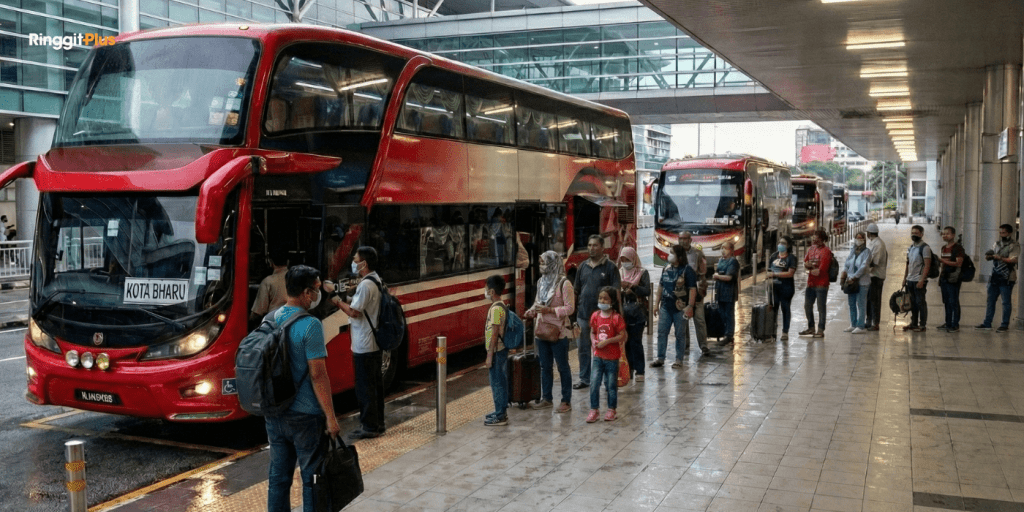
Bus travel continues to play a growing role in how Malaysians move around the country. New data from redBus shows bookings on its platform grew by 15% in 2025, reflecting steady demand for affordable and flexible domestic transport.
The data, based on redBus transactions throughout the 2025 calendar year, offers a snapshot of how everyday travel needs are shaping mobility patterns ahead of Visit Malaysia Year 2026. From work commutes to festive returns home, buses remain a practical option for many households managing rising living costs.
Several routes emerged as clear favourites in 2025. Journeys between Kuala Lumpur and Melaka recorded the highest volume of bookings, followed by routes connecting Kuala Lumpur with Johor Bahru, Kuantan, and Penang. Compared with 2024, bookings on these routes increased by around 20%.
These corridors link major urban centres with key regional cities, reflecting routine travel for work, education, and short leisure trips. For travellers, strong demand on these routes often means better service frequency, but it can also lead to faster sell-outs during busy periods.
Festive Travel Continues To Drive Peak Demand
Malaysia’s festive calendar remains one of the strongest influences on bus travel patterns. During major festive periods in 2025, bookings rose by about 10% compared with non-peak months. Hari Raya saw a year-on-year increase of 12%, while Chinese New Year recorded a sharper rise of 20.7%.
When festive periods fall close together, demand tends to stay elevated for longer. This creates pressure on seat availability. During the previous festive season, 41% of travellers experienced difficulty securing tickets due to limited supply, even with additional buses deployed. For consumers, this reinforces the value of booking earlier to avoid higher prices or limited options.
The year-end holiday period also stood out, accounting for 22% of total tickets sold between October and December, reflecting consistent demand during school holidays and extended breaks.
Expanding Routes Improve Access Beyond Major Cities
Beyond established corridors, several routes recorded the fastest growth in 2025. Journeys such as Bentong to Kuala Lumpur, Kuala Lipis to Kuala Lumpur, and Johor Bahru to Singapore saw strong increases compared with the previous year. These shifts point to rising demand for both inter-state and cross-border travel.
Newly introduced routes, including Kuala Besut to Johor Bahru and Sandakan to Tawau, also gained traction within a short period. Meanwhile, the Pasir Mas to Universiti Sultan Zainal Abidin route recorded notable growth, reflecting regular student travel between Kelantan and Terengganu. For travellers, wider route coverage improves connectivity and reduces reliance on private vehicles for longer journeys.
Solo And Short-Notice Travel Becomes More Common
Most bus journeys in 2025 were taken by solo travellers, who accounted for 82% of all tickets sold. Group travel made up a much smaller share. Many of these trips were linked to work, education, or returning home, highlighting the role of buses in day-to-day mobility rather than occasional travel alone.
Passengers are also increasingly booking closer to their departure dates. While this flexibility suits modern schedules, it can lead to higher prices or limited seat availability during peak travel windows, especially on popular routes.
Experience-Focused Trips Gain Momentum
As Visit Malaysia Year 2026 approaches, travel behaviour is gradually shifting towards more experience-driven journeys. Malaysians are increasingly planning trips around local culture and food, rather than treating travel as purely functional.
At the same time, familiar patterns remain. Kuala Lumpur to Melaka recorded high repeat bookings, often linked to short-distance travel for work or leisure. Terminal Bersepadu Selatan continued to be the busiest boarding terminal nationwide, while December emerged as the most active travel month overall.
How These Trends Shape Travel Costs And Planning
The 2025 travel data points to a busier and more competitive travel environment, particularly during weekends, festive periods, and school holidays. Higher demand can translate into faster sell-outs and fluctuating ticket prices, making timing an important factor for cost-conscious travellers.
For households managing regular travel expenses, planning ahead remains one of the most effective ways to control costs. At the same time, expanded routes and increased service frequency offer more flexibility for those balancing convenience with affordability.
As domestic travel activity builds towards Visit Malaysia Year 2026, bus travel is expected to remain a practical choice for Malaysians seeking reliable connections across states and regions, especially for everyday journeys where value and accessibility matter most.
Follow us on our official WhatsApp channel for the latest money tips and updates.
Samuel writes about personal finance and financial news, focusing on how banking updates, policies, and promotions affect everyday money decisions. He enjoys making complicated financial topics easier to follow. Outside of writing, he spends his time watching TV shows and occasionally convincing himself he will only watch one episode.
51vote
Article Rating
SHARE
About THE AUTHOR
Samuel Chua
Samuel Chua
Samuel writes about personal finance and financial news, focusing on how banking updates, policies, and promotions affect everyday money decisions. He enjoys making complicated financial topics easier to follow. Outside of writing, he spends his time watching TV shows and occasionally convincing himself he will only watch one episode.
We provide weekly updates on every Friday at 5pm on the prices of RON95, RON97 and Diesel in Malaysia and a chart that shows the movement of fuel prices across a 6-week period. Bookmark this page now!








Comments (0)