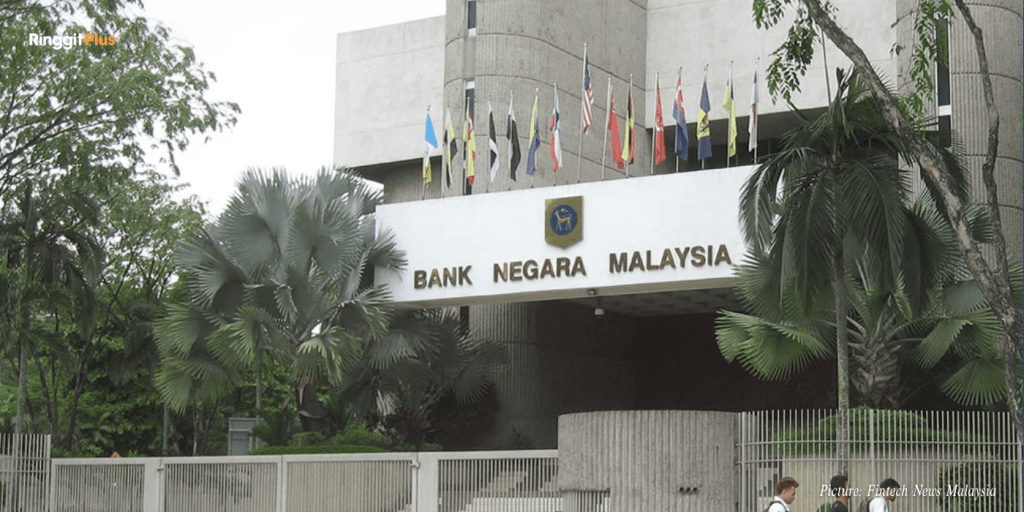
Malaysia’s economy continued to expand in the third quarter of 2025, supported by solid domestic demand and improving external conditions. At the same time, Bank Negara Malaysia (BNM) is strengthening national efforts to improve financial literacy, noting that strong economic numbers do not always reflect the financial pressure felt by households.
Malaysia Records 5.2% Growth In The Third Quarter
Malaysia’s economy grew by 5.2% in the third quarter of 2025, marking a stronger performance than the previous quarter. The growth was supported by steady household spending, stable investment activity and higher exports, especially in the electrical and electronics sector. Tourism remained strong and mining-related exports increased due to higher oil and gas production.
The services and manufacturing sectors continued to play a major role, while the mining sector rebounded after scheduled maintenance works.
Growth On Track For Upper End Of Annual Forecast
From January to September 2025, the economy recorded a growth rate of 4.7%, which is within BNM’s official forecast of 4.0% to 4.8% for the full year. BNM expects overall growth to finish closer to the upper end of that range.
Strong domestic demand, stable employment and ongoing major projects are expected to support economic activity for the rest of the year.
Inflation Remains Low And Stable
Headline inflation stayed at 1.3% in the third quarter. Core inflation increased to 2.0%, but overall price levels remained steady due to lower electricity and diesel prices, which helped offset increases elsewhere.
BNM expects headline inflation to remain moderate between 1.0% and 2.0% in 2025, and between 1.3% and 2.0% in 2026. These projections reflect steady demand, moderate costs and government efforts to protect households from the impact of policy changes.
Ringgit Strengthens Against Major Currencies
The ringgit appreciated by 0.8% on a nominal effective exchange rate basis in the third quarter of 2025. It also stayed broadly stable against the US dollar. As at 12 November 2025, the ringgit had strengthened by 5.3% on a trade-weighted basis and by 8.2% against the US dollar.
BNM said the stronger performance was supported by global monetary easing, improved trade sentiment and positive domestic economic prospects.
Strong Economy, But Households Still Feel Pressured
BNM Governor Datuk Seri Abdul Rasheed Ghaffour said Malaysia’s economic position remains stable and resilient. However, he noted that many Malaysians continue to feel pressure in their daily finances due to rising living costs, shifting job needs and rapid technological changes.
He said financial literacy is an essential life skill that helps individuals avoid excessive debt, make informed decisions and prepare for emergencies. The Financial Education Network (FEN) is updating the National Financial Literacy Strategy 2026–2030 to focus more on practical money management that supports long-term well-being.
More Digital Transactions, Smarter Fraudsters
Abdul Rasheed shared that 9 in 10 Malaysians now use digital financial services for everyday activities such as paying bills and buying insurance. However, this widespread use also comes with higher digital risks. Fraud attempts are becoming more sophisticated due to technologies such as artificial intelligence, including voice impersonation and deepfake facial manipulation.
BNM is working with financial institutions and enforcement agencies to strengthen cybersecurity. At the same time, the Governor stressed that consumers must remain cautious, as impulsive online spending and low awareness can affect savings and increase financial stress.
Targeted Money Guidance For Borrowers
To support responsible borrowing, BNM, Bank Rakyat, Bank Simpanan Nasional and Agrobank will introduce Just-In-Time Financial Education for personal financing applicants. This initiative will teach key financial concepts at the point of application, helping borrowers understand their commitments before taking on financing.
FEN has also introduced a Health Insurance and Takaful Guide to help Malaysians choose the right protection. Abdul Rasheed said small improvements in knowledge can be important during emergencies.
Managing Rising Healthcare Costs
BNM and its partners are carrying out reforms under the RESET programme to address rising medical costs and support the long-term sustainability of Malaysia’s healthcare system. These efforts aim to help households better manage health-related expenses in the future.
Malaysia’s Outlook Remains Positive
Despite global uncertainties, Malaysia’s economic outlook remains stable. Strong domestic demand, steady employment and ongoing investment activities are expected to support growth. Efforts to strengthen financial literacy and consumer awareness will help Malaysians navigate rising costs and rapid digital developments more confidently.
Follow us on our official WhatsApp channel for the latest money tips and updates.
Samuel writes about personal finance and financial news, focusing on how banking updates, policies, and promotions affect everyday money decisions. He enjoys making complicated financial topics easier to follow. Outside of writing, he spends his time watching TV shows and occasionally convincing himself he will only watch one episode.
00votes
Article Rating
SHARE
About THE AUTHOR
Samuel Chua
Samuel Chua
Samuel writes about personal finance and financial news, focusing on how banking updates, policies, and promotions affect everyday money decisions. He enjoys making complicated financial topics easier to follow. Outside of writing, he spends his time watching TV shows and occasionally convincing himself he will only watch one episode.
We provide weekly updates on every Friday at 5pm on the prices of RON95, RON97 and Diesel in Malaysia and a chart that shows the movement of fuel prices across a 6-week period. Bookmark this page now!







Comments (0)