Alex Cheong Pui Yin
Previously covered recruitment-related stories and had a short stint as a copywriter for the property industry. She subsequently developed an interest in investment and robo-advisors.

30th April 2020 - 3 min read
(Image: The Star)
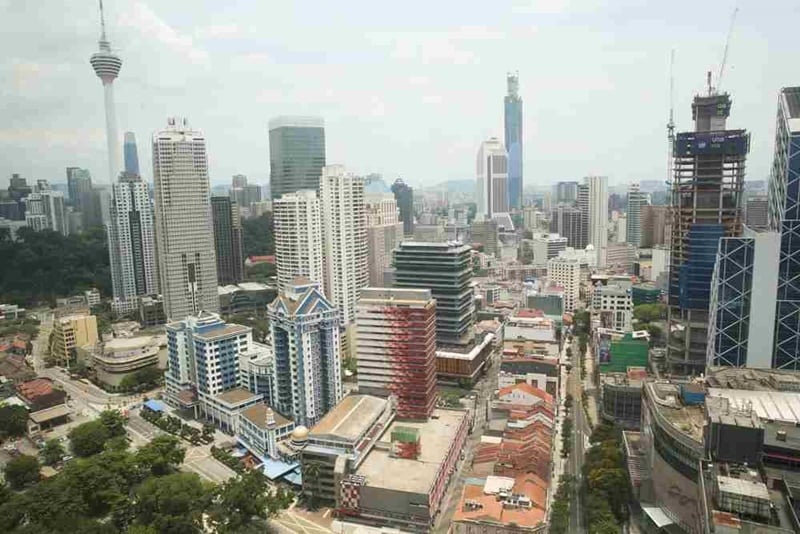
While Malaysia has progressed admirably in the past four decades, it now faces several challenges in continuing its growth trajectory, according to Moody’s Analytics in a research note. One such obstacle is the middle-income trap.
According to the bond credit rating firm, Malaysia may struggle to move up the value chain because of its inability to achieve high-income status through consistent strong growth.
“While manufacturing continues to drive economic growth, Malaysia is moving towards diversifying its economy through services such as tourism and Islamic banking,” said the firm, adding that these are knowledge and service-based industries. However, this change in industry composition will likely benefit urbanised areas more than rural areas, thus widening the income gap between states. This, in turn, compromised the country’s capability to rise in the value chain.
(Image: Bernama)
The research note also pointed out that Malaysia’s economic potential may be hindered by its relatively low foreign direct investment (FDI) to GDP ratio. “While Malaysia ranked above most Asean countries, as well as China and India in 1990, it had struggled to maintain its FDI lead of the past 10 years,” said the firm. As such, the nation will need to adapt broader trends for a longer-term projection in the future.
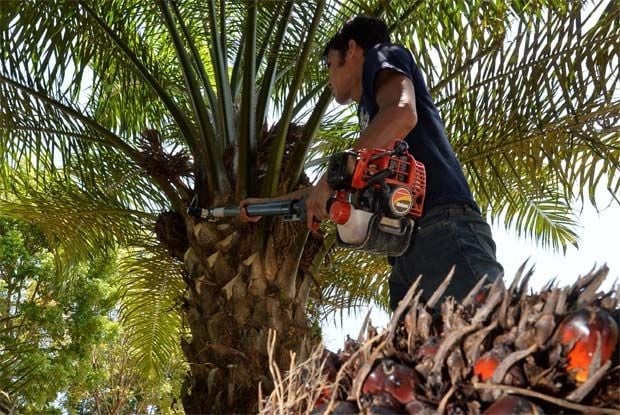
Moreover, the country’s role as an exporter of petroleum and palm oil meant that it is subject to volatile commodity prices and changes in global demand, thereby contributing to the nation’s struggle to achieve high-income status as well.
“Although crude oil as a share of exports has decreased steadily from a high of 6.5% in 2008 to 3.7% in 2018, palm oil has increased from 3.6% in 2005 to a peak of 8.5% in 2011, before falling back to 3.9% in 2018,” said Moody’s Analytics.
(Image: The Star)
With key trading partners increasingly opting for environment-friendly products, the demand for Malaysia’s exports has further dropped. For instance, the European Union (EU) is looking at imposing new limits on food contaminants in refined fats and oils, including palm oil. The crude oil industry is also challenged by demand for cleaner energy.
“Malaysia has plans to diversify its energy sources, but on palm oil, it is planning to challenge the EU in the World Trade Organisation rather than adapting to trends,” said the firm.
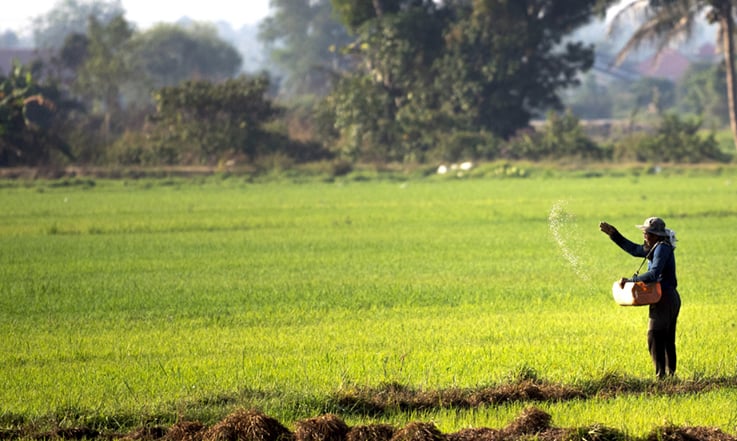
Aside from facing the middle-income trap, Malaysia is also struggling with the issue of income inequality – a growing problem between Malaysian states. This is especially so between richer states that serve as manufacturing hubs and other states that typically rely on agriculture. The situation is made worse as the younger workforce migrates to urbanised areas while older population moves back to rural areas to retire.
(Sources: The Malaysian Reserve, New Straits Times)
Previously covered recruitment-related stories and had a short stint as a copywriter for the property industry. She subsequently developed an interest in investment and robo-advisors.






Comments (0)