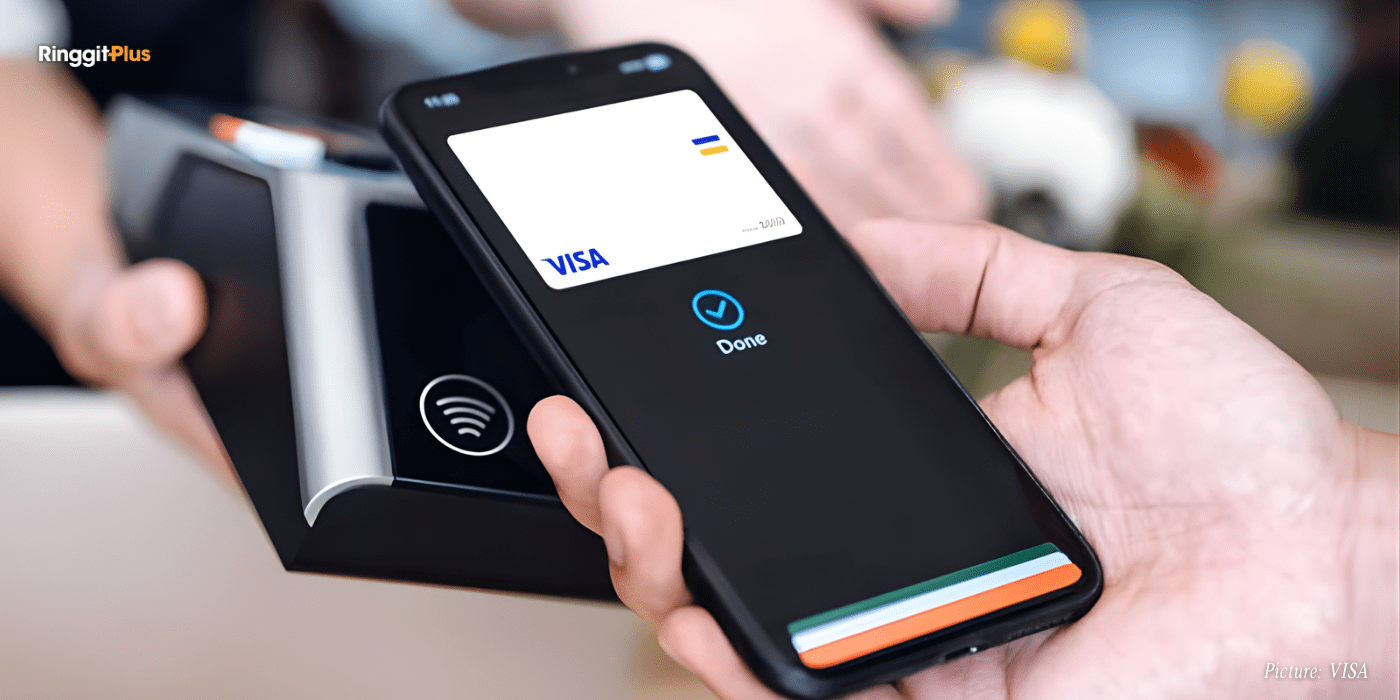
Real-time payments are now accepted by more than 96% of stores in Malaysia, marking a major milestone in the country’s shift towards instant digital transactions. Despite this widespread acceptance, cards remain the most commonly used payment method, and concerns around security and reliability continue to shape how consumers and businesses choose to pay.
The findings come from a recent Visa whitepaper [PDF] on real-time payments adoption across Southeast Asia, which highlights both strong momentum and unresolved challenges in Malaysia’s payments landscape.
Real-Time Payments Are Widely Available but Not Always Preferred
In Malaysia, real-time payments account for about 27% of in-store transactions at small and medium enterprises. Card payments, including credit, debit, and prepaid cards, still lead with a 34% share.
While real-time payments offer near-instant settlement, Malaysian consumers and businesses often view cards as faster in practice. Cards are also seen as more secure, more familiar, and smoother at checkout. On each of these measures, cards outperform real-time payments by more than 10 percentage points.
For everyday spending, this means that although most shops can accept instant transfers, many people still feel more comfortable tapping or swiping a card, especially for time-sensitive purchases.
Security Concerns Continue to Shape Payment Choices
Security remains a key concern for both consumers and businesses using real-time payments. More than 40% of consumers and over one third of small and medium enterprises worry about fraud, scams, or payments being sent to the wrong account.
Around 35% of consumers are also concerned about data privacy and cybersecurity. This is notable given that nearly half of respondents across Southeast Asia already use real-time payments for daily expenses such as groceries and bill payments, both in-store and online.
A key issue is that real-time payments are typically irreversible. Once funds are sent, they cannot be easily recovered, which raises the stakes for mistakes or fraud compared with card payments that often offer chargeback protection.
Small Businesses Face Operational and Checkout Challenges
For small and medium enterprises, payment-related issues go beyond security. Many businesses report operational problems such as failed or declined transactions and difficulty matching payments with sales records.
Customer experience is another pressure point. About two thirds of businesses experience delays at checkout or requests for payment methods they do not support. Around half of businesses that do not accept cards say they have lost sales from both local and international customers due to limited payment options.
These frictions can affect cash flow, queue times, and overall customer satisfaction, all of which matter for businesses operating on thin margins.
Cross-Border Payments Remain a Weak Spot
Real-time payments are far less popular for overseas spending. Fewer than 15% of Malaysian consumers used real-time payments for their most recent cross-border transaction. Security concerns and the inability to reverse payments are the main reasons cited.
With Malaysia preparing for higher tourist arrivals under Visit Malaysia 2026, the ability for local businesses to accept familiar and trusted payment methods from foreign visitors is becoming increasingly important. International travellers tend to expect smartphone-based and card-linked payments that work seamlessly across borders.
How Payment Infrastructure Is Evolving
Visa is positioning its services to address both security and interoperability gaps. Its account-to-account solutions use artificial intelligence and behavioural analytics to detect fraud in real time, before funds are transferred. According to Visa, pilot programmes in other markets have significantly improved fraud detection rates compared with existing systems.
On the acceptance side, Visa is expanding services that connect QR payments and mobile wallets to its global network. These tools allow consumers to use familiar payment methods abroad, while enabling merchants to accept multiple digital payment types without investing in expensive point-of-sale hardware.
What This Means for Malaysian Consumers and Businesses
For consumers, the findings explain why cards continue to dominate everyday spending, even as instant transfers become more common. Perceived security, dispute protection, and ease of use still influence payment choices, especially for higher-value or overseas transactions. Understanding these differences can help individuals decide which payment method best suits each situation.
For small and medium enterprises, near-universal real-time payment acceptance does not automatically translate into smoother operations or higher sales. Businesses that rely on a single payment method may face checkout delays, reconciliation issues, or missed revenue opportunities. Offering a mix of payment options can reduce friction and improve customer experience, particularly as tourism and cross-border spending grow.
At a broader level, Malaysia’s high adoption rate shows strong digital readiness, but the next stage of growth depends on trust, reliability, and interoperability. Strengthening safeguards and improving integration between payment systems will be key to ensuring that real-time payments support, rather than complicate, everyday financial decisions for both consumers and businesses.
Follow us on our official WhatsApp channel for the latest money tips and updates.
Samuel writes about personal finance and financial news, focusing on how banking updates, policies, and promotions affect everyday money decisions. He enjoys making complicated financial topics easier to follow. Outside of writing, he spends his time watching TV shows and occasionally convincing himself he will only watch one episode.
00votes
Article Rating
SHARE
About THE AUTHOR
Samuel Chua
Samuel Chua
Samuel writes about personal finance and financial news, focusing on how banking updates, policies, and promotions affect everyday money decisions. He enjoys making complicated financial topics easier to follow. Outside of writing, he spends his time watching TV shows and occasionally convincing himself he will only watch one episode.
We provide weekly updates on every Friday at 5pm on the prices of RON95, RON97 and Diesel in Malaysia and a chart that shows the movement of fuel prices across a 6-week period. Bookmark this page now!




Comments (0)