About 8.4% of Malaysians are 65 or older, up from 8.0% a year earlier, according to the 2026 population estimates from the Department of Statistics Malaysia (DOSM). Adult children in their late 30s and 40s can end up in the sandwich generation, helping a retired parent while still paying a home loan and raising children.
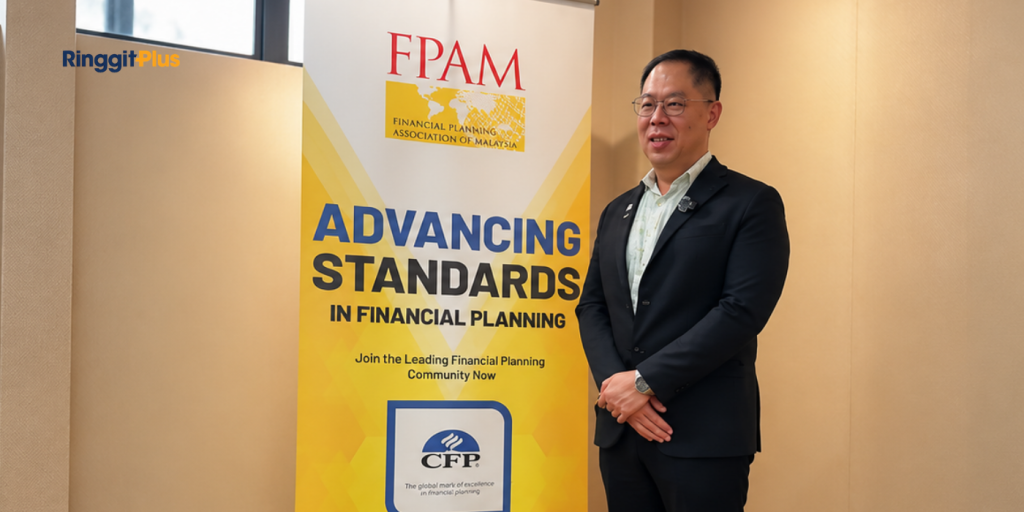
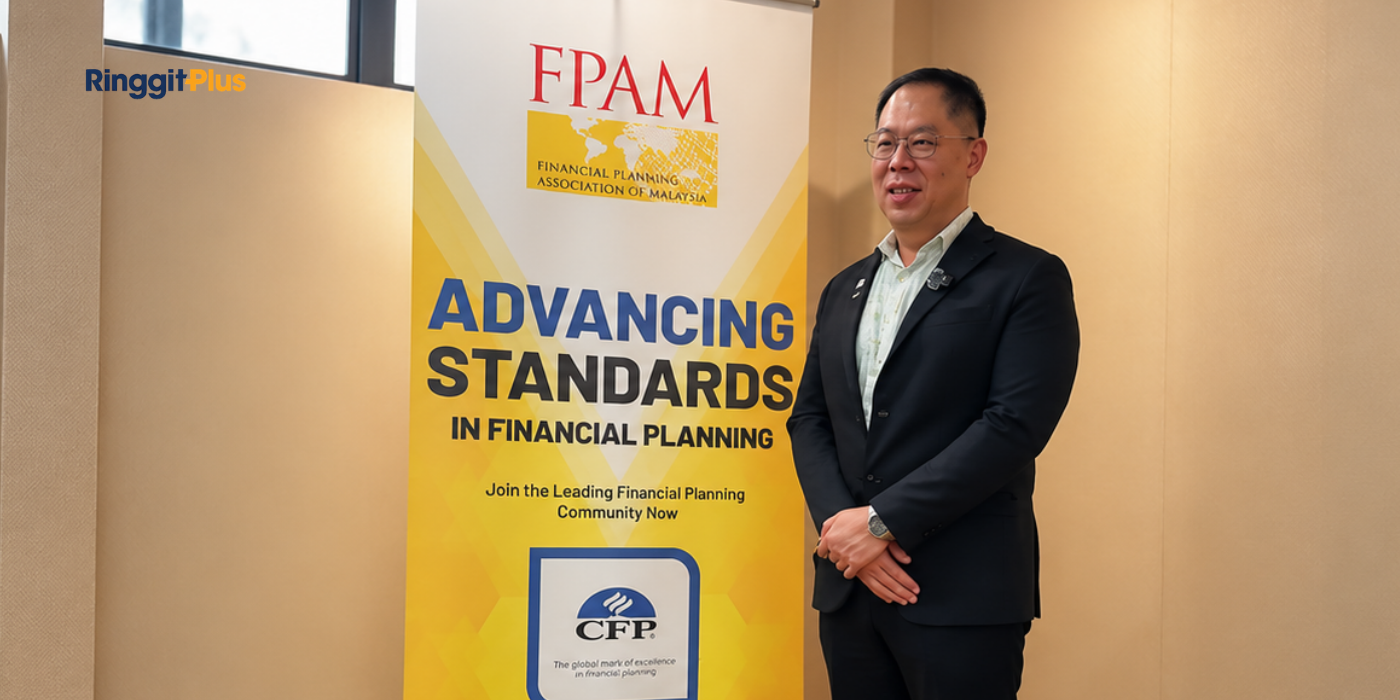
Goh says the biggest blind spot for people supporting both their parents and their children is not sitting down to work out the full family picture. He compares financial planning to a GPS, which can only plan a route once it knows where you are starting from.
His advice is to write down what you earn and owe, and what you already pay for your parents and children. Once it’s all on one page, you can see how much room you have to help, and where you may need to cut back.
Long-Term Care Is The Cost Most Lists Miss
Medical bills are easy to add to that list. Goh says the cost that goes missing is long-term care. It covers what comes after the hospital stay, such as physiotherapy, medication, and changes to the home.
Goh’s own father had a heart attack and a stroke. The family had to consider a hospital bed and an oxygen tank at home, and whether to hire a full-time caregiver. None of that appears on a hospital bill, but all of it has to be paid for.
Plan for University Costs Too
Children’s education is the other cost families underestimate. Tuition is only part of it, because university also means paying for accommodation and daily living costs. Goh suggests writing each cost down so you know how much each one needs. Doing this now makes it easier to see what you can afford to give your parents.
Ask Your Parents What They Want
Care costs depend a lot on what your parents want, which means you need to ask them. That can be an awkward conversation because money is a sensitive subject, Goh says. Instead of asking how much they have, he asks how they want to spend their retirement. He also asks how they’d want to be cared for if their health changed.
Would they rather stay at home with a caregiver or move to a senior living home? Senior living homes can cost RM10,000 to RM20,000 a month, he says, so the answer changes the budget a great deal.
His advice is to look at your parents’ wishes before you look at their bank account. If you have siblings, bring them into the conversation early, so everyone hears the same thing from your parents.
Set A Monthly Budget For Your Parents
Once you know what your parents want from their retirement, you’ll know what you’re being asked to cover, and that’s where limits come in. Goh says setting a limit on how much you give your parents can sound cruel, and that this feeling is very common in Asian families, so he suggests changing how you put it. Instead of telling your parents you can’t afford to help, tell them you’d like to keep caring for them. Then ask how they’d like to be looked after.
From there, set a monthly amount you can afford and work within it. After his mother retired and her medical bills rose, Goh and his siblings discussed having her use public healthcare rather than relying fully on private hospitals. They could afford private care, he says, but wanted an arrangement they could sustain. A private hospital is still an option in an emergency.
Goh avoids giving a fixed rule for how much to give, because the right amount depends on your income, your time, and your responsibilities. A single person with no children has a very different capacity from a married parent of two. As a rough starting point, he suggests this split of your monthly income.
Where the money goes
Share of income
On RM5,000 a month
Essentials
About 50%
RM2,500
Your parents
10% to 15%
RM500 to RM750
Your children
10% to 15%
RM500 to RM750
Your own emergency savings and future
10% to 15%
RM500 to RM750
Buffer for any shortfall
About 5%
RM250
The RM5,000 column is our own calculation from his percentages. Because each share is a range, the total comes to between RM4,250 and RM5,000. If the split doesn’t fit your situation, adjust it to your own commitments. The aim is to support your parents without relying on debt or dipping into savings meant for your own future.
In Parent Care, Fair Doesn’t Mean Equal For Siblings
You don’t have to cover the cost alone. If you have siblings, Goh says fair doesn’t mean equal. He gave the example of three adult children earning RM14,000, RM6,000, and RM4,000.
An equal split would hit the lowest earner hardest, and that sibling may already be giving time by driving a parent to appointments or preparing meals. He calls this unpaid caregiving and says the hours carry a financial value too.
Check Government Help Before Your Savings
Your monthly share may be smaller if your parents qualify for government help. Goh suggests checking this before you cut back on retirement savings or insurance. Bantuan Warga Emas pays RM600 a month to citizens aged 60 and above in households below the poverty line. To apply, visit your nearest JKM office with proof of income and address.
If you pay for a parent’s medical or carer costs, LHDN also gives up to RM8,000 in extra tax relief. Both are among the government benefits after 60 we’ve listed. Confirm the current rates and eligibility with JKM and LHDN before you apply.
When to Use Your EPF
If your parents’ costs rise past what you planned, your EPF savings can seem like the easy answer. Before you use them, Goh says to remember that EPF is meant for your retirement. Ask whether a withdrawal is necessary and whether you have other options first. Splitting the cost with your siblings is one alternative. If a parent needs an emergency operation, he considers a withdrawal reasonable.
Have a plan to top up Akaun Fleksibel or your retirement savings afterwards, because that money has to support you when you retire. If you’re unsure what each account is for, see how EPF savings work.
Warning Signs Your Support Has Become Too Much
Goh highlights three warning signs to watch for to help you spot when family commitments are becoming financially unsustainable.
Revolving credit card debt, or personal loans taken to cover family costs such as a wedding or a house renovation. The payments may look manageable while you’re earning, so he asks what would happen if your income stopped. Buy now,pay later plans can hide the problem because each payment, such as “only five ringgit a month”, seems small.
Dipping into retirement or emergency savings to cover day-to-day expenses. That money is meant for emergencies and for later in life, so needing it every month means the budget has to change.
Borrowing from your parents or relatives. If you’re already short, borrowing to keep the same level of support only delays the problem.
If you see any of these, he suggests sitting down with a financial planner to see where you stand.
Goh adds that social media can push you toward these signs, because it makes expensive holidays and dinners for parents look like the norm. If you can afford them, that’s fine. If you can’t, he says covering essentials comes before luxuries, and your own emergency fund and retirement savings should stay untouched.
Look After Yourself First
When we asked Goh what someone caring for both their parents and children should do first with their money, his advice was not to panic. Instead, understand where you stand financially and what your responsibilities are, then work out a budget you can sustain.
Goh compares looking after yourself first to the airline rule. You put on your own oxygen mask before helping the person next to you. He says it isn’t selfish, because if you can’t earn, nobody is left to care for your parents or your children. He also describes financial planning as the stick that holds a sandwich together, because without a plan the pieces slide out.
That starts with protecting yourself against unexpected expenses. He suggests reviewing your medical insurance, critical illness cover, and life insurance, and keeping an emergency fund for costs that insurance doesn’t cover. If you haven’t reviewed your coverage in a while, you can compare plans on the medical card comparison page.
Follow us on our official WhatsApp channel for the latest money tips and updates.
Iman writes about personal finance with curiosity. She is interested in the stories behind money, the hesitation around big decisions, and the small habits that shape financial futures. Off the clock, she is either dissecting a film or climbing her way up the leaderboard in her favourite games.
00votes
Article Rating
SHARE
About THE AUTHOR
Iman Aminuddin
Iman Aminuddin
Iman writes about personal finance with curiosity. She is interested in the stories behind money, the hesitation around big decisions, and the small habits that shape financial futures. Off the clock, she is either dissecting a film or climbing her way up the leaderboard in her favourite games.








Comments (0)