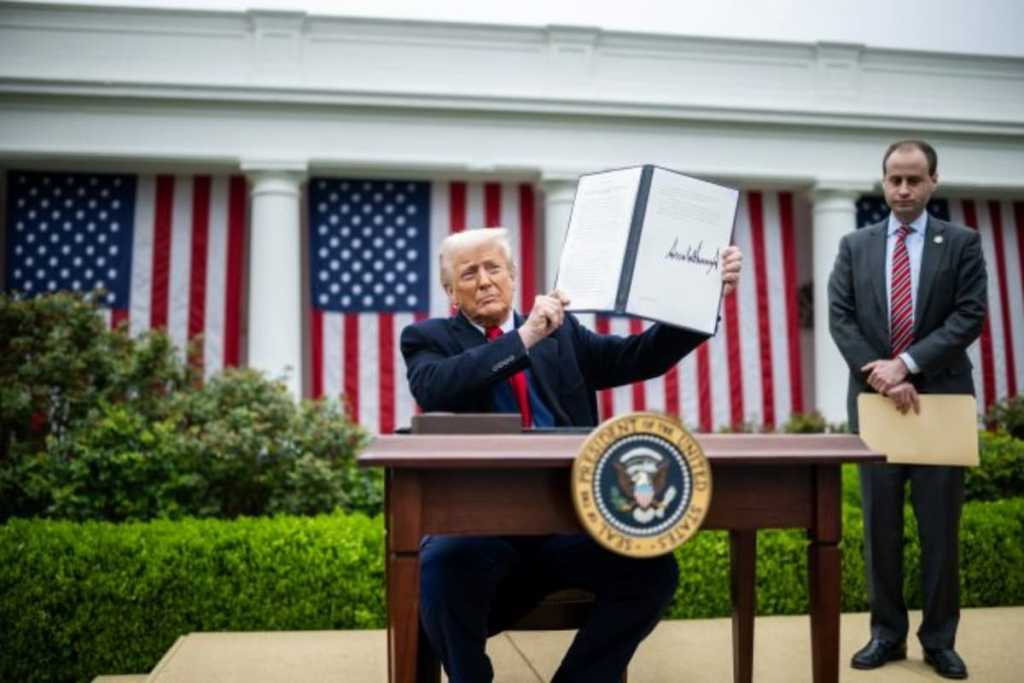
The 25% tariff increases the cost for American companies to purchase and import products from Malaysia. This significant price increase could lead to a reduction in demand for Malaysian goods from the US market.
The value of the Ringgit is connected to the flow of international trade. A large portion of Malaysia’s exports are paid in US dollars. To pay for their local expenses, these companies must convert their US dollar earnings back into Ringgit.
A drop in exports to the US means Malaysian firms earn fewer US dollars, resulting in less conversion into our local currency. This reduction in demand for the Ringgit can, in turn, cause its value to weaken.
The Effect on Prices of Imported Goods
A potential weakening of the Ringgit influences the prices of imported goods. Many items available in local shops, from food and groceries to electronics, are either imported directly or manufactured using imported components. For example, the cost of imported fresh produce, dairy products, and branded consumer electronics could increase.
Businesses that import these goods face higher import costs. These increased costs are often passed on to the consumer, which may result in higher retail prices for many items.
Potential Impacts on Local Employment
Trade tariffs can also have significant effects on employment within industries that have high export volumes to the US.
The US market is a primary destination for several of Malaysia’s most important export industries. Based on official trade data, this includes our electronics and semiconductor sector, as well as machinery, wood products including furniture, and rubber goods. A large decrease in orders from American buyers could lead these companies to scale back production. These businesses might reconsider their staffing levels, which could include hiring freezes or workforce reductions to manage operational costs.
A downturn in these key export industries can also ripple throughout the broader economy. A slowdown in a major industry can impact related sectors, such as logistics and local service providers that support the factories and their employees. The financial health of a factory in Penang can influence the livelihood of a lorry driver in Kedah or a cafe owner in Kulim.
Protecting Your Pocket
According to RinggitPlus’ Malaysian Financial Literacy Survey (RMFLS) for 2024, 55% of respondents remain anxious or frustrated about their finances, highlighting the continued pressure from the cost of living. Against this backdrop, news of a new tariff can feel like another factor out of your control. However, taking practical steps can make a real difference to your financial health. A good first step is to look at where your money is going each month by checking your bank statements for spending on imported groceries or online subscriptions priced in US dollars, like Netflix or Spotify.
Choosing quality Malaysian-made products over imported ones, even for just a few items, is a direct way to lessen the impact of a potential weak Ringgit on your budget.
With possible uncertainty in some job sectors, having a strong safety net is more important than ever. This is a good time to check on your emergency fund. Aiming to have three to six months of essential living expenses saved up provides a crucial buffer to handle unexpected challenges without needing to take on debt.
While government policy and trade decisions will influence the wider economy, the steps you take today still matter. Paying attention to your spending, building up your savings, and choosing local products when you can are practical ways to stay financially steady, even during uncertain times.
Insider Insight
“With the new SST, the upcoming petrol subsidy rationalisation, and now the economic impact of the Trump tariffs, the outlook for the Malaysian consumer is deteriorating. It is going to be more challenging for the government to stick to its deficit reduction targets. Do they continue raising taxes and cutting government spending, or do they loosen budget restrictions to stimulate the economy? Budget 2026 is going to be very interesting.” Siew Yuen Tuck, Group CEO, RinggitPlus
Samuel writes about personal finance and financial news, focusing on how banking updates, policies, and promotions affect everyday money decisions. He enjoys making complicated financial topics easier to follow. Outside of writing, he spends his time watching TV shows and occasionally convincing himself he will only watch one episode.
Samuel writes about personal finance and financial news, focusing on how banking updates, policies, and promotions affect everyday money decisions. He enjoys making complicated financial topics easier to follow. Outside of writing, he spends his time watching TV shows and occasionally convincing himself he will only watch one episode.






Comments (1)
Thanks for sharing