Alex Cheong Pui Yin
Previously covered recruitment-related stories and had a short stint as a copywriter for the property industry. She subsequently developed an interest in investment and robo-advisors.

30th November 2022 - 2 min read

The World Bank Group has remarked that Malaysia is doing better than other ASEAN countries in terms of the development of sustainable finance and implementation of policy frameworks.
According to senior economist at The World Bank Group Inclusive Growth and Sustainable Finance Hub in Malaysia, Tatiana Didier, the nation stands at the forefront of economic development among all ASEAN-5 countries (Indonesia, Malaysia, the Philippines, Thailand, and Vietnam). She said that Malaysia is also doing well against some of the other peer countries.
“When it comes to developing sustainable finance, a lot of the building blocks are out there. I think Malaysia should be showcased to the rest of the world,” said Didier, who also spoke about the importance of closing data gaps and enhancing information system with the effective implementation of disclosure standards and taxonomies.
To clarify, the implementation of disclosure standards will help to facilitate market transparency, which in turn, allows proper risk assessment among firms. Meanwhile, taxonomy – in the context of sustainable finance – refers to definitions that help to categorise specific sustainable investments, or the economic activities within it. With the application of taxonomies, policy makers can determine their priorities more effectively, and decide where sustainable investments are most needed.
The World Bank further noted Malaysia’s achievements in its recent publication, the Unleashing Sustainable Finance in Southeast Asia (SEA) report – which also said that ASEAN-5 economies with more developed financial markets tended to have more developed enabling policy frameworks as well.
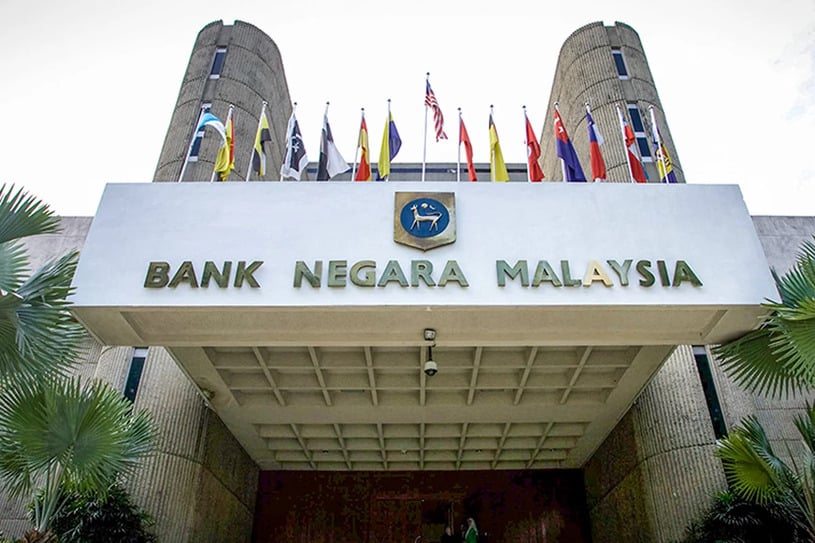
To highlight some of Malaysia’s initiatives, Bank Negara Malaysia (BNM) released a principles-based approach for financial markets taxonomy – dubbed the Climate Change and Principle-based Taxonomy (CCPT) – back in April 2021. It took into consideration the state of Malaysia’s economic development and the early-stage adoption of climate risk management practices within the country. At the same time, it also sought to allow better alignment with international classification standards.
Additionally, the Securities Commission Malaysia (SC) issued a proposed capital markets taxonomy in 2021, called the Sustainable and Responsible Investment (SRI) Taxonomy. Currently in its consultation phase, this taxonomy covers four major categories – environment, transition, social, and sustainability.
Despite these achievements, the World Bank also suggested Malaysia can further improve these taxonomies as they currently lack detailed classification and technical thresholds.
(Source: Malay Mail)
Previously covered recruitment-related stories and had a short stint as a copywriter for the property industry. She subsequently developed an interest in investment and robo-advisors.





Comments (0)