The government will now plan housing developments using data from the Department of Statistics Malaysia (DOSM), the National Property Information Centre (NAPIC), and other agencies, so that homes get built where people need them, at prices matched to local incomes. Deputy Housing and Local Government Minister Datuk Aiman Athirah Sabu announced this in the Dewan Rakyat on 14 July 2026, in response to a question about rising house prices and overbuilding. She also said 1,615 troubled and abandoned housing projects have been rescued since December 2022.
If you are planning to buy a house that is still under construction, there are free checks you can do to protect your money before you sign anything, and most take less than an hour online. There is also more help available if you are buying your first home.
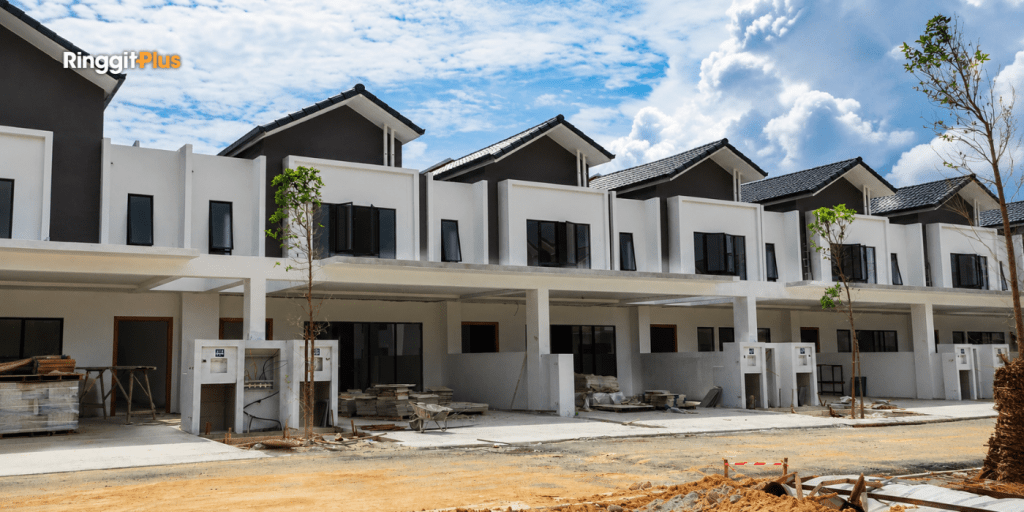
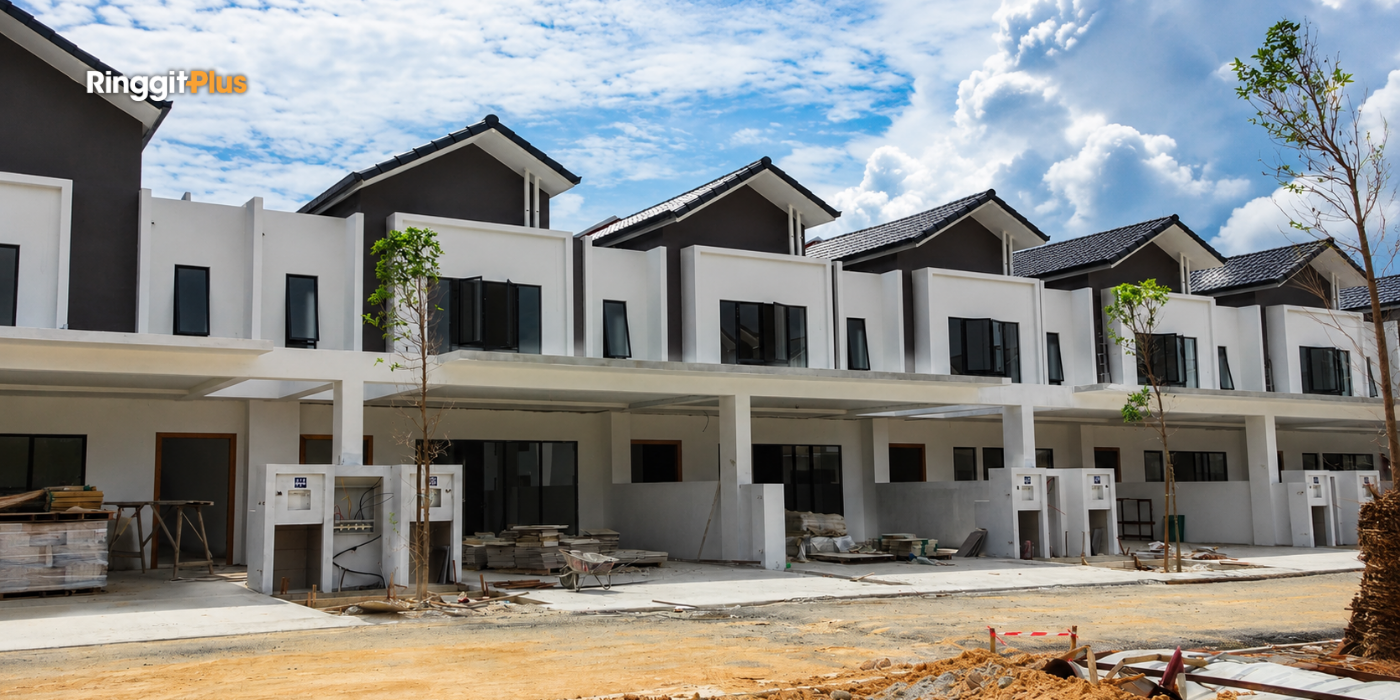
What Happens To Your Money When A Project Stalls
The Housing and Local Government Ministry (KPKT) calls a project “sick” when it falls badly behind schedule, and “abandoned” when nothing has happened on site for six months, or the developer gives up or goes bust. Between December 2022 and May 2026, a government special task force restored or brought back on track 1,615 troubled and abandoned projects, covering 190,422 homes with a combined gross development value of RM150.86 billion.
A stalled project hurts because of how home loans for new builds work. Your bank does not pay the developer everything at once. It releases the money in stages as the building goes up, and your loan repayments start once the first payment goes out. So if construction stops halfway, you are stuck paying for a half-built house you cannot live in, often while renting somewhere else too. A revival restarts construction, but buyers do not get back the rent and loan instalments they paid while the site sat empty.
How To Vet A Developer Before You Sign
Every licensed developer must have a valid Developer’s Licence and Advertising Permit, known together as the APDL. The APDL number must appear on every ad and brochure. No APDL means the developer is breaking the law, so walk away.
You can check everything yourself on KPKT’s TEDUH portal. It shows whether a developer’s licence is valid and which projects are on the sick and abandoned list. Search using the exact company name on your booking form, not the brand on the billboard, because some developers register a different company for each project.
A developer that has completed several projects on time is also safer than one on its first launch. If a project has been “launching soon” for years, or the price is much lower than similar homes nearby, check the developer’s record extra carefully before you commit.
Budgeting For The Costs After You Get The Keys
Many new homes, especially affordable units, come as bare shells with no kitchen cabinets, lights, or other basic amenities. Fitting out a unit can cost tens of thousands of ringgit on top of the purchase price, and buyers who spent all their savings on the deposit often end up charging it to credit cards or personal loans at higher interest rates.
Under the Housing Credit Guarantee Scheme (SJKP), the government guarantees financing of up to 120% of a house’s value for eligible first-time buyers, and the extra portion can pay for renovations. The scheme is designed for people who find it hard to get a normal home loan, such as gig workers and small traders without payslips.
Do note that the renovation portion is still a loan. You pay interest on it for the full tenure, which can run up to 35 years, so RM40,000 borrowed costs far more in the end than RM40,000 paid in cash. If you can cover part of the fit-out from savings, you will pay less overall.
How Affordable Home Prices Will Be Set
The government is also finalising the National Housing Policy for 2026 to 2035, which will set affordable housing prices based on what households in each state and district earn, using DOSM’s 2024 Household Income and Basic Amenities Survey. The same data will also guide housing supply, so the homes built in your area should better match what people there need and can pay for.
If you’re ready to buy a house now, compare home loan rates from a few banks instead of taking the one the developer’s sales team suggests, and ask each bank for the full monthly instalment including insurance or takaful. Set aside cash for legal fees, stamp duty, and fit-out before you pay any booking fee. Our step-by-step guide for new homebuyers walks through the whole process, from checking what you can afford to signing the loan agreement.
Follow us on our official WhatsApp channel for the latest money tips and updates.
As a creative content writer, Eloise has covered finance, business, lifestyle topics, and even moonlights as a singer-songwriter outside of RinggitPlus. Her current interests are learning the best ways to optimise spending and credit card hacks to gain more airline miles.
51vote
Article Rating
SHARE
About THE AUTHOR
Eloise Lau
Eloise Lau
As a creative content writer, Eloise has covered finance, business, lifestyle topics, and even moonlights as a singer-songwriter outside of RinggitPlus. Her current interests are learning the best ways to optimise spending and credit card hacks to gain more airline miles.




Comments (0)