Alex Cheong Pui Yin
Previously covered recruitment-related stories and had a short stint as a copywriter for the property industry. She subsequently developed an interest in investment and robo-advisors.

3rd August 2022 - 2 min read

Several economists have stressed that the Employees Provident Fund (EPF) contribution rate for members – which was recently restored back to 11% – must not be lowered again. This is to ensure that they will be able to secure their retirement and cope with increasing expenses in the future, such as rising medical costs.
Specifically, associate professor from Universiti Putra Malaysia, Rusmawati Said stressed that employees must tap into the restored 11% contribution rate to boost their savings. If they are unable to do so, their retirement may be at risk. “Contributors would be ‘burdened’ by the increasing medical costs if they do not chip in more now,” she also cautioned.
For context, the government had set the statutory employee contribution rate at 9% for the whole of last year under Budget 2021 – lower than the original 11% that employees typically have to pay. This was in a bid to increase the take-home pay of EPF members, thereby providing them with some extra cash flow to ease financial hardships during the government’s fight against Covid-19. The reduced rate was then extended to mid-2022, and eventually restored back to 11% in July.
Rusmawati further shared some calculations to underscore her message; with the restored 11% contribution rate, an individual earning RM2,000 a month will be required to contribute RM220 instead of the lower RM180 when the rate was previously set at 9%. She also stressed that although she understood the value of the additional RM40 paid, especially for those who are currently struggling with the high cost of living, there is a need to look at the long term.
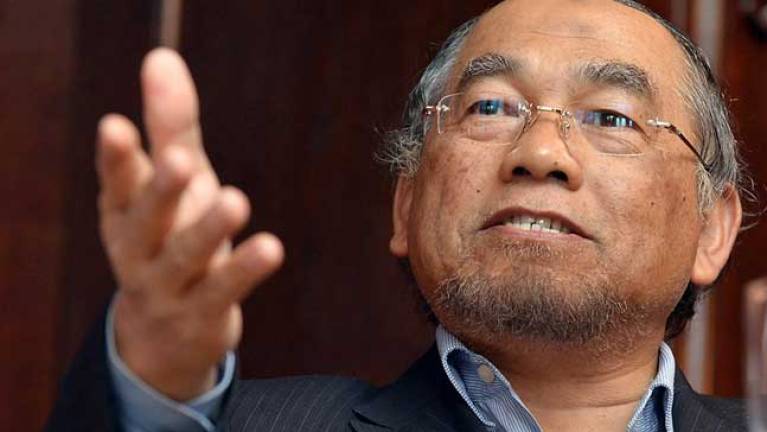
Similarly, professor at Universiti Tun Abdul Razak, Barjoyai Bardai also applauded the EPF’s decision to restore the statutory employee contribution rate to 11%. He noted, however, that it is still the lowest rate when compared to Malaysia’s neighbouring countries.
The economist also reiterated the importance of EPF contributions, despite the availability of other saving schemes provided by the government. Additionally, he urged employees to refrain from regarding the amount deducted for such contributions as a loss, as they will eventually be able to access them again – with interest.
“EPF isn’t a tax but a long-term saving scheme,” Barjoyai emphasised, adding that this return to the 11% contribution rate can limit disruptions to retirement plans.
(Source: Free Malaysia Today)
Previously covered recruitment-related stories and had a short stint as a copywriter for the property industry. She subsequently developed an interest in investment and robo-advisors.








Comments (0)