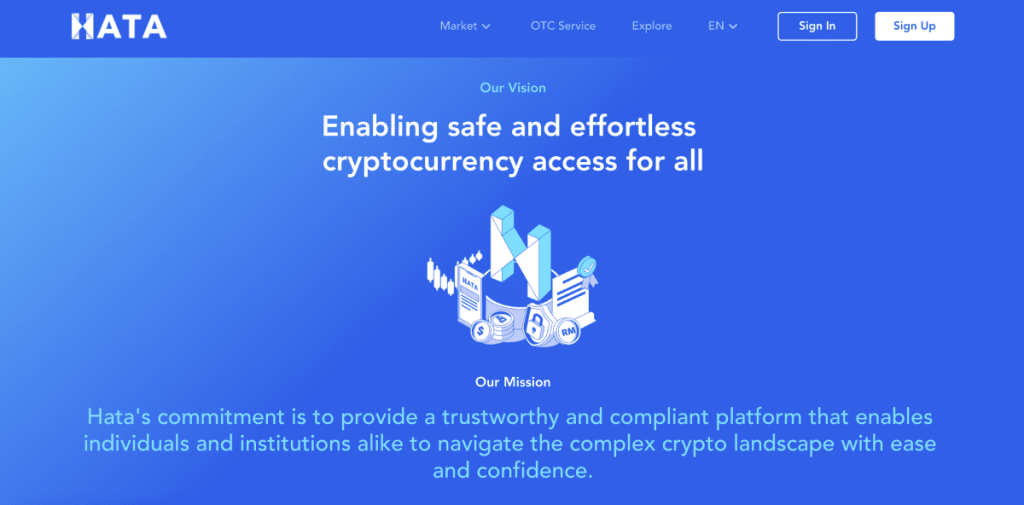
Hata, one of Malaysia’s six regulated cryptocurrency exchanges, has introduced Solana (SOL) staking on its platform, offering users the potential to earn up to 5.95% annually. With this launch, Hata becomes the second regulated exchange in the country to offer native staking services, following Luno.
The staking feature allows users to begin with as little as 0.1 SOL and receive rewards that are automatically credited to their wallets on a daily basis. The process is integrated within the Hata mobile app and operates through the company’s own validator infrastructure, with no requirement for users to manage external wallets or staking nodes.
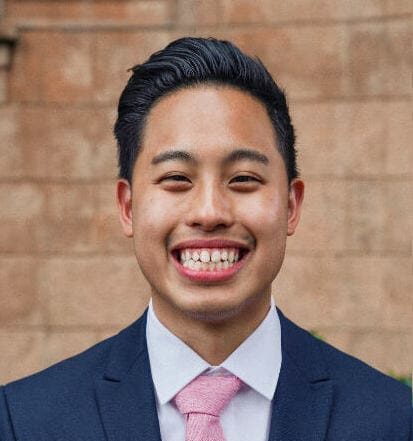
David Low, Chief Executive Officer of Hata, said the goal is to make long-term crypto investing more accessible. “We are bullish on Solana, and we want Malaysians to maximise gains through long-term investment and compounding returns. We’ve made staking straightforward so users can grow their wealth without needing technical expertise,” he said.
What Is Crypto Staking And What Are The Risks?
Crypto staking is the process of locking a certain amount of cryptocurrency to support the operations of a blockchain network that uses a proof-of-stake (PoS) consensus mechanism. By staking tokens, users help validate transactions and secure the network. In return, they earn periodic rewards, usually paid in the same cryptocurrency they’ve staked.
For long-term holders, staking can be a way to earn passive income without needing to actively trade. It’s also more energy-efficient than traditional crypto mining and, thanks to platforms like Hata, users can stake without dealing with technical steps or managing external wallets. Some services offer flexible staking with no lock-in period, while others require users to keep their assets locked for a set duration.
However, staking comes with important risks that investors should understand before committing their funds.
Price Volatility
Staking rewards can look attractive, but they are paid in the same asset you stake, in this case, SOL. That means your returns depend entirely on the token’s market price.
For example, if you stake RM1,000 worth of SOL and the price drops by 40 percent, your holdings would be worth only RM600. The money you earn from staking would not cover your losses if the price of SOL drops.
Staking does not shield you from market downturns. It is not a fixed-income product. You are still exposed to price movements and your total return is highly dependent on how the token performs in the market.
Lock-Up Period
When you stake your SOL, it becomes locked within the network. You cannot sell or move it immediately, even if the market turns against you.
Solana requires an unstaking period that typically lasts 2 to 3 days. During this time, your assets remain inaccessible. If the price of SOL starts falling sharply, you might want to exit quickly, but you will have to wait until the unstaking process completes.
It is like being stuck in a traffic jam with a storm on the horizon. You can see the trouble coming, but you cannot exit until the road clears.
How Hata Compares to Luno
Luno, the largest regulated cryptocurrency exchange in Malaysia, has provided staking services since 2023. Its platform supports a range of digital assets for staking, including Ethereum (ETH), Cardano (ADA), Solana (SOL), Cosmos (ATOM), Polkadot (DOT), and NEAR.
Hata, by comparison, currently supports only Solana. Rewards are distributed daily, and the platform states that its fees are included in the quoted annual return, though no detailed breakdown is published. Luno pays out rewards at intervals ranging from two to seven days, depending on the asset, and applies an asset-specific service fee which is deducted from the rewards. For example, the fee for Solana is 35% and for Cosmos it is 40%.
Below is a side-by-side comparison of key features:
The introduction of Solana staking by Hata adds to the growing list of passive income options available in Malaysia’s cryptocurrency market. Users now have more opportunities to earn staking rewards through regulated local platforms. While Hata’s service currently supports only one asset, it delivers daily rewards through a streamlined process. Luno provides access to a wider range of assets, with varying reward rates and schedules.
Differences in supported coins, payout frequency, and fee structures may influence user preferences. Both platforms are regulated in Malaysia and operate under oversight from the Securities Commission Malaysia. The choice of platform will likely depend on each investor’s specific needs, including existing holdings, desired reward intervals, and comfort with platform features.
Choosing the Platform That Fits You Best
Hata currently offers staking for Solana with daily reward payouts. Luno supports multiple staking assets, including Ethereum, Cardano, Solana, Cosmos, Polkadot, and NEAR, with reward frequency ranging from two to seven days depending on the asset. The two platforms differ in their supported coins, payout schedules, and fee structures.
Ready to Stake? Here’s What to Consider
Before staking, investors should review platform terms and understand the potential impact of lock-in periods, service fees, and reward schedules. As cryptocurrency continues to gain traction in Malaysia, staking is likely to remain a relevant option for users seeking passive income within a regulated environment.
Follow us on our official WhatsApp channel for the latest money tips and updates.
Samuel writes about personal finance and financial news, focusing on how banking updates, policies, and promotions affect everyday money decisions. He enjoys making complicated financial topics easier to follow. Outside of writing, he spends his time watching TV shows and occasionally convincing himself he will only watch one episode.
Samuel writes about personal finance and financial news, focusing on how banking updates, policies, and promotions affect everyday money decisions. He enjoys making complicated financial topics easier to follow. Outside of writing, he spends his time watching TV shows and occasionally convincing himself he will only watch one episode.




Comments (0)