Grocery prices have crept up over the past year, and most Malaysian families are feeling it at the checkout counter. A trolley that cost RM150 six months ago now rings up closer to RM200, even though you’re buying roughly the same thing.
Part of it is inflation, but a bigger part is habit. We reach for the same brands without checking whether something cheaper works just as well.
This guide shows you three immediate ways to cut your grocery bill: swapping premium brands for equally good alternatives, claiming government aid that might be sitting unused on your MyKad, and stacking payment methods to earn cashback on every purchase. Done properly, you can save over RM100 on a single shopping trip.
The Brand Swap Strategy
Switching from premium to budget brands doesn’t mean sacrificing quality. In many categories, you’re paying for packaging and marketing rather than better ingredients. Here’s where the savings add up:
Rice (10kg): Imported white rice varieties like Sunwhite or Golden Phoenix run about RM38 per 10kg bag, while locally grown variants from brands like Jati or Jasmine cost around RM26. Same grain quality, different origin. You save approximately: RM12
Cooking oil (5kg): Premium branded bottles like Knife or Saji now cost around RM30, but you can buy five 1kg polybags of Seri Murni or store brand refined palm oil for RM12.50 to RM27, depending on the brand. The oil itself is identical. You save approximately: up to RM17.50
Sugar (1kg): Premium or brown sugar costs about RM4.50 per kg, while government-controlled coarse white sugar is fixed at RM2.85. Both sweeten your coffee the same way. You save approximately: RM1.65
Flour (1kg): Self-raising flour typically costs RM4.80, but general-purpose flour like Cap Sauh is around RM3. If you’re not baking cakes that need the rising agent, there’s no reason to pay extra. You save approximately: RM1.80
Bread: Premium wheat bread from Gardenia or Massimo costs RM5 to RM6 per loaf, while white sandwich bread from store brands runs RM3 to RM4. Unless you specifically want wholemeal or wheat germ, the cheaper option makes perfectly good toast. You save approximately: RM1.50 to RM2
Water (1.5L): Branded mineral water like Spritzer or Cactus costs RM3.50 to RM5 per 1.5L bottle, while store brand drinking water or RO water starts from RM2. Both are safe to drink; one just has fancier packaging. You save approximately: RM1.50 to RM3
Milk (1L): Fresh milk, like Farmhouse or Goodday costs about RM7.80, while UHT or reconstituted milk from Dutch Lady or store brands is closer to RM5.80. For cooking or cereal, the cheaper version works fine. You save approximately: RM2
Condiments: Global brand chilli sauce like Heinz or Maggi runs about RM5.50, but local brands like Life or Adabi are around RM3.50. Many Malaysians actually prefer the local flavour profiles. You save approximately: RM2
Instant noodles: Maggi instant noodles cost about RM5.80 for a five-pack, while Mamee is usually cheaper at RM3.80 to RM4. Store brand noodles from Giant or Lotus’s are similar to Mamee’s price. For a quick meal, the cheaper options do the job. You save approximately: RM2
Coffee and tea: Premium instant mix packets like Nescafé or Old Town White Coffee cost around RM22, but local kopi O or teh O bags from Aik Cheong or Cap Televisyen are about RM10. Same caffeine content, less fancy packaging. You save approximately: RM12
Canned food: Premium sardine brands like Ayam Brand or King’s cost RM10.50 per tin, while budget or local brands like Adabi or store-brand sardines are RM6.50. The nutritional content is similar. You save approximately: RM4
Red meat: Premium cuts or steak can cost RM35 per kg or more, but minced meat or frozen blocks from brands like Ramly are around RM22 per kg. Perfect for burgers, pasta sauces, or stir-fries. You save approximately: RM13
Chicken: Chicken parts or breast meat cost about RM16 per kg, but a standard whole chicken is RM9.40 per kg. You just need to cut it up yourself. You save approximately: RM6.60
Pet food: Premium wet food like Fancy Feast or Whiskas runs about RM5 per can, while budget options like Snappy Tom or store brand cans are RM2.50. Your cat probably won’t notice the difference. You save approximately: RM2.50 per can
Frozen vegetables: Imported frozen vegetable mixes cost around RM14, but store brand versions are RM7.50. Same convenience, same freezer life. You save approximately: RM6.50
Total potential savings from swapping just these items: over RM75 per trip
Most families don’t buy all these items in one go, but even swapping five or six of your regular purchases can cut RM30 to RM40 from your bill. Over a month, that’s easily RM120 to RM160 back in your pocket.
Don’t Burn Your Free Money
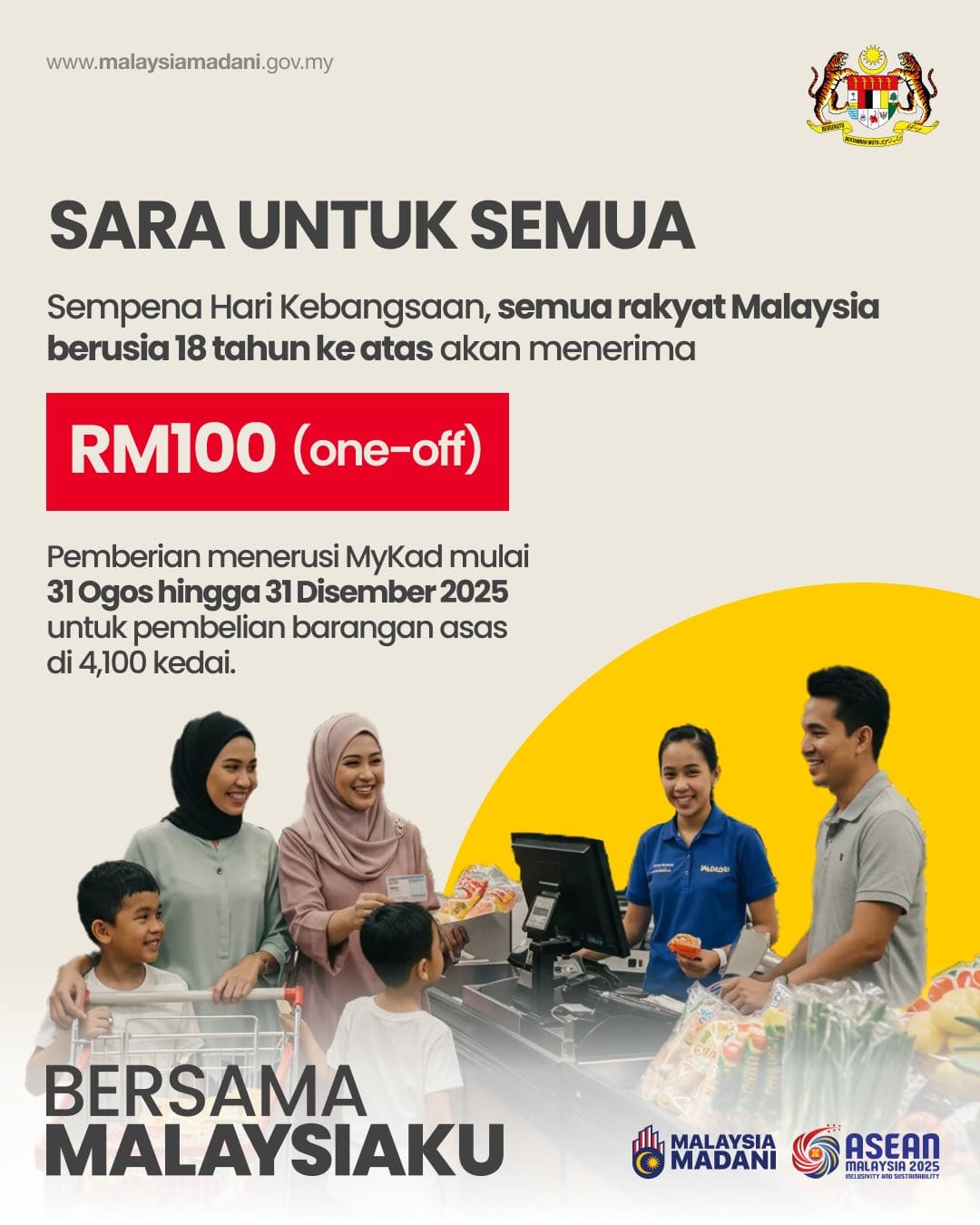
If you’re eligible for SARA (Sumbangan Asas Rahmah), you might have RM100 sitting unused on your MyKad right now. The catch? It expires on 31st December 2025. If you don’t use it by then, it’s gone.
The credit is specifically for essential items like groceries, so it makes sense to use it for the heavy staples: rice, cooking oil, flour, and sugar.
The one-off RM100 SARA credit was announced by Prime Minister Anwar Ibrahim in July 2025 for all Malaysians aged 18 and above. It was credited on 31st August 2025 and can be used until 31st December 2025 to purchase essentials at over 4,100 outlets nationwide. Any unused balance after this date will be withdrawn.
To check if you still have SARA credit available, visit the MyKasih portal and log in with your details. If you’re registered and haven’t used your allocation yet, the balance will show there. You can also download the MyKasih app from Google Play Store or Apple App Store to check your balance and find participating merchants near you.
Where You Can Spend SARA credit:
Mydin
99 Speedmart
Lotus’s
Giant
Econsave
TF Value Mart
HeroMarket
Pacific
The Store
And over 4,100 participating outlets
Use your SARA credit for the bulk items that don’t spoil quickly, then use your actual cash for fresh produce, meat, and fish. This way, you’re getting the most from government support while keeping flexibility where you need it most.
Stack Your Payments
Most of us pay for groceries without thinking much about it. But the right credit card paired with store loyalty programmes can earn you cashback on spending you’d do anyway. It’s not essential, but for those who qualify for credit cards, it’s worth considering.
Here are the three best credit cards for grocery cashback in late 2025:
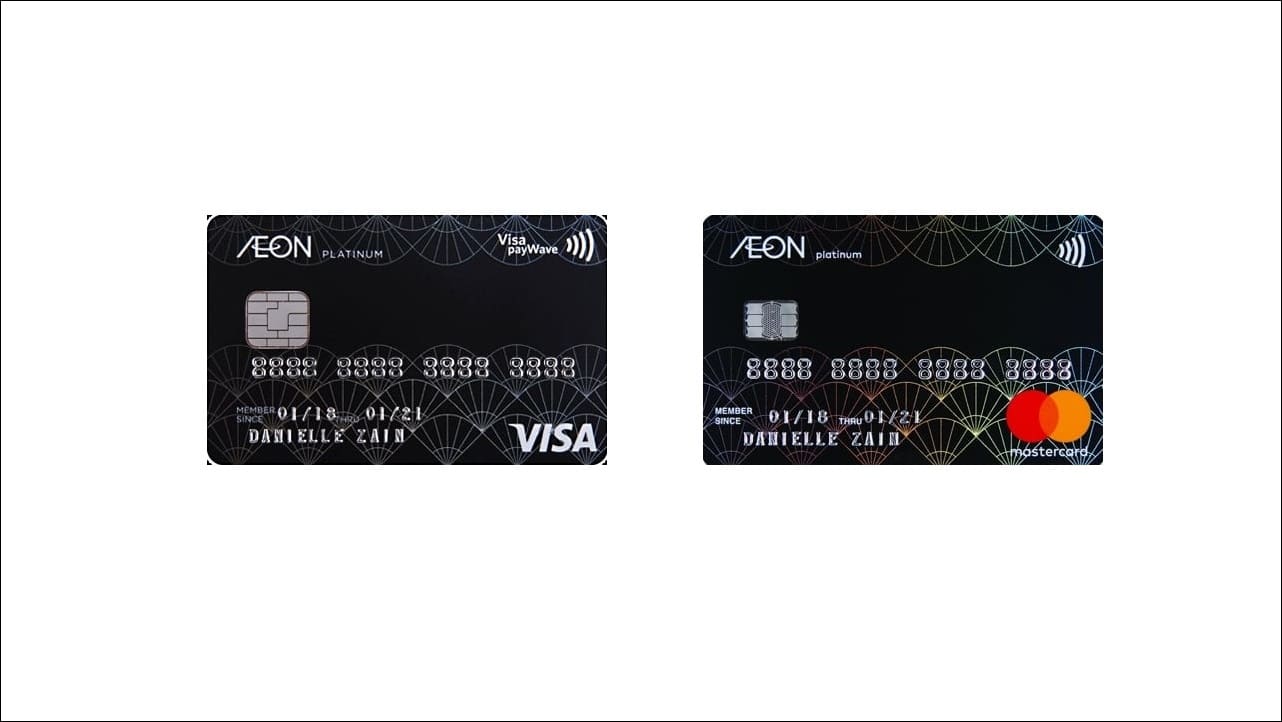
For AEON Shoppers: AEON Platinum Visa/Mastercard
If you do most of your grocery shopping at AEON or AEON BiG, the AEON Platinum Card is unbeatable. The key is timing: shop on the 20th or 28th of the month during AEON Thank You Days, and you’ll get 10% cashback on your entire purchase, capped at RM100 per month.
That’s effectively a 10% discount on your groceries twice a month. A RM200 shop on the 20th gets you RM20 back. Do another RM200 shop on the 28th, and you’ve earned RM40 for the month. Over a year, that’s RM480 in savings just from shopping on the right days.
The card has no annual fee for the first year, and subsequent years are RM200. The annual fee is waived if you spend RM18,000 annually, which most regular users easily hit. That works out to RM1,500 per month in spending across all categories.
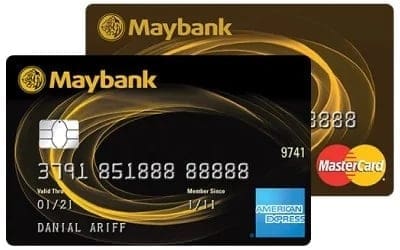
For Weekend Shoppers: Maybank 2 Gold Cards
The Maybank AMEX Gold card included in the pair works best if you do big weekend shops. The card gives you 5% cashback on all local retail spending on weekends, with no minimum spend required. The cashback is capped at RM50 per month.
To max out the RM50 cap, you’d need to spend RM1,000 on retail purchases in weekend shops each month. For most families doing RM200 to RM300 weekly shops, you’d be earning RM20 to RM30 back per month, or RM240 to RM360 per year.
Both cards (the Maybank 2 Gold Mastercard or Visa, plus the Maybank 2 Gold American Express) are free for life, so there’s zero cost to hold them. You just need to remember to use the Amex card specifically for weekend retail spending. Amex is accepted at major chains like AEON, Jaya Grocer, Village Grocer, and Cold Storage, though smaller supermarkets may only take Visa or Mastercard. The minimum income requirement is RM30,000 annually for Malaysians.
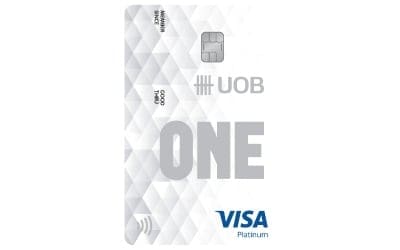
For High Spenders: UOB ONE Platinum Card
The UOB ONE card makes sense if you’re consolidating all your spending onto one card: petrol, Grab rides, and groceries. You need to hit a minimum monthly spend of RM1,500 in retail purchases to unlock the 10% cashback on eligible categories.
The 10% cashback applies at selected grocers, which include major chains like Lotus’s, Giant, Jaya Grocer, and AEON BiG. Each category is capped at RM15 per month, so you’d earn RM15 back on RM150 worth of grocery spending each month, which works out to RM180 per year on groceries alone.
Annual fee is RM195 for the principal card (RM100 for supplementary). Starting 1st January 2026, spend a minimum of RM20,000 per annum and enjoy the card without paying the annual fee. If you’re earning the maximum cashback across multiple categories (petrol, groceries, dining, Grab), the card more than pays for itself.
Make It A Habit
The biggest savings come from making these strategies automatic. Pick three brands to swap this weekend. Check your MyKad balance if you’re eligible for SARA. Apply for the credit card that matches your shopping pattern.
None of these steps requires dramatic lifestyle changes. You’re buying the same groceries, shopping at the same stores, just being more strategic about which brands you pick and how you pay. Your aunties and uncles at the pasar malam have been doing this for decades, comparing prices stall by stall. We’re just applying the same wisdom to hypermarket shopping, and it could save you over RM200 or more each month.
As a creative content writer, Eloise has covered finance, business, lifestyle topics, and even moonlights as a singer-songwriter outside of RinggitPlus. Her current interests are learning the best ways to optimise spending and credit card hacks to gain more airline miles.
00votes
Article Rating
SHARE
About THE AUTHOR
Eloise Lau
Eloise Lau
As a creative content writer, Eloise has covered finance, business, lifestyle topics, and even moonlights as a singer-songwriter outside of RinggitPlus. Her current interests are learning the best ways to optimise spending and credit card hacks to gain more airline miles.






Comments (1)
akak tak boleh la,, brand susu pantang akak tukar,, susu iz life!!!!!!!!