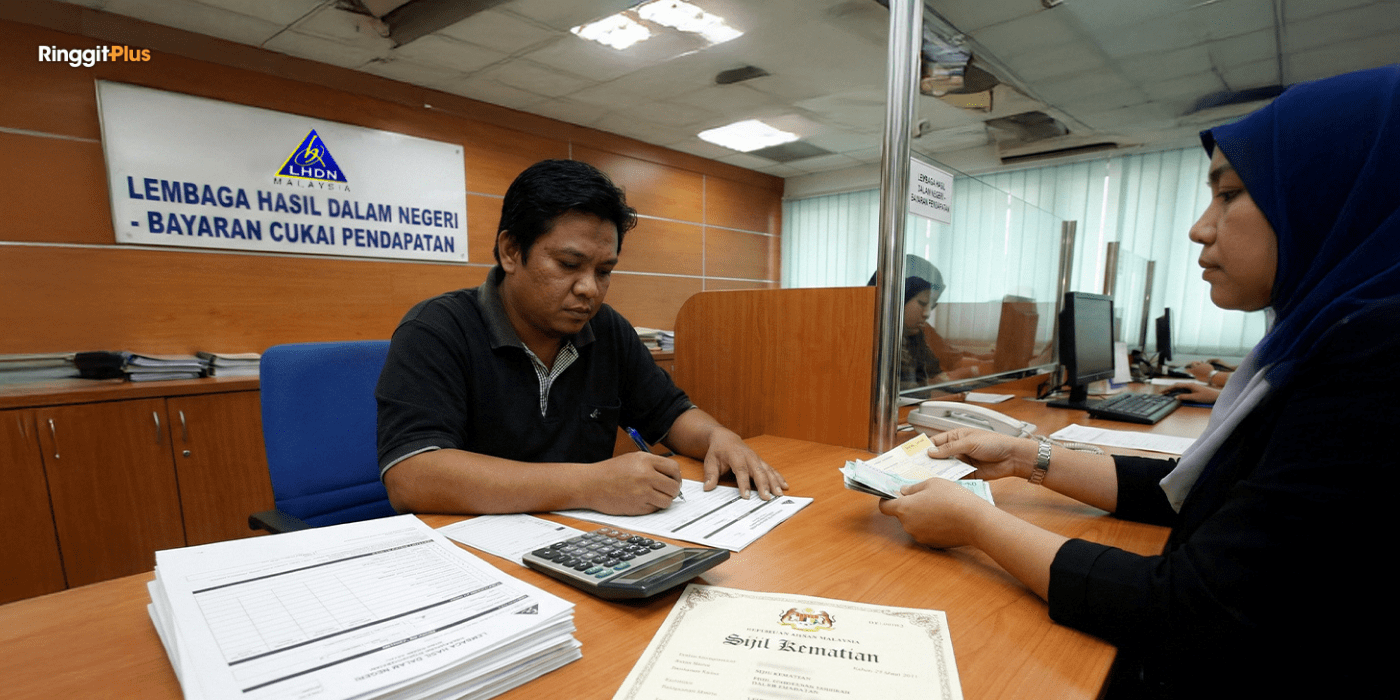
Outstanding income tax left by deceased Muslims must be paid using the deceased’s assets before any inheritance is distributed. This ruling was issued by the Muzakarah Committee of the National Council for Islamic Religious Affairs Malaysia, providing clearer guidance for families managing estates and inheritance matters.
MKI Confirms Tax Arrears Are A Debt
The ruling was made at the 122nd meeting of the MKI Muzakarah Committee following a syariah study and consultations with relevant stakeholders. According to the committee’s chairman, Datuk Dr Nooh Gadut, unpaid income tax is considered a debt and must be settled from the assets left behind by the deceased.
Payment responsibility does not fall on next-of-kin personally. Instead, settlement must come solely from the estate before any division of inheritance takes place.
Income Tax Does Not Lapse Upon Death
The issue first gained public attention in May 2023, when the Inland Revenue Board clarified that income tax liabilities do not automatically end upon a taxpayer’s death. Under Section 74 of the Income Tax Act 1967, outstanding tax cannot be waived simply because the taxpayer has passed away.
The law is already in force and applies to all taxpayers, regardless of religion. This means estate administrators or legal representatives may still be contacted to resolve unpaid amounts.
LHDN Recovery Process For Deceased Taxpayers
Former Inland Revenue Board chief executive officer Datuk Dr Mohd Nizom Sairi previously explained that official notices would be issued to estate administrators or lawful representatives to recover unpaid tax.
If the deceased left behind assets, LHDN may trace the appointed administrator to settle the arrears. Tax liabilities may only be written off after all recovery procedures have been completed and a prescribed period has passed.
Differing Religious Views Prompted Review
Before the MKI ruling, opinions among state muftis were divided. Some viewed unpaid income tax as a debt that should be settled before inheritance distribution under faraid. Others argued that taxation is a civil obligation rather than a syariah-mandated one.
Former Penang mufti Datuk Seri Dr Wan Salim Wan Mohd Noor supported settling tax arrears, citing Islamic teachings that emphasise the importance of clearing debts. Former Negeri Sembilan mufti Datuk Mohd Yusof Ahmad similarly held that debts owed to government agencies should be paid before inheritance is divided.
In contrast, former Pahang mufti Datuk Seri Dr Abdul Rahman Osman had previously taken the view that income tax is not a religious obligation like zakat and therefore should not be treated the same way under syariah.
Final Ruling Provides Clear Direction
Following these differing views, the MKI Muzakarah Committee conducted a detailed syariah review and stakeholder consultations. In October 2023, the committee concluded that outstanding income tax owed by deceased Muslims must be settled from the estate, in line with general Islamic principles on debt repayment.
For families managing inheritance, this ruling offers clearer direction. Outstanding tax liabilities must be addressed early in the estate administration process to avoid delays and ensure inheritance distribution complies with both civil law and religious guidance.
Follow us on our official WhatsApp channel for the latest money tips and updates.
Samuel writes about personal finance and financial news, focusing on how banking updates, policies, and promotions affect everyday money decisions. He enjoys making complicated financial topics easier to follow. Outside of writing, he spends his time watching TV shows and occasionally convincing himself he will only watch one episode.
00votes
Article Rating
SHARE
About THE AUTHOR
Samuel Chua
Samuel Chua
Samuel writes about personal finance and financial news, focusing on how banking updates, policies, and promotions affect everyday money decisions. He enjoys making complicated financial topics easier to follow. Outside of writing, he spends his time watching TV shows and occasionally convincing himself he will only watch one episode.







Comments (0)