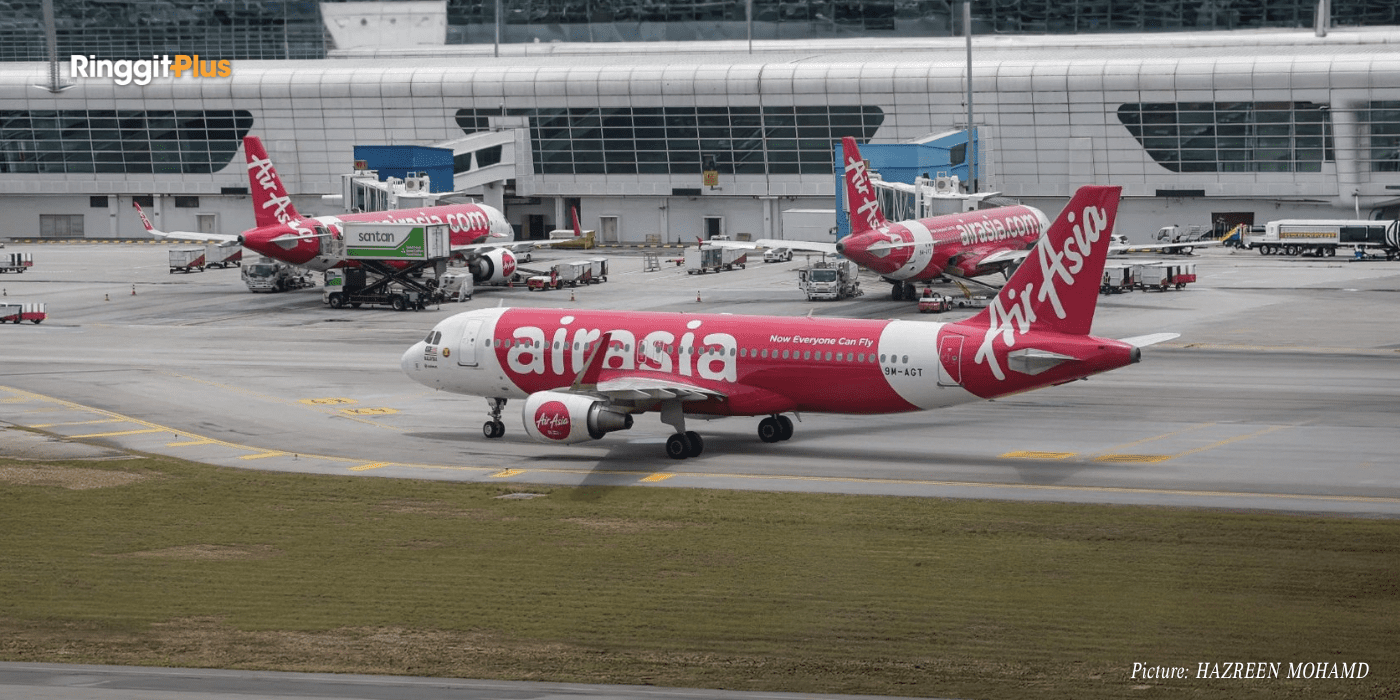
AirAsia expects fares to rise slightly as fuel costs increase, although it says its prices will still remain below those of many other airlines.
Capital A chief executive officer Tony Fernandes said higher fuel prices, linked to conflict in West Asia, are pushing up costs across the aviation industry and making fare increases harder to avoid, even for budget carriers. He said AirAsia will raise fares by less than other airlines while continuing to operate as a low cost carrier.
For travellers, the change may appear less as a sharp jump in ticket prices and more as fewer chances to secure the lowest fares, especially during weekends, school holidays, and other busy travel periods.
Flights Are Still Operating As Demand Holds Up
AirAsia does not expect to cancel flights at this stage, with demand remaining strong across its network.
Strong demand gives airlines more room to keep flights running as fuel and operating costs rise, because fuller planes make it easier to spread those costs across more passengers. The immediate effect is therefore more likely to show up in ticket prices than in route cuts or cancellations.
Fernandes also said reduced capacity from Gulf carriers such as Emirates, Etihad Airways, and Qatar Airways has eased some pressure in the market. He estimated seat capacity from the region has fallen by around 15 to 20%, creating more room for airlines in ASEAN to capture demand on regional routes.
More Than Fuel Is Pushing Prices Up
Fuel is one of the biggest costs for any airline, but it is not the only one feeding into ticket prices.
Fernandes said airlines should not be expected to absorb the full burden on their own, pointing to fuel suppliers, airports, and other parts of the aviation supply chain. When several costs rise at the same time, keeping fares unchanged becomes harder, even for an airline trying to hold onto its budget positioning.
A fare increase therefore does not reflect fuel prices alone. The cost of operating a flight also depends on airport charges, maintenance, ground services, and other support costs that passengers do not usually see when searching for a ticket.
Lower Fare Tiers May Disappear Earlier
Small fare increases do not always mean every ticket suddenly becomes expensive. In many cases, the shift is felt through availability rather than through a dramatic jump in price.
Seats at the lowest fare tiers may now sell out earlier in the booking cycle, particularly on frequently travelled routes and during peak periods. A fare that might once have been available a few weeks before departure may now disappear much sooner, leaving later bookers with fewer low cost options on the same route.
This can affect more than holiday spending. Students travelling between home and campus, families planning short breaks, and workers booking domestic or regional trips may find the final cost of flying rises more quickly once baggage, seat selection, meals, and airport transport are added to the base fare.
Cheapest Seats Are Selling Out Earlier
AirAsia says it will keep its low cost model in place, but rising fuel and operating costs are reducing how much it can absorb without adjusting fares.
Lower fares are still likely to remain part of the airline’s pricing structure, although they may be available for shorter periods and on a smaller share of seats than before. Travellers searching closer to departure may still find flights, but often at higher fare bands, even on similar routes and travel dates.
For passengers, the trade-off is becoming clearer. Low cost travel is still available, but finding the cheapest seats may depend more heavily on booking earlier, choosing less popular travel times, and having some flexibility.
Follow us on our official WhatsApp channel for the latest money tips and updates.
Samuel writes about personal finance and financial news, focusing on how banking updates, policies, and promotions affect everyday money decisions. He enjoys making complicated financial topics easier to follow. Outside of writing, he spends his time watching TV shows and occasionally convincing himself he will only watch one episode.
00votes
Article Rating
SHARE
About THE AUTHOR
Samuel Chua
Samuel Chua
Samuel writes about personal finance and financial news, focusing on how banking updates, policies, and promotions affect everyday money decisions. He enjoys making complicated financial topics easier to follow. Outside of writing, he spends his time watching TV shows and occasionally convincing himself he will only watch one episode.
We provide weekly updates on every Friday at 5pm on the prices of RON95, RON97 and Diesel in Malaysia and a chart that shows the movement of fuel prices across a 6-week period. Bookmark this page now!







Comments (0)