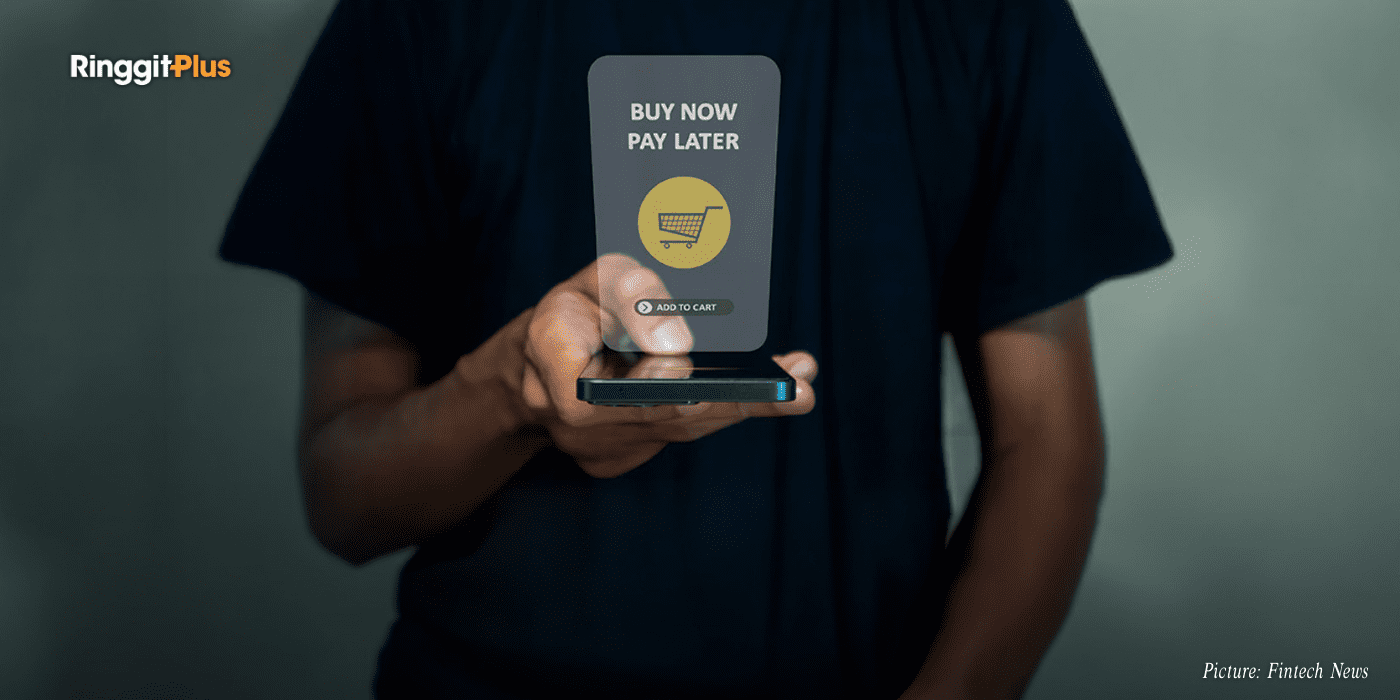
Splitting purchases into instalments can make a tight month feel easier to manage. But the growing reliance on buy now, pay later services among younger Malaysians is starting to raise concern among policymakers, particularly when the credit is used for everyday spending.
Malaysians aged 30 and below account for about 40% of buy now, pay later (BNPL) transactions, Deputy Finance Minister Liew Chin Tong said. While BNPL still represents only a small share of total household debt, its rapid adoption among younger consumers reflects deeper financial pressures.
Liew noted that BNPL is increasingly being used for daily necessities rather than occasional purchases. That pattern suggests that income growth may not always be keeping pace with living costs, pushing some consumers to rely on short term credit to manage monthly expenses.
Risks From Unregulated Credit Providers
According to Liew, the concern is not only how frequently BNPL is used but also where these credit products sit within Malaysia’s financial system.
Many BNPL providers, debt collection companies and other credit operators previously operated outside existing financial laws. This creates risks for borrowers, including unfair contract terms, hidden fees or aggressive debt collection practices.
At the same time, oversight of the credit industry has historically been spread across multiple ministries and agencies, each operating under its own mandate and standards. Liew said this fragmented structure increases the risk of inconsistent enforcement and leaves room for irresponsible behaviour in parts of the credit market.
Consumer Credit Act 2025 Introduces A Unified Framework
To address these gaps, the government introduced the Consumer Credit Act 2025 (CCA). The law was passed by Parliament in 2025, gazetted on 31 December 2025, and took effect on 1 March 2026.
A key component of the Act is the establishment of the Consumer Credit Commission, known as Suruhanjaya Kredit Pengguna (SKP). The commission will regulate several sectors that previously lacked consistent oversight, including BNPL providers, leasing and factoring companies, debt collection agencies, impaired loan buyers, as well as debt counselling and debt management agencies.
The Act also establishes an advisory committee to improve coordination between ministries and agencies involved in supervising consumer credit.
Licensing for credit providers and registration for credit service providers will begin on 1 June 2026, with a six month transition period to support implementation. The SKP has already begun operations and is currently focusing on issuing the standards needed for authorisation and conduct regulation.
Reforms Aim To Improve Transparency In Credit
The Consumer Credit Act forms part of efforts to modernise Malaysia’s consumer credit framework.
Recent amendments to the Hire-Purchase Act 2025 removed outdated interest calculation methods and replaced them with more transparent approaches for hire purchase financing. Together, these reforms aim to create more consistent standards across the credit industry while ensuring fairer outcomes for borrowers and a more level playing field for financial service providers.
Credit Data Plays A Role In Preventing Over-Indebtedness
Liew also highlighted the role of credit reporting agencies (CRAs) in strengthening Malaysia’s credit system.
These agencies compile credit data and insights that help lenders assess borrowers more accurately, while also allowing consumers to better understand and manage their own financial standing.
While the Central Credit Reference Information System (CCRIS) remains the main source of banking related credit information, CRAs can help expand visibility into borrowing that takes place outside the traditional banking system. Including non bank credit data could help reduce information gaps and prevent borrowers from accumulating excessive debt across multiple lenders.
Alongside regulatory reforms, authorities are also focusing on improving financial literacy.
The Financial Education Network (FEN), a multi-agency platform led by Bank Negara Malaysia and the Securities Commission Malaysia together with several government institutions, coordinates nationwide financial education initiatives.
Under the National Strategy for Financial Literacy 2026 to 2030, responsible debt management and digital financial behaviour are key priorities. The strategy places particular focus on younger consumers, who are more likely to encounter digital credit products such as BNPL when shopping online or using e-commerce platforms.
The initiative aims to help Malaysians better understand borrowing risks, manage instalment commitments and build stronger financial resilience over time.
What Changes For Consumers
For consumers, BNPL services will continue to be available through shopping platforms and digital payment apps.
What changes is the level of oversight behind them. As the Consumer Credit Act is implemented, BNPL providers and other non bank credit companies will gradually move under a more consistent regulatory framework overseen by the Consumer Credit Commission.
The goal is to ensure that as digital credit becomes more common, it operates within clearer rules that reduce risks for borrowers while maintaining access to convenient payment options.
Follow us on our official WhatsApp channel for the latest money tips and updates.
Samuel writes about personal finance and financial news, focusing on how banking updates, policies, and promotions affect everyday money decisions. He enjoys making complicated financial topics easier to follow. Outside of writing, he spends his time watching TV shows and occasionally convincing himself he will only watch one episode.
00votes
Article Rating
SHARE
About THE AUTHOR
Samuel Chua
Samuel Chua
Samuel writes about personal finance and financial news, focusing on how banking updates, policies, and promotions affect everyday money decisions. He enjoys making complicated financial topics easier to follow. Outside of writing, he spends his time watching TV shows and occasionally convincing himself he will only watch one episode.
We provide weekly updates on every Friday at 5pm on the prices of RON95, RON97 and Diesel in Malaysia and a chart that shows the movement of fuel prices across a 6-week period. Bookmark this page now!








Comments (0)