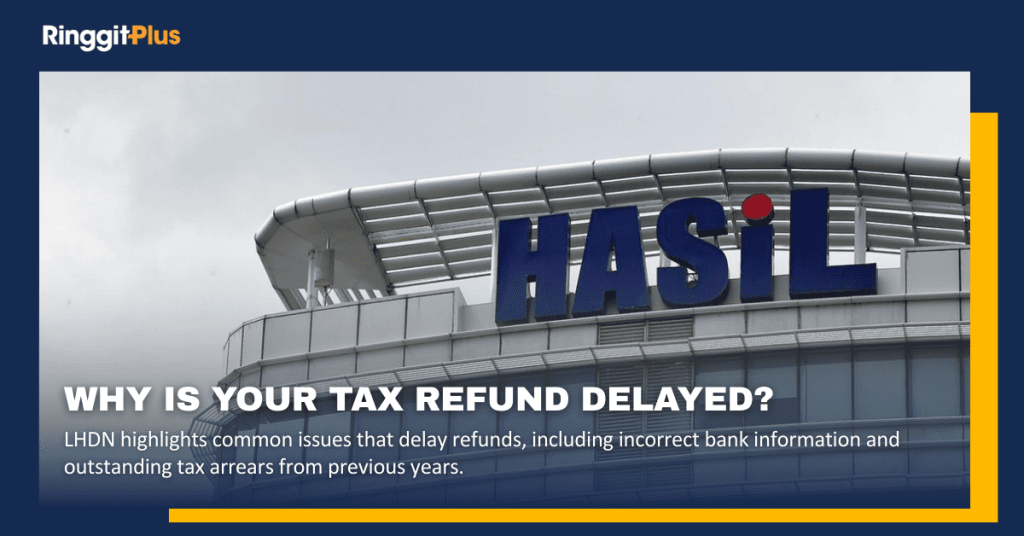
Taxpayers in Malaysia are reminded to declare their income accurately through e-Filing on the MyTax Portal or by submitting manual forms at the Inland Revenue Board of Malaysia (LHDN) office. Doing so helps ensure any overpaid taxes are refunded promptly.
According to LHDN Revenue Collection Department principal assistant director, Masnudiah Abdullah, accurate declarations are crucial for refunds to be processed within the period stated in the Board’s Client Charter, which is 30 working days from the date of e-Filing submission.
She emphasised that tax refunds are not incentives or bonuses from LHDN, but a legal right for taxpayers who have fulfilled their obligations under the tax laws.
How Tax Refunds Work
A tax refund occurs when the tax amount paid or deducted exceeds the actual amount owed. This can happen when monthly tax deductions (PCB) are higher than the final tax payable, tax relief claims are approved, or actual business income is lower than the estimates declared in CP500 or CP204 forms.
The refund process begins once the taxpayer submits the Income Tax Return Form (BNCP), either manually or via e-Filing. The system automatically calculates the final tax position and informs the taxpayer if they qualify for a refund.
What Delays Tax Refunds
Refunds may be delayed if the bank account information provided is incomplete, invalid, or inactive. Other common issues include having outstanding tax arrears from previous years or using a bank account not registered under the taxpayer’s name, which requires additional verification.
Masnudiah noted that any tax arrears will be deducted from the refund amount before payment is made. For example, if a taxpayer qualifies for a 2024 refund but has unpaid taxes from 2023, the arrears will be settled first.
How Tax Refunds Are Paid
Most refunds are processed via electronic funds transfer to the taxpayer’s bank account, or through DuitNow linked to the taxpayer’s identity card or passport number with a valid bank account. In certain cases, refunds may be issued via cheque and posted to the taxpayer’s registered mailing address.
For deceased taxpayers, refunds may be claimed by heirs, executors, or estate administrators. Claimants must submit a certified copy of the letters of administration, verified by a Commissioner for Oaths, Magistrate, or Category A government officer. This ensures that refunds are paid to the rightful recipients in accordance with the law.
Staying Updated on Your Tax Refund Status
Taxpayers are encouraged to check their refund status regularly via the MyTax Portal, update their bank account details using the e-Kemaskini service, and review any outstanding amounts on the e-Lejar.
For more details, visit the official LHDN website, call the HASiL Care Line at 03-8311 1000, use the Live Chat service, or visit the LHDN office that manages your tax file.
Follow us on our official WhatsApp channel for the latest money tips and updates.
Samuel writes about personal finance and financial news, focusing on how banking updates, policies, and promotions affect everyday money decisions. He enjoys making complicated financial topics easier to follow. Outside of writing, he spends his time watching TV shows and occasionally convincing himself he will only watch one episode.
Samuel writes about personal finance and financial news, focusing on how banking updates, policies, and promotions affect everyday money decisions. He enjoys making complicated financial topics easier to follow. Outside of writing, he spends his time watching TV shows and occasionally convincing himself he will only watch one episode.








Comments (0)