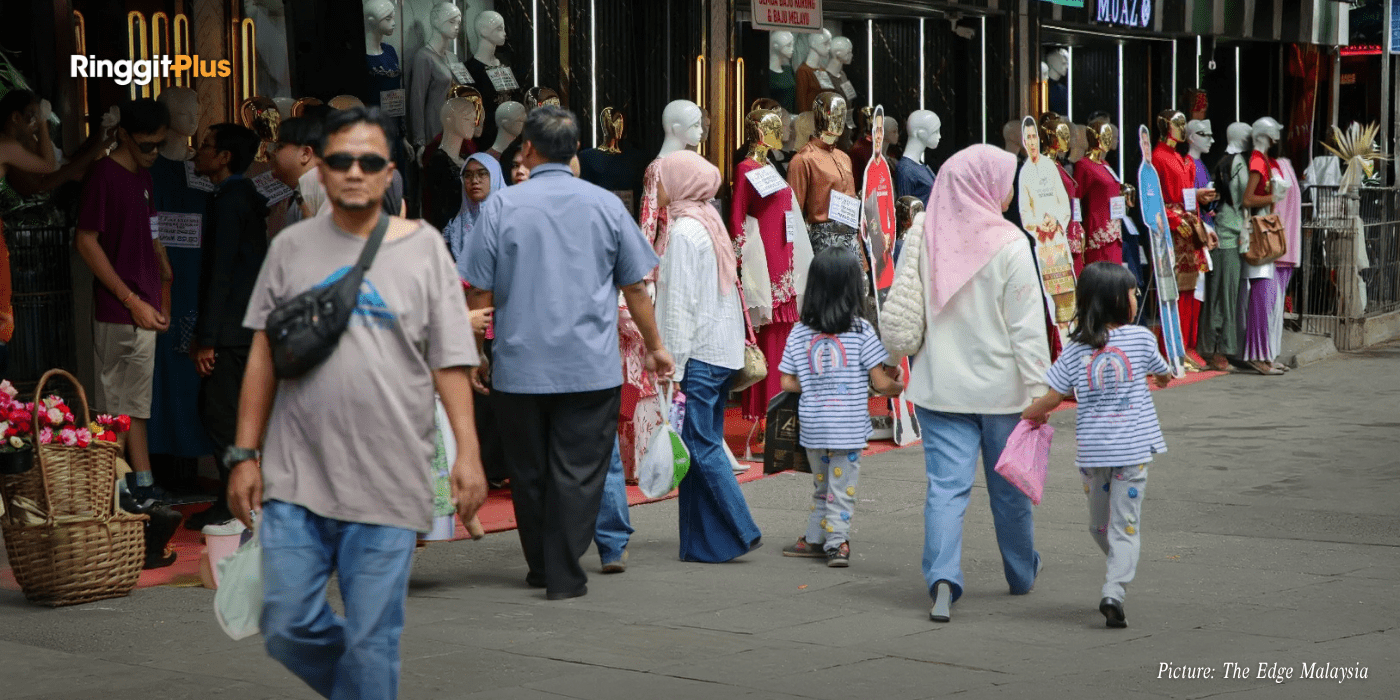
Daily spending in Malaysia continued to rise in February 2026, but at a slightly slower pace than the month before, with inflation coming in at 1.4% compared to 1.5% in January. Prices are still higher than they were a year ago, although the rate of increase has eased.
For most households, this means everyday expenses are still creeping up, especially in areas like food, housing, and eating out, but the pressure did not intensify as much as it had in previous months.
Food Costs Rose More Slowly
Food and beverages, which make up a large portion of household spending, rose 1.3% in February, easing from 1.5% in January.
Grocery costs saw a smaller increase, with food at home rising just 0.3%, while eating out remained more expensive, with prices up 2.4%, although this was slightly lower than the previous month. Some items helped offset the pressure, particularly vegetables, which became cheaper, while meat prices continued to rise, including chicken, a common staple in many Malaysian households.
In day to day terms, households that cook more meals at home may notice some relief, especially if they rely more on vegetables, while those who frequently buy chicken or eat out may still find their food budget stretched.
Eating Out Continued To Outpace Home Cooking
Spending on restaurants and accommodation rose 2.5% in February, remaining higher than overall inflation even though the pace of increase slowed from January.
Meals such as cooked dishes and local favourites still cost more than they did a year ago, which means regular takeaway meals or dining out can continue to add noticeable pressure to monthly spending. A slower increase does not mean lower prices, but rather that costs are still rising at a steadier pace.
Housing Costs Stayed Elevated
Housing, utilities, and related expenses rose 1.1% in February, with water services and rental costs continuing to push monthly bills higher.
Electricity costs showed an overall decline, but changes in rebates and tariffs affected households differently depending on usage and location. In Peninsular Malaysia, households using more than 600 kWh received a smaller rebate compared to January, while those using less were not affected. In Sabah and Labuan, a new electricity tariff took effect from 1 February 2026, increasing the base rate, which may lead to higher monthly bills depending on consumption.
As a result, utility costs remain something households need to monitor closely, since even small adjustments in rates or rebates can affect total monthly expenses.
Transport Costs Offered Some Relief
Transport was one of the few areas where prices declined, falling 0.7% compared to a year earlier, although fuel prices showed mixed movements depending on type and location.
RON97 prices remained relatively high, while diesel in Peninsular Malaysia increased slightly, and subsidised RON95 stayed at RM1.99 per litre, helping to keep costs stable for many drivers. This means transport may feel less burdensome overall, particularly for those using subsidised fuel, but expenses can still vary depending on individual usage patterns.
Inflation Varied Across States
The pace of price increases differed across the country, with some states experiencing higher inflation than the national average while others saw much slower growth.
States such as Pahang, Labuan, and Negeri Sembilan recorded higher inflation, while Kelantan saw much lower levels. Food prices also varied widely, rising faster in certain states while remaining stable or declining in others.
This means two households with similar spending habits may experience different levels of financial pressure simply based on where they live.
Price Increases Were Widespread But Moderate
Price increases were spread across many goods and services, with most items rising at a relatively modest pace rather than seeing sharp spikes in a few categories.
This tends to show up as steady pressure across everyday spending, such as groceries, meals, and basic services, rather than one sudden increase in a single expense.
Lower Income Households Faced Slightly Slower Inflation
Households earning below RM3,000 experienced inflation at 1.1% in February, slightly below the national average, although even smaller increases can still have a noticeable impact when budgets are tighter.
Essential expenses such as food, rent, and transport continue to take up a large share of income, so even gradual price increases can affect how far a monthly budget stretches.
Underlying Price Pressure Remained Firm
Core inflation, which excludes more volatile items such as fuel, stood at 2.3%, which is higher than the overall inflation rate and suggests that many everyday expenses are still rising at a steady pace beneath the surface.
This indicates that while headline inflation appears moderate, the underlying cost of living remains firm across common spending categories.
February Brought Mild Relief, Not Lower Prices
Prices continued to rise on a monthly basis in February, increasing by 0.2% after a smaller 0.1% rise in January, with housing, transport, and clothing contributing to the uptick while several other categories, including food and health, saw little change over the month.
Taken together, this points to a cost of living environment that is more stable than in previous years but still gradually becoming more expensive. For households, the pattern remains consistent, where cooking at home generally costs less than eating out, transport is relatively manageable for those using subsidised fuel, and location continues to shape how much inflation is felt in day to day spending.
Follow us on our official WhatsApp channel for the latest money tips and updates.
Samuel writes about personal finance and financial news, focusing on how banking updates, policies, and promotions affect everyday money decisions. He enjoys making complicated financial topics easier to follow. Outside of writing, he spends his time watching TV shows and occasionally convincing himself he will only watch one episode.
00votes
Article Rating
SHARE
About THE AUTHOR
Samuel Chua
Samuel Chua
Samuel writes about personal finance and financial news, focusing on how banking updates, policies, and promotions affect everyday money decisions. He enjoys making complicated financial topics easier to follow. Outside of writing, he spends his time watching TV shows and occasionally convincing himself he will only watch one episode.
We provide weekly updates on every Friday at 5pm on the prices of RON95, RON97 and Diesel in Malaysia and a chart that shows the movement of fuel prices across a 6-week period. Bookmark this page now!







Comments (0)