If you drive to work every day, a sudden jump in petrol prices can quickly eat into your monthly budget. When global oil prices spike, the first question most drivers ask is simple: will RON95 stay at RM1.99 per litre?
Prime Minister Datuk Seri Anwar Ibrahim has said the government will try to maintain the current subsidised RON95 price under the Budi Madani RON95 programme, despite rising global oil prices linked to escalating conflict in the Middle East and disruptions around the Strait of Hormuz.
Global Oil Prices Are Rising Again
Tensions in the Middle East have pushed global energy markets into a risk-off mode. Research firm Rystad Energy expects Brent crude oil prices to rise by as much as US$20 per barrel when markets reopen, as traders factor in supply disruption risks.
Oil prices directly affect how much Malaysia pays for imported fuel and refined petroleum products. When Brent crude rises sharply, the gap between the market price of petrol and Malaysia’s fixed subsidised pump price widens. That difference is covered by the government through fuel subsidies.
The larger the gap, the higher the subsidy bill.
What This Means For Your Petrol Bill Today
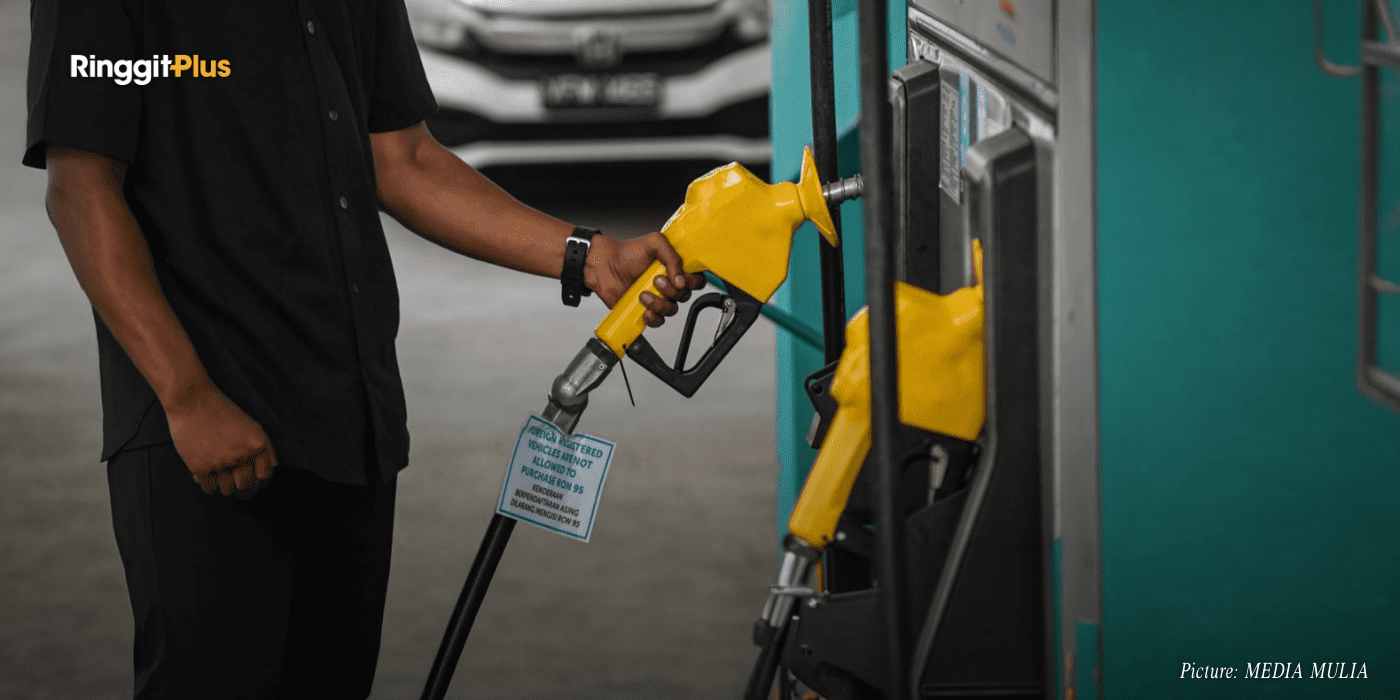
For now, nothing changes at the pump. RON95 remains at RM1.99 per litre.
At that price, filling a 40-litre tank costs about RM79.60. If the price were to increase by 20 sen per litre, that same full tank would cost RM87.60. Over a month, someone refuelling weekly could see their fuel spending rise by around RM32.
That is why the government’s decision to hold the price steady has immediate cash flow implications for working adults who rely on their cars for commuting, deliveries, or ride-hailing work.
However, the Prime Minister has been clear that global market forces are beyond Malaysia’s control. While the government will make a “maximum effort” to avoid raising prices, there is no guarantee the price will remain unchanged if global oil prices continue to climb.
The Real Pressure Is On The Subsidy Bill
Holding RON95 at RM1.99 does not remove the cost. It shifts the burden to the federal budget.
When oil prices surge, subsidy spending rises. That can increase fiscal pressure, especially if high prices persist. In practical terms, this does not immediately change your monthly expenses, but it may affect how much the government can spend elsewhere, or whether fuel subsidy reforms are accelerated.
Malaysia has already signalled plans to rationalise fuel subsidies in stages, with targeted mechanisms under the Budi Madani framework. If global oil prices remain elevated, the timeline and structure of those reforms could become more urgent.
For drivers, this means the risk of future adjustments does not disappear. It is delayed, depending on how long global prices stay high and how much fiscal space the government is willing to use.
The Ringgit And Cost Pressure
Economists have also warned that prolonged geopolitical tension could affect the ringgit and trade flows.
If the ringgit weakens while oil prices rise, the cost of imported fuel increases further because oil is priced in US dollars. This compounds the subsidy burden.
Beyond petrol, higher global oil prices can gradually feed into transport costs, logistics, and eventually consumer prices. The effect is not always immediate, especially when subsidies cushion fuel costs, but businesses facing higher operating expenses may pass some of those costs on over time.
For households, the impact would likely show up first in transport-heavy goods and services rather than in overnight price jumps across all categories.
What Changes Over The Next Few Years
In the short term, RON95 remains at RM1.99 per litre. Your weekly petrol bill stays the same unless the government announces a revision.
Over the next one to three years, however, two forces will shape what you pay at the pump. The first is global oil market volatility, which Malaysia cannot control. The second is domestic subsidy reform, which aims to better target assistance and reduce blanket subsidies.
If oil prices stabilise or fall, pressure eases and subsidy reform can proceed gradually. If prices remain elevated, the government faces a harder trade-off between protecting household fuel costs and managing fiscal sustainability.
For working adults planning their budgets, the realistic expectation is this: petrol will not jump overnight without notice, but the RM1.99 price is not permanently insulated from global shocks. It remains a policy choice that depends on fiscal capacity and market conditions.
For now, the pump price holds. What changes next will depend less on announcements and more on how long global oil tensions persist.
Follow us on our official WhatsApp channel for the latest money tips and updates.
Samuel writes about personal finance and financial news, focusing on how banking updates, policies, and promotions affect everyday money decisions. He enjoys making complicated financial topics easier to follow. Outside of writing, he spends his time watching TV shows and occasionally convincing himself he will only watch one episode.
00votes
Article Rating
SHARE
About THE AUTHOR
Samuel Chua
Samuel Chua
Samuel writes about personal finance and financial news, focusing on how banking updates, policies, and promotions affect everyday money decisions. He enjoys making complicated financial topics easier to follow. Outside of writing, he spends his time watching TV shows and occasionally convincing himself he will only watch one episode.
We provide weekly updates on every Friday at 5pm on the prices of RON95, RON97 and Diesel in Malaysia and a chart that shows the movement of fuel prices across a 6-week period. Bookmark this page now!







Comments (0)