Malaysia’s economy expanded by 4.4% in the first quarter of 2025, supported by resilient domestic demand, strong household spending, and robust investment activity, according to Bank Negara Malaysia (BNM).
The growth, while slightly down from 4.9% in Q4 2024, reflects continued economic momentum. BNM attributed the performance to sustained consumer spending bolstered by a stronger labour market, an upward revision in minimum wage, and improved civil servant salaries.
Investment activities also saw steady growth, fueled by the realisation of both new and ongoing projects. However, external performance was mixed: while electrical and electronics (E&E) exports and tourism improved, overall export growth was dragged down by declining mining exports.
On the supply side, services and manufacturing led growth, supported by public sector services and E&E production, respectively. However, normalisation in motor vehicle sales and lower oil and gas production weighed on overall growth.
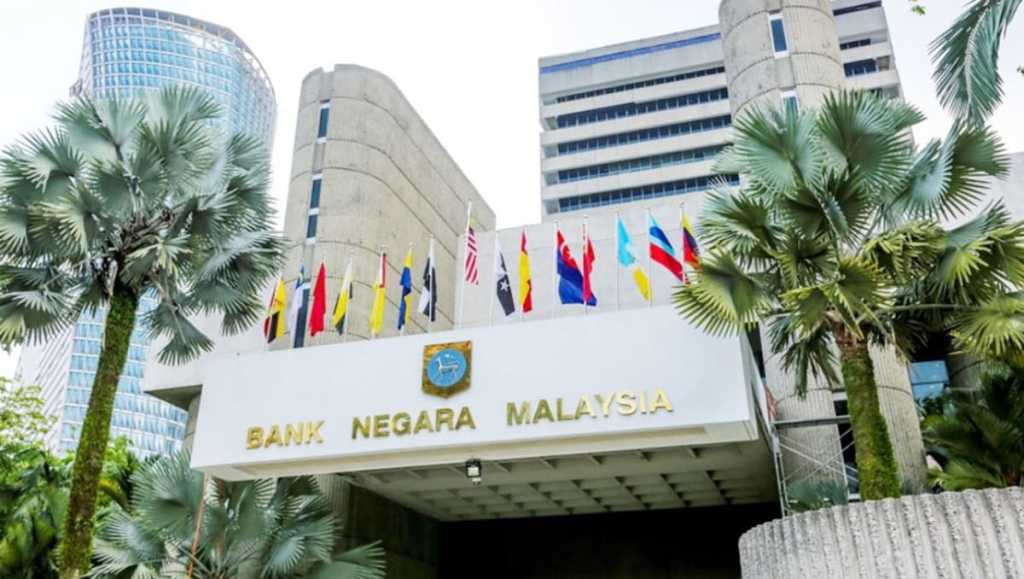
(Image: Malay Mail/Yusof Mat Isa)
Inflation moderated during the quarter, with headline inflation easing to 1.5% (Q4 2024: 1.8%), largely due to lower utility prices. Core inflation, however, edged up to 1.9%, driven mainly by rental cost increases.
The ringgit remained stable, appreciating 0.8% against the US dollar, buoyed by a weaker greenback amid growing global trade uncertainty. BNM noted that Malaysia’s solid macroeconomic fundamentals and ongoing reforms would continue to support the currency over the medium term.
Credit growth also strengthened, rising to 5.5% year-on-year, with notable increases in household and corporate financing, particularly in working capital loans and SME financing.
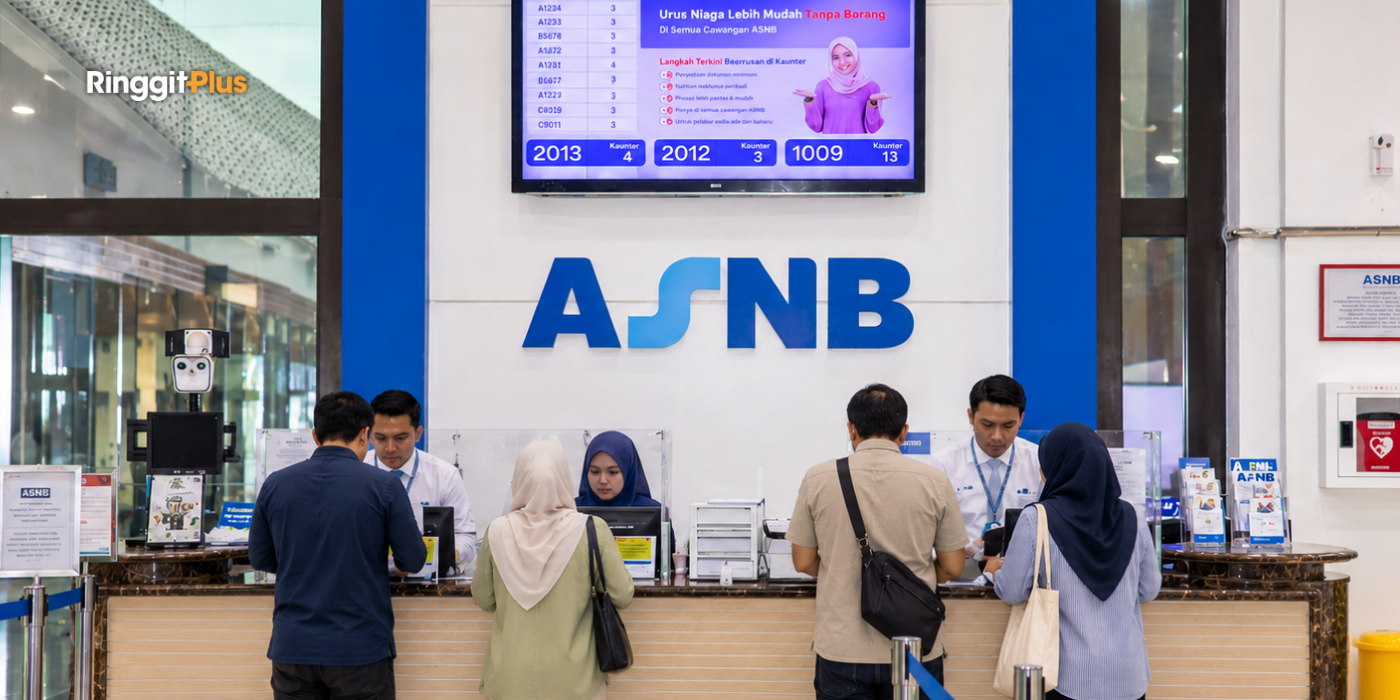
(Image: Bernama)
Looking ahead, BNM Governor Datuk Seri Abdul Rasheed Ghaffour warned that escalating global trade tensions and tariff uncertainties, particularly from the United States, could dampen Malaysia’s economic outlook. The central bank now expects 2025 growth to fall slightly below its earlier forecast of 4.5% to 5.5%, with a revised projection to be announced once external conditions become clearer.
Despite external headwinds, BNM remains optimistic that domestic demand will continue to be the key driver of growth, underpinned by structural reforms, ongoing investment projects, and the resilient performance of domestic-oriented sectors.
Headline inflation is expected to remain moderate between 2.0% and 3.5% for 2025, supported by easing global costs and manageable domestic pressures.
Samuel writes about personal finance and financial news, focusing on how banking updates, policies, and promotions affect everyday money decisions. He enjoys making complicated financial topics easier to follow. Outside of writing, he spends his time watching TV shows and occasionally convincing himself he will only watch one episode.
Samuel writes about personal finance and financial news, focusing on how banking updates, policies, and promotions affect everyday money decisions. He enjoys making complicated financial topics easier to follow. Outside of writing, he spends his time watching TV shows and occasionally convincing himself he will only watch one episode.






Comments (0)