Alex Cheong Pui Yin
Previously covered recruitment-related stories and had a short stint as a copywriter for the property industry. She subsequently developed an interest in investment and robo-advisors.

23rd September 2022 - 2 min read
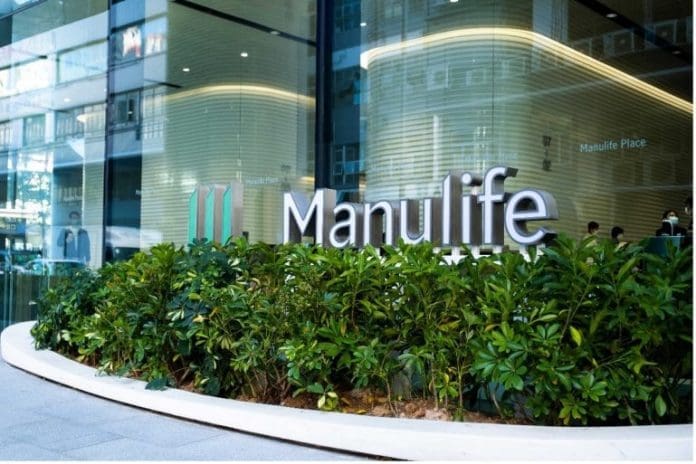
Manulife Investment Management has opined that Bank Negara Malaysia (BNM) should adopt a more “aggressive pace” in increasing the overnight policy rate (OPR).
Head of asset allocation (Asia) for Manulife, Luke Browne said that given Malaysia’s lower inflation rate – as compared to other countries in the region – aggressive interest rate hikes could work as the country moves forward. “Clearly, that has to be held in the context of the current situation, you need clarity of data, ensuring that it is the right decision and then move aggressively. So, yes, I sit in the camp of fast and hard,” he said.
Browne acknowledged, however, that not all experts will agree with his opinion. “Not all portfolio managers think the same. I would prefer to see aggressive, fast-paced, get it done, take the pain, and then move forward,” he stated.
At present, Malaysia’s OPR stands at 2.50%, following three consecutive hikes in 2022 thus far – with the latest raise made in September 2022. Both BNM and Finance Minister Tengku Datuk Seri Zafrul Abdul Aziz also previously said that the increase of Malaysia’s OPR will be carried out at a gradual pace as there are consequences to hiking it too aggressively.

Meanwhile, the head of macro strategy (Asia) for Manulife, Sue Trinh pointed out that there is less pressure on BNM to adopt an aggressive monetary policy due to the volatile market conditions in the country. The reopening of international borders also supported the country’s economic recovery, which led to less urgency for an aggressive policy.
Trinh further stressed that there is actually very little that BNM can do to address rising consumer prices as the bulk of the inflation is driven by the supply side. For context, Malaysia’s latest consumer price index (CPI) indicated that inflation has increased 4.7% year-on-year in August 2022, with the food and non-alcoholic beverage component being the main contributor.
Finally, Trinh said that Malaysia’s future economic growth may still be affected by several factors, including domestic political uncertainty – which threatens the implementation of fiscal policies. “Malaysia is also exposed to the potential of a global economic recession, considering the country is an exporter to the world’s major economies, such as the United States, China, and Europe,” she said.
(Source: The Edge Markets [1, 2])
Previously covered recruitment-related stories and had a short stint as a copywriter for the property industry. She subsequently developed an interest in investment and robo-advisors.







Comments (0)