Alex Cheong Pui Yin
Previously covered recruitment-related stories and had a short stint as a copywriter for the property industry. She subsequently developed an interest in investment and robo-advisors.

7th February 2022 - 3 min read
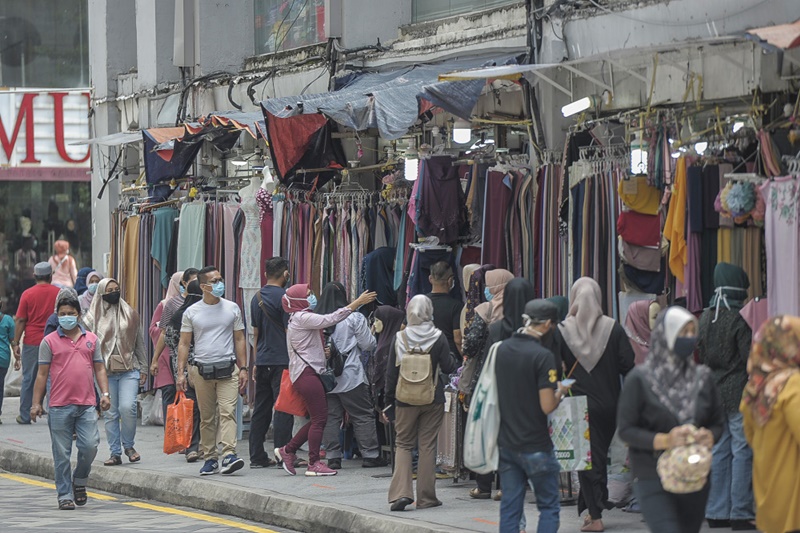
The Malaysian Employers Federation (MEF) has commented that increasing the minimum monthly wage to RM1,500 by the end of 2022 will cause many local businesses to go bankrupt. This is especially as most are still recovering from the setbacks caused by Covid-19 and the recent major floods.
MEF’s remark came following an earlier statement by the Human Resources Minister, Datuk Seri Saravanan Murugan, who said that a new minimum wage of “around RM1,500 a month” is expected to be implemented before the end of this year. The new rate is currently awaiting Cabinet approval, with various parties having called for the increase recently, including Senator Dr Yaakob Sapari.
According to the president of MEF, Datuk Dr Syed Hussain Syed Husman, the government should first direct its efforts towards business recovery and controlling the rising cost of products and services, instead of increasing the minimum wage.
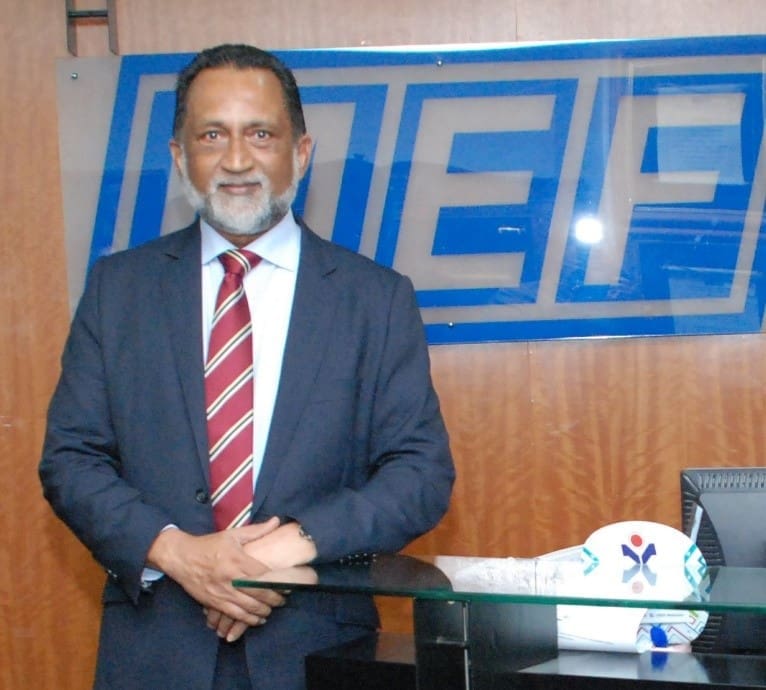
“We must remember that most Malaysian businesses are micro, small, and medium enterprises (SMEs and MSMEs), 98.9% are in this group. So, when we talk about wages and cost, we must think of their survival and sustainability. MSMEs are suffering, and even [with] a small increase in their cost, they will suffer and close down, what more an increase of RM300 or RM400 per month, on top of existing national minimum wages,” Datuk Syed Hussain said, adding that Malaysia will likely see a hike in its unemployment rate and business debts if the new minimum wage is implemented.
Aside from that, Datuk Syed Hussain also remarked that the increase will better benefit foreign labour because locals are already paid wages higher than RM1,500. As a result, these local employees may feel demotivated as their wages will not be adjusted. Meanwhile, outflow of money from Malaysia will only increase.
“It is estimated that foreign workers, on average, send back some additional RM4 billion each year for every RM100 increase in minimum wages. Thus, the increase of RM300 or RM400 will cause additional outflow of between RM12 billion to RM14 billion per year,” Datuk Syed Hussain shared, adding that that this does not include remittances through unofficial channels.

Finally, the MEF president offered several suggestions that he believes will improve the situation. He said that the government should provide automation incentives to ensure that the job market will not be affected by the implementation of future minimum wage rates. Additionally, jobs that are perceived as dirty, dangerous, and difficult (3D jobs) need to be rebranded so that more locals will be inclined to take up these jobs, instead of pushing them off to foreign workers.
Datuk Syed Hussain further proposed for wages to be provided based on an employee’s certified qualifications. “Currently, employees are not keen to seek for skill certification as such certification is not linked to the wages, and those at the lower end of the spectrum are generally paid the minimum wages. Differentiation in wages between local workers and foreign workers should be based on certified skills. With certified skills and higher wages, locals would be attracted to perform the rebranded 3D jobs,” he said, adding that this method is commonly adopted in developed countries, such as the UK and Japan.
Malaysia’s current minimum wage stands at RM1,200 per month, and the last adjustment (from RM1,100 to RM1,200 per month) was made back in February 2020.
(Sources: The Edge Markets)
Previously covered recruitment-related stories and had a short stint as a copywriter for the property industry. She subsequently developed an interest in investment and robo-advisors.





Comments (0)